John Cline – författare
Visar alla böcker från författaren John Cline. Handla med fri frakt och snabb leverans.
6 produkter
6 produkter
Inbunden, Engelska, 2010
1 177 kr
Skickas inom 10-15 vardagar
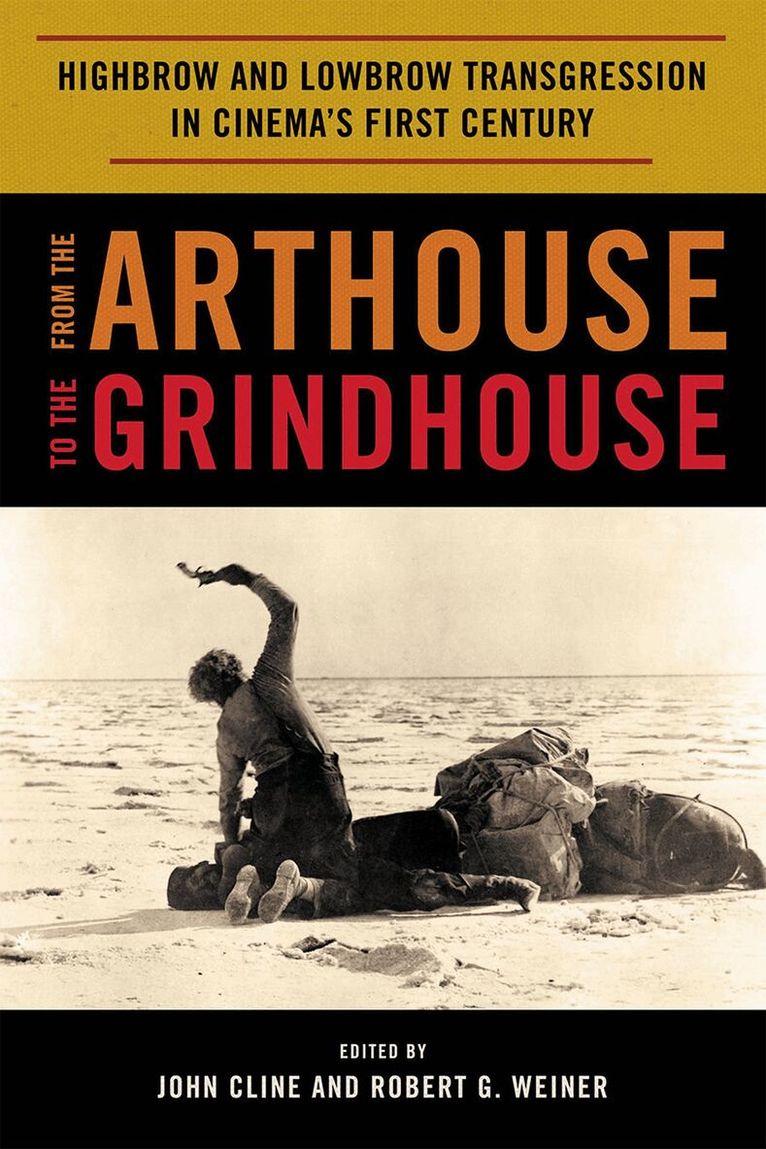
While there are numerous books on art and exploitation cinema, very few attempt to examine both. Covering the first 100 years of cinematic transgressions, From the Arthouse to the Grindhouse is a collection of numerous essays representing key contributions to overlooked, forgotten, or under-analyzed parts of film history. From cult favorites like Arch Hall Jr. to revered but under-documented marquee names like Lon Chaney, filmmakers both major and minor are covered here. Starting with a section that pairs exploitation pioneers like Dwain Esper alongside cutting edge auteurs like Erich Von Stroheim, the volume documents the bleeding edge of the high/low cultural divide. Other essays examine the sexual melodramas of Weimer German cinema, explore the concept of Borat as a model for the new standardized cult film, and discuss the films of directors Tod Browning, Pier Pasolini, and Peter Watkins. This volume also contains a section devoted to the idea of "reality" inside and outside the documentary sphere, emphasizing audiences' desire to believe that "this is really happening," whether they're horrified or titillated. Addressing many aspects of "transgression" in cinema, these essays suggest that the distance between the venues and the audiences may not be quite as wide as viewers might imagine.
E-bok
Engelska, 20101 240 kr
Läs direkt efter köp
While there are numerous books on art and exploitation cinema, very few attempt to examine both. Covering the first 100 years of cinematic transgressions, From the Arthouse to the Grindhouse is a collection of numerous essays representing key contributions to overlooked, forgotten, or under-analyzed parts of film history. From cult favorites like Arch Hall Jr. to revered but under-documented marquee names like Lon Chaney, filmmakers both major and minor are covered here. Starting with a section that pairs exploitation pioneers like Dwain Esper alongside cutting edge auteurs like Erich Von Stroheim, the volume documents the bleeding edge of the high/low cultural divide. Other essays examine the sexual melodramas of Weimer German cinema, explore the concept of Borat as a model for the new standardized cult film, and discuss the films of directors Tod Browning, Pier Pasolini, and Peter Watkins. This volume also contains a section devoted to the idea of "reality" inside and outside the documentary sphere, emphasizing audiences'' desire to believe that "this is really happening," whether they''re horrified or titillated. Addressing many aspects of "transgression" in cinema, these essays suggest that the distance between the venues and the audiences may not be quite as wide as viewers might imagine.
Inbunden, Engelska, 2010
1 177 kr
Skickas inom 10-15 vardagar
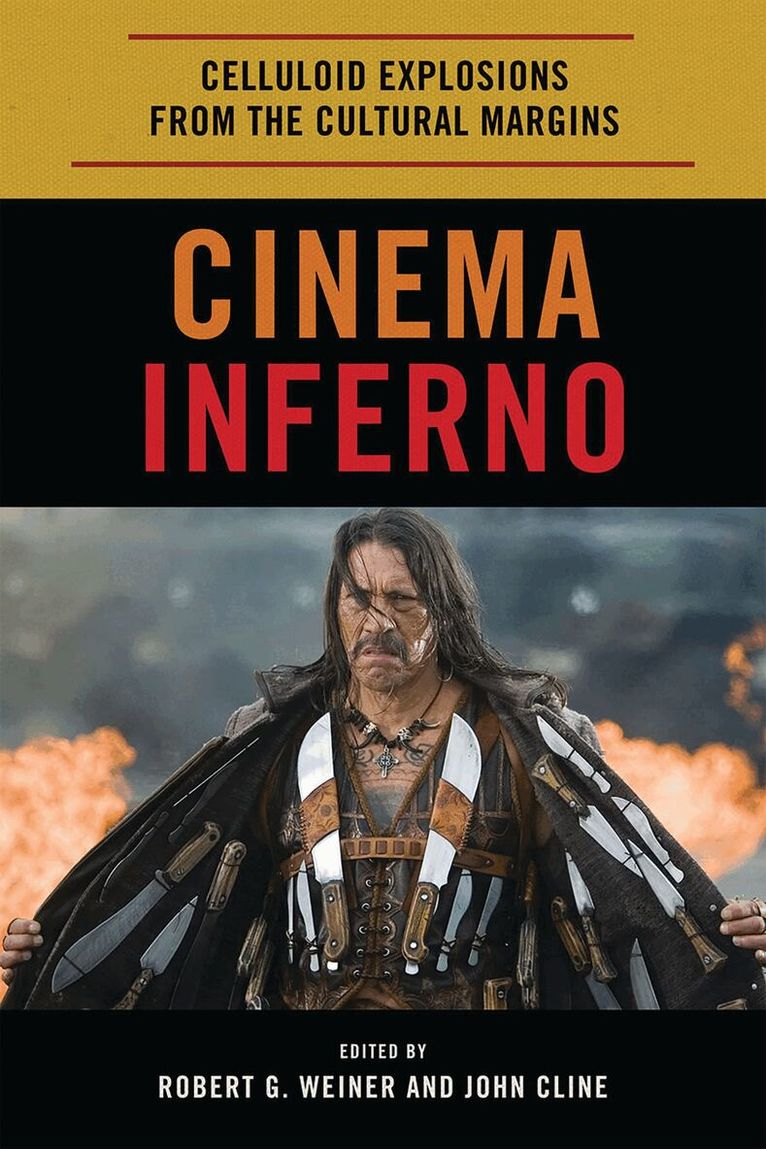
Cinema Inferno: Celluloid Explosions from the Cultural Margins addresses significant areas (and eras) of "transgressive" filmmaking, including many subgenres and styles that have not yet received much critical attention. This collection of essays covers both contemporary films and those produced in the last 50 years to provide a theoretical framework for looking at transgressive cinema and what that means.This volume begins with a number of essays that examine the aesthetic of "realism," tracing it through the late Italian Neo-Realism of Pasolini, the early films of Melvin Van Peebles, and Canadian filmmaker Guy Maddin. Another section focuses on '70s Italian horror and thrillers, including a substantially different examination of filmmaker Dario Argento, as well as essays on critically underrepresented directors Lucio Fulci and Sergio Martino. A section on New York looks at both radical independents like Troma and Andy Milligan, as well as the social context from which a view of the metropolis-in-decay emerged. Sections also cover the experimental work of the Vienna Action Group and controversial filmmaker Michael Haneke, as well as films and genres too idiosyncratic and disturbing to fit anywhere else, including analyses of Nazi propaganda films, fundamentalist Christian "scare" movies, and postwar Japanese youth films. The final essays try to come to terms with a mainstream flirtation with "transgressive" film and Grindhouse aesthetics.
E-bok
Engelska, 20101 240 kr
Läs direkt efter köp
Cinema Inferno: Celluloid Explosions from the Cultural Margins addresses significant areas (and eras) of "transgressive" filmmaking, including many subgenres and styles that have not yet received much critical attention. This collection of essays covers both contemporary films and those produced in the last 50 years to provide a theoretical framework for looking at transgressive cinema and what that means.This volume begins with a number of essays that examine the aesthetic of "realism," tracing it through the late Italian Neo-Realism of Pasolini, the early films of Melvin Van Peebles, and Canadian filmmaker Guy Maddin. Another section focuses on ''70s Italian horror and thrillers, including a substantially different examination of filmmaker Dario Argento, as well as essays on critically underrepresented directors Lucio Fulci and Sergio Martino. A section on New York looks at both radical independents like Troma and Andy Milligan, as well as the social context from which a view of the metropolis-in-decay emerged. Sections also cover the experimental work of the Vienna Action Group and controversial filmmaker Michael Haneke, as well as films and genres too idiosyncratic and disturbing to fit anywhere else, including analyses of Nazi propaganda films, fundamentalist Christian "scare" movies, and postwar Japanese youth films. The final essays try to come to terms with a mainstream flirtation with "transgressive" film and Grindhouse aesthetics.
Häftad, Engelska, 2021
239 kr
Skickas inom 3-6 vardagar
E-bok
Engelska, 202594 kr
Läs direkt efter köp
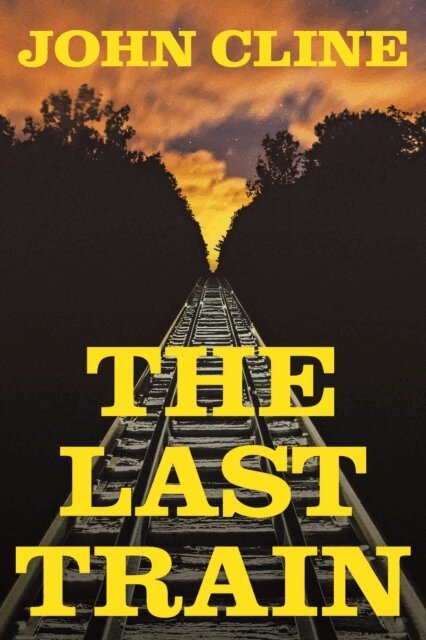
"The Last Train" is a harrowing journey seen through the eyes of a thirteen-year-old girl as she flees New York in a time of chaos and violent anarchy in America. Her undying will and incredible courage propel her on a journey north up the Hudson River Valley, hoping to find trains that have been ferrying people to safe zones. Helped by some, hunted by others, buffeted by a series of shattering events, she remains determined to make it -- against increasingly dangerous odds. As she does she is haunted by flashbacks, both poignant and horrifying, of her family enduring the unraveling of their life, and as the world around them dissolved into social disorder."The Last Train" is a thrilling story that captures the zeitgeist of our times.