John E. Lesch – författare
Visar alla böcker från författaren John E. Lesch. Handla med fri frakt och snabb leverans.
6 produkter
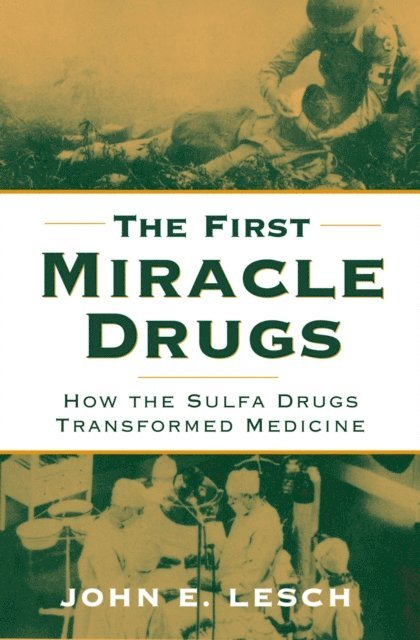
First Miracle Drugs
How the Sulfa Drugs Transformed Medicine
E-bok, 2006
416 kr
Lägg i varukorg
In the decade from 1935-1945, while the Second World War raged in Europe, a new class of medicines capable of controlling bacterial infections launched a therapeutic revolution that continues today. The new medicines were not penicillin and antibiotics, but sulfonamides, or sulfa drugs. The sulfa …
The First Miracle Drugs
How the Sulfa Drugs Transformed Medicine
Inbunden, 2006
678 kr
Lägg i varukorg
In the decade from 1935-1945, while the Second World War raged in Europe, a new class of medicines capable of controlling bacterial infections launched a therapeutic revolution that continues today. The new medicines were not penicillin and antibiotics, but sulfonamides, or sulfa drugs. The sulfa …
First Miracle Drugs
How the Sulfa Drugs Transformed Medicine
E-bok, 2006
416 kr
Lägg i varukorg
In the decade from 1935-1945, while the Second World War raged in Europe, a new class of medicines capable of controlling bacterial infections launched a therapeutic revolution that continues today. The new medicines were not penicillin and antibiotics, but sulfonamides, or sulfa drugs. The sulfa …
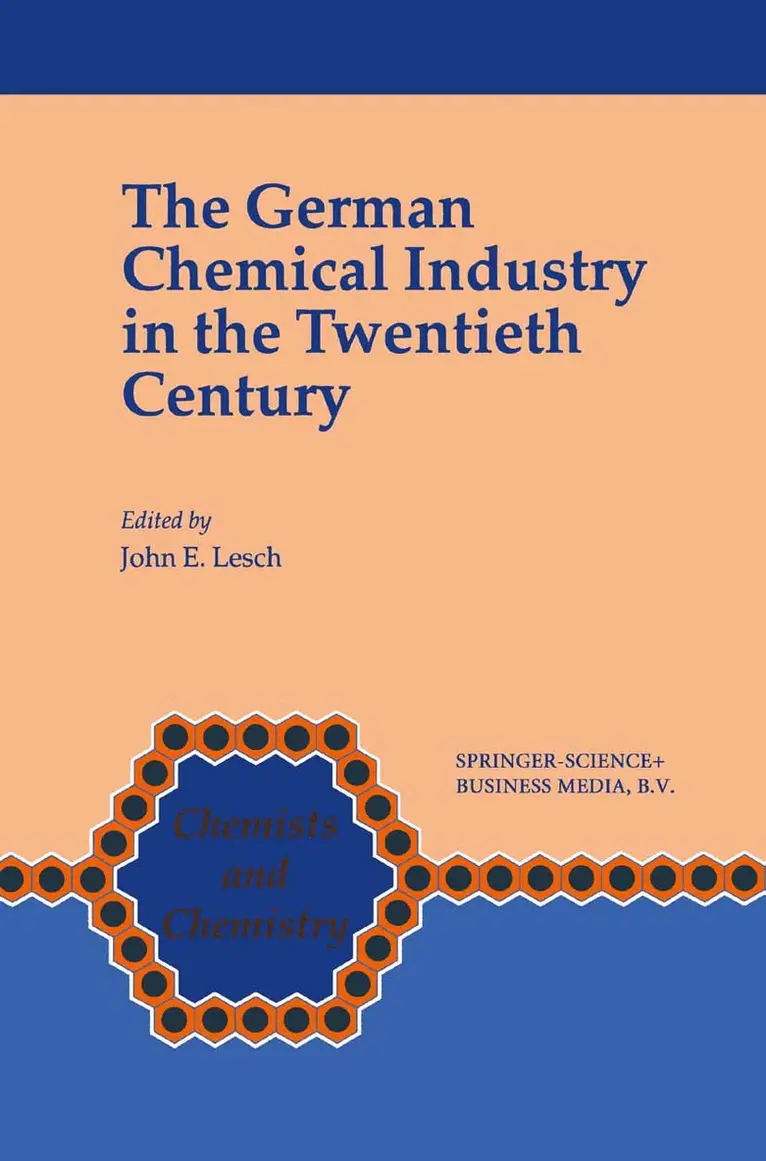
German Chemical Industry in the Twentieth Century
Inbunden, 2000
2179 kr
Lägg i varukorg
In the twentieth century, dyes, pharmaceuticals, photographic products, explosives, insecticides, fertilizers, synthetic rubber, fuels, and fibers, plastics, and other products have flowed out of the chemical industry and into the consumer economies, war machines, farms, and medical practices of …
German Chemical Industry in the Twentieth Century
Häftad, 2010
2244 kr
Lägg i varukorg
In the twentieth century, dyes, pharmaceuticals, photographic products, explosives, insecticides, fertilizers, synthetic rubber, fuels, and fibers, plastics, and other products have flowed out of the chemical industry and into the consumer economies, war machines, farms, and medical practices of …
German Chemical Industry in the Twentieth Century
E-bok, 2013
2917 kr
Lägg i varukorg
In the twentieth century, dyes, pharmaceuticals, photographic products, explosives, insecticides, fertilizers, synthetic rubber, fuels, and fibers, plastics, and other products have flowed out of the chemical industry and into the consumer economies, war machines, farms, and medical practices of …