John E. Zucchi – författare
Visar alla böcker från författaren John E. Zucchi. Handla med fri frakt och snabb leverans.
6 produkter
From Britain to Brazil
Migrant Histories in the 1890s
Häftad, 2027
421 kr
Kommande
In the early 1890s, nearly three thousand emigrants from towns and cities across Britain and Ireland were lured to Brazil by promises of free passage, work, and land. Instead, after arriving in South America they endured extreme hardship, wandering thousands of miles in search of employment and aid …
Little Slaves of the Harp
Italian Child Street Musicians in Nineteenth-Century Paris, London, and New York
E-bok, 1992
1072 kr
Lägg i varukorg
The padrone were often known to the families of the children or were from the same villages. While some were cruel exploiters who compelled obedience through terror and abuse - a view promoted by a few, well-publicized cases - the lot of most of these children was similar to that of child …
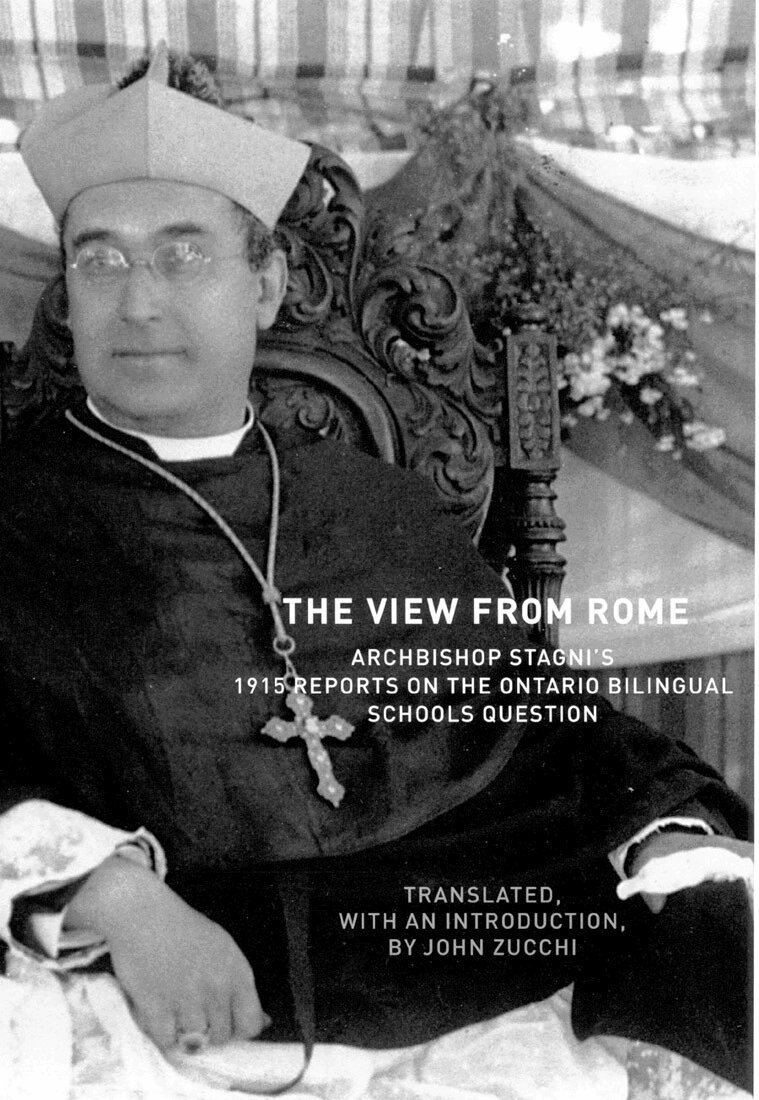
View From Rome
Archbishop Stagni''s 1915 Reports on the Ontario Bilingual Schools Question
Av John E. Zucchi, Pellegrino Stagni
E-bok, 2002
1041 kr
Lägg i varukorg
One of the acrimonious episodes in French-English relations in Canada resulted from the bilingual schools question in Ontario in the early part of the twentieth century; the issue reinforced the divisions within the Catholic Church between francophones and anglophones. In 1916 the Pope wrote a …
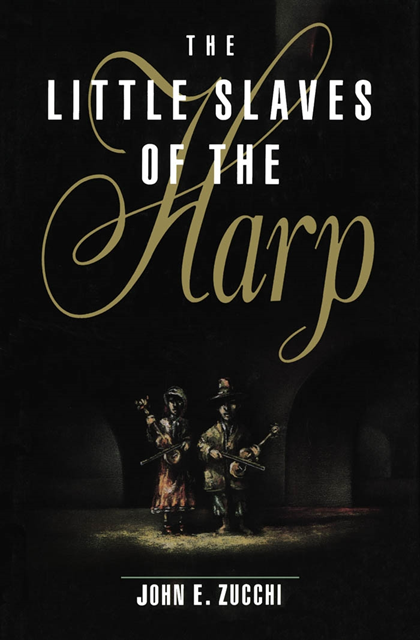
Little Slaves of the Harp
Italian Child Street Musicians in Nineteenth-Century Paris, London, and New York
Inbunden, 1992
412 kr
Tillfälligt slut
The padrone were often known to the families of the children or were from the same villages. While some were cruel exploiters who compelled obedience through terror and abuse - a view promoted by a few, well-publicized cases - the lot of most of these children was similar to that of child …
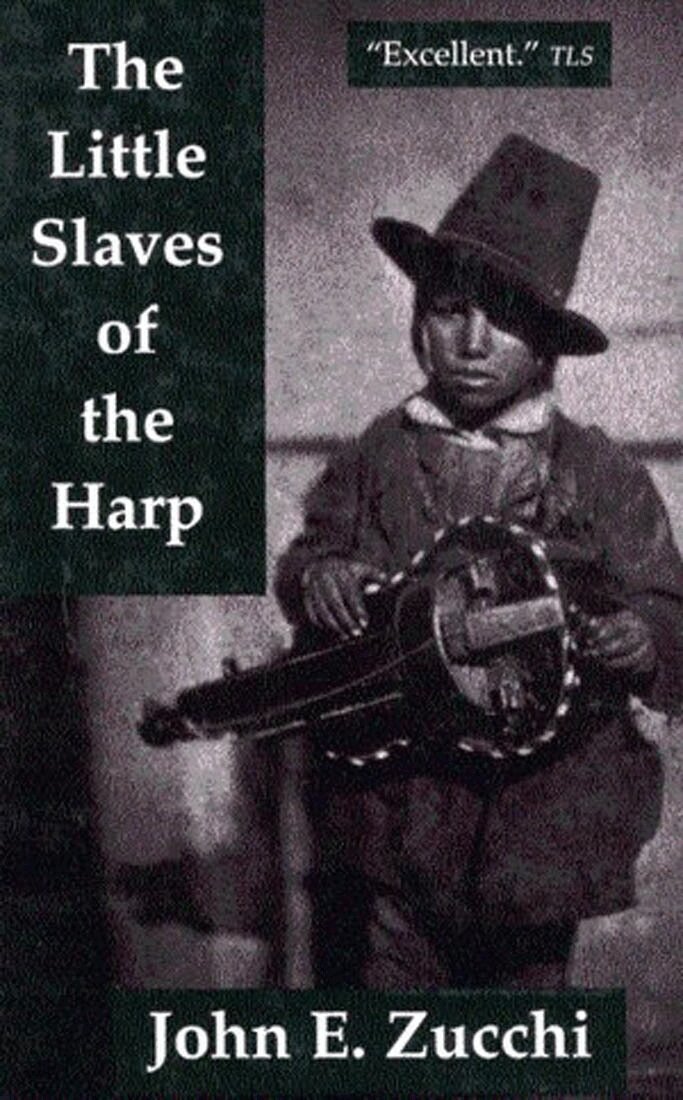
Little Slaves of the Harp
Italian Child Street Musicians in Nineteenth-Century Paris, London, and New York
Häftad, 1998
426 kr
Tillfälligt slut
The padrone were often known to the families of the children or were from the same villages. While some were cruel exploiters who compelled obedience through terror and abuse - a view promoted by a few, well-publicized cases - the lot of most of these children was similar to that of child …
View from Rome
Archbishop Stagni's 1915 Reports on the Ontario Bilingual Schools Question
Av Pellegrino Stagni, John E. Zucchi
Inbunden, 2002
1410 kr
Tillfälligt slut
One of the acrimonious episodes in French-English relations in Canada resulted from the bilingual schools question in Ontario in the early part of the twentieth century; the issue reinforced the divisions within the Catholic Church between francophones and anglophones. In 1916 the Pope wrote a …