John F. Organ – författare
Visar alla böcker från författaren John F. Organ. Handla med fri frakt och snabb leverans.
2 produkter
2 produkter
689 kr
Skickas inom 10-15 vardagar
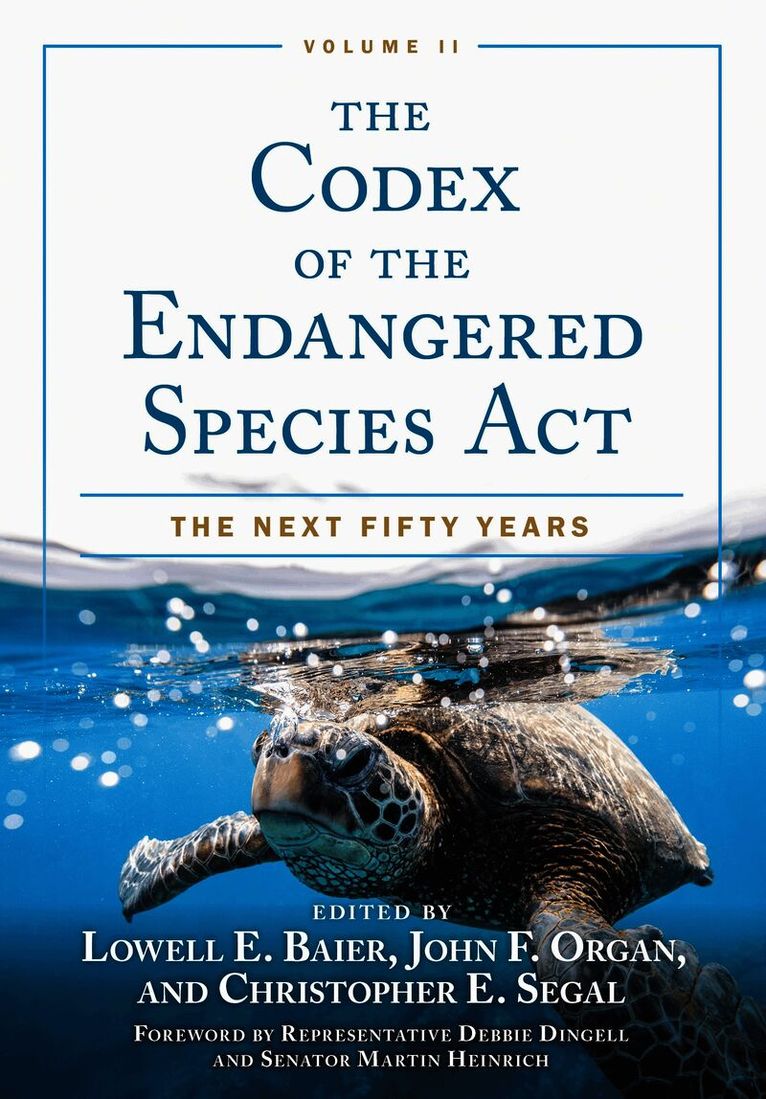
The Endangered Species Act of 1973 (ESA) is one of the most cherished and reviled laws ever passed. It mandates protection and preservation of all the nation’s species and biodiversity, whatever the cost. It has been a lightning rod for controversy and conflicts between industry/business and environmentalists.In this volume, leading Endangered Species Act experts interpret and propose legislative and administrative changes to prepare the ESA for future challenges. They explore regulations on avoiding harm to and producing benefits for species, cooperation between state and federal agencies, scientific analyses, and the necessary politics to enact their ideas. This is a call to action to chart an enlightened future for the Endangered Species Act that embraces the nation’s moral commitment of 50 years ago to address species extinction constructively, mindful of biodiversity, and as a fixture among the nation’s values and needs. The interconnected web of life includes all living species that depend on each other for survival, us among them. The stakes—our very future—are too high to ignore.
2 902 kr
Kommande
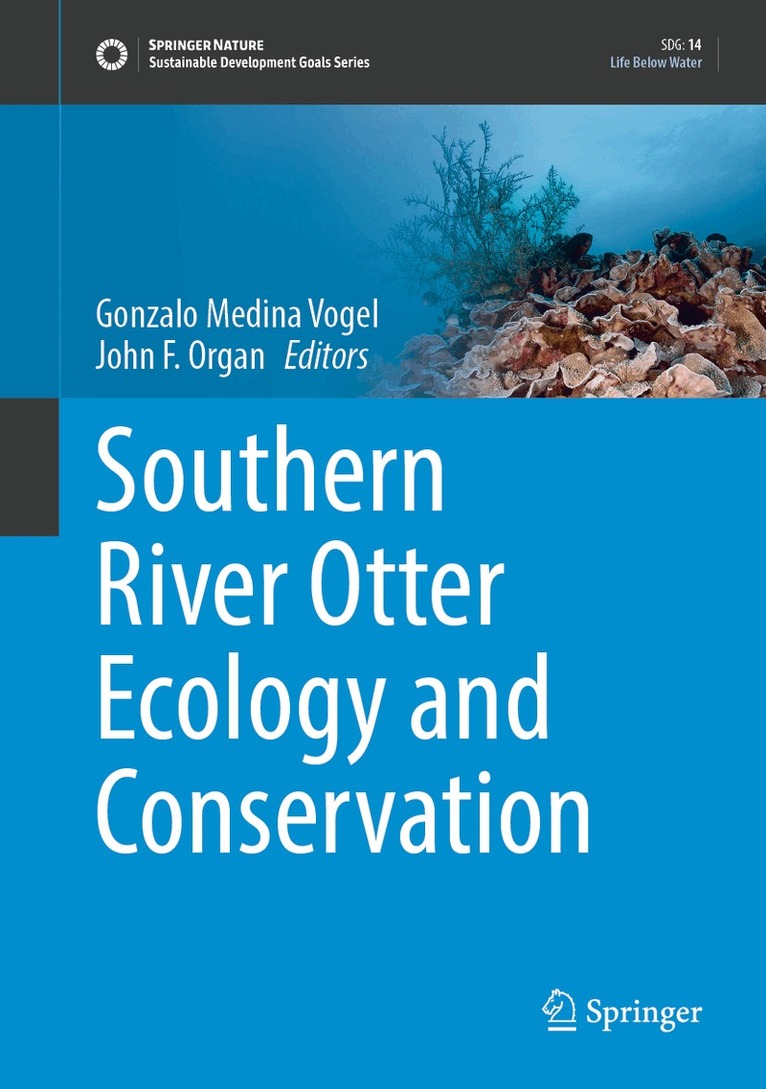
The main factor contributing to the decline in distribution of the Endangered Southern River Otter (Lontra provocax) in freshwater ecosystems in Patagonia over the last 200 years is land use change, since riparian forests were converted into agricultural land, agricultural lands into exotic forest plantations, and recently, agricultural lands and exotic forest plantation into recreational and residential properties. These changes result in extended loss of riparian forest and wetlands along the coastal mountain range and central flatlands of the eastern section of continental Chile. Parallel to this, the developing Chilean mining and pulp industry and growing need of electricity and water result in the overexploitation of rivers and streams, mainly below 400 m.a.s.l. Poaching in Argentina and Chile was an important factor only until end of the 1980s."Southern River Otter Ecology and Conservation" presents the results of more than 40 years of continuous field research in search of evidence to identify the environmental factors that are dragging the Southern river otter to extinction, including logistical difficulties of fieldwork related to the species, and information about its ecology, societal perceptions, human landscape transformation. A proposal for conservation of this species at a continental scale, that is, beyond the current network of protected areas, as the only strategy that will allow in situ conservation of the species in the future is offered. Within this conservation strategy, the weaknesses and risks of the neoliberal conservation model prevailing in the region are exposed and discussed. In "Southern River Otter Ecology and Conservation" animal ecology is mixed with geography, the ecology of invasive species and infectious diseases, the effect of climate change, along with social aspects and economic policies, with the aim of a better understanding of the problem behind the extinction and the challenge of Southern River Otter conservation.