John Frain – författare
572 kr
Läs direkt efter köp
As a result of the Liverpool City Council''s reorganization of its Further Education Service, the South Mersey College was established on September 1, 1986 through the amalgamation of the Riverside College of Technology and the Childwall Hall College of Further Education; two of the city''s eight colleges of further education. This book provides a
572 kr
Läs direkt efter köp
As a result of the Liverpool City Council''s reorganization of its Further Education Service, the South Mersey College was established on September 1, 1986 through the amalgamation of the Riverside College of Technology and the Childwall Hall College of Further Education; two of the city''s eight colleges of further education. This book provides a
456 kr
Läs direkt efter köp
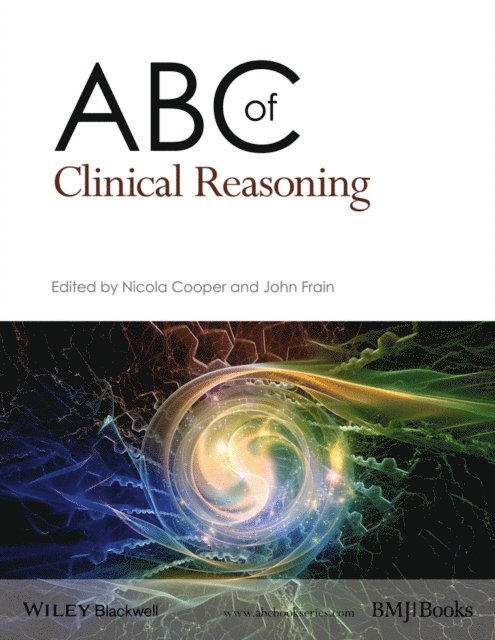
Being a good clinician is not just about knowledge – how doctors and other healthcare professionals think, reason and make decisions is arguably their most critical skill. While medical schools and postgraduate training programmes teach and assess the knowledge and skills required to practice as a doctor, few offer comprehensive training in clinical reasoning or decision making. This is important because studies suggest that diagnostic error is common and results in significant harm to patients – and errors in reasoning account for the majority of diagnostic errors.
The ABC of Clinical Reasoning covers core elements of the thinking and decision making associated with clinical practice – from what clinical reasoning is, what it involves and how to teach it. Informed by the latest advances in cognitive psychology, education and studies of expertise, the ABC covers:
Evidence-based history and examination Use and interpretation of diagnostic tests How doctors think – models of clinical reasoning Cognitive and affective biases Metacognition and cognitive de-biasing strategies Patient-centred evidence based medicine Teaching clinical reasoningFrom an international team of authors, the ABC of Clinical Reasoning is essential reading for all students, medical professionals and other clinicians involved in diagnosis, in order to improve their decision-making skills and provide better patient care.
456 kr
Läs direkt efter köp
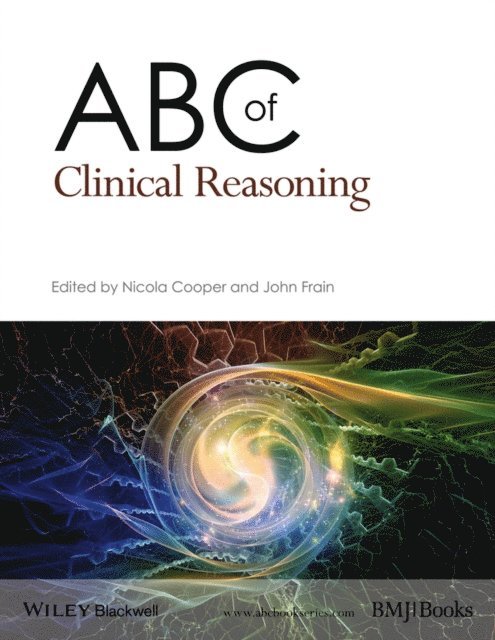
Being a good clinician is not just about knowledge – how doctors and other healthcare professionals think, reason and make decisions is arguably their most critical skill. While medical schools and postgraduate training programmes teach and assess the knowledge and skills required to practice as a doctor, few offer comprehensive training in clinical reasoning or decision making. This is important because studies suggest that diagnostic error is common and results in significant harm to patients – and errors in reasoning account for the majority of diagnostic errors.
The ABC of Clinical Reasoning covers core elements of the thinking and decision making associated with clinical practice – from what clinical reasoning is, what it involves and how to teach it. Informed by the latest advances in cognitive psychology, education and studies of expertise, the ABC covers:
Evidence-based history and examination Use and interpretation of diagnostic tests How doctors think – models of clinical reasoning Cognitive and affective biases Metacognition and cognitive de-biasing strategies Patient-centred evidence based medicine Teaching clinical reasoningFrom an international team of authors, the ABC of Clinical Reasoning is essential reading for all students, medical professionals and other clinicians involved in diagnosis, in order to improve their decision-making skills and provide better patient care.
488 kr
Läs direkt efter köp
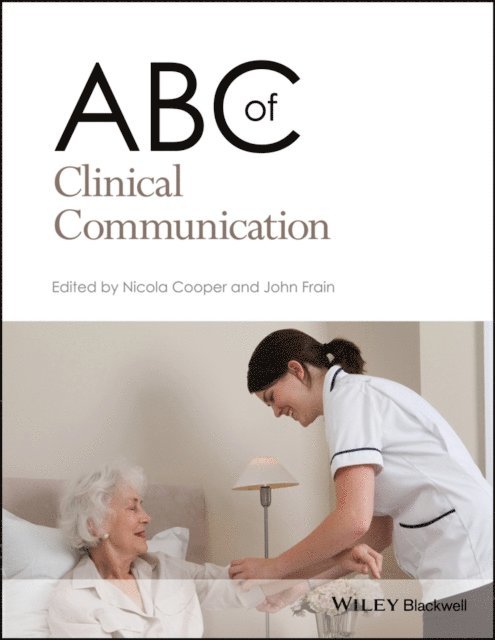
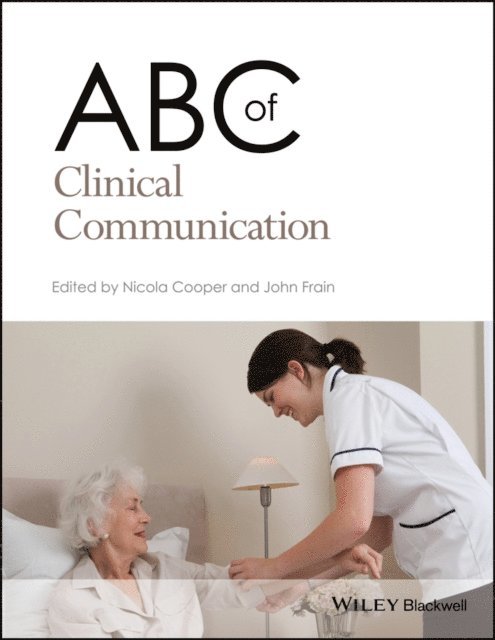
Clinical communication underpins safe patient care. The effective health professional sees illness through the patient’s eyes and understands what matters most to him or her. Effectiveness means gathering hard clinical data about the physical changes affecting the patient, understanding why the patient is concerned, conveying this to other health care professionals and involving the patient at every stage of management decisions.
The evidence for good clinical communication is well established, although there are challenges. While listening is the basis of sound diagnosis and clinical reasoning, its absence affects patient outcomes particularly when patients are not permitted to make their concerns known or when there are gaps in information flow or communication between the professionals caring for them.
The ABC of Clinical Communication considers the evidence pertinent to individual encounters between patients and their health professionals, how to achieve efficient flow of information, the function of clinical teams and developing a teaching programme. Topics covered include:
The consultation Clinical communication and personality type Shared decision making Communication in clinical teams Communication in medical records Communication in specific situations, including mental health and end of life Teaching clinical communicationThe chapter authors are clinicians involved in communicating with patients, research and training healthcare professionals of the future. This team reflects the multidisciplinary approach required to develop effective clinical communication.
420 kr
Skickas inom 11-20 vardagar
488 kr
Läs direkt efter köp
Clinical communication underpins safe patient care. The effective health professional sees illness through the patient’s eyes and understands what matters most to him or her. Effectiveness means gathering hard clinical data about the physical changes affecting the patient, understanding why the patient is concerned, conveying this to other health care professionals and involving the patient at every stage of management decisions.
The evidence for good clinical communication is well established, although there are challenges. While listening is the basis of sound diagnosis and clinical reasoning, its absence affects patient outcomes particularly when patients are not permitted to make their concerns known or when there are gaps in information flow or communication between the professionals caring for them.
The ABC of Clinical Communication considers the evidence pertinent to individual encounters between patients and their health professionals, how to achieve efficient flow of information, the function of clinical teams and developing a teaching programme. Topics covered include:
The consultation Clinical communication and personality type Shared decision making Communication in clinical teams Communication in medical records Communication in specific situations, including mental health and end of life Teaching clinical communicationThe chapter authors are clinicians involved in communicating with patients, research and training healthcare professionals of the future. This team reflects the multidisciplinary approach required to develop effective clinical communication.
430 kr
Skickas inom 5-8 vardagar
471 kr
Läs direkt efter köp
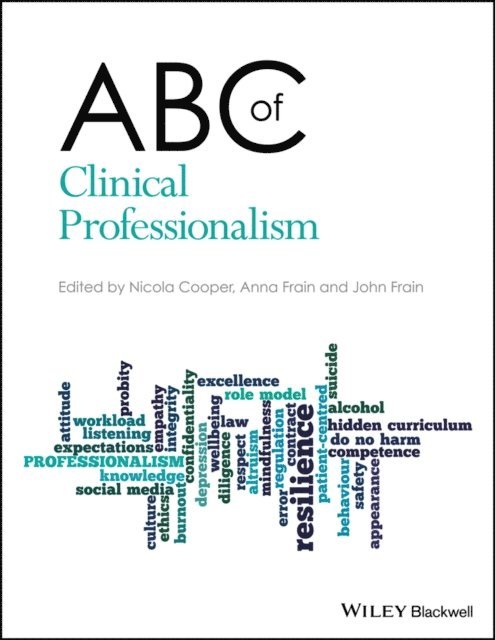
Clinical professionalism is a set of values, behaviours and relationships which underpins the public’s trust in healthcare providers both as individuals and organisations. ‘First, do no harm’ is expressed most clearly today in the patient safety movement and the imperative for transparency and candour in the delivery of healthcare. Professional conduct is essential for safe and high quality clinical care.
The ABC of Clinical Professionalism considers recent evidence on how healthcare practitioners maintain professionalism including how values are developed and affected by the working environment, the challenges of maintaining personal and organisational resilience and the ethical and regulatory framework in which practice is conducted. Topics covered include:
Acquiring and developing professional values Patient-centred care Burnout and resilience Confidentiality and social media The culture of healthcare Ensuring patient safety Leadership and collaboration Ethical and legal aspects of professionalism Teaching and assessing professionalism Regulation of healthcare professionalsThe chapter authors come from a range of countries and have experience of working in multidisciplinary clinical teams, research, and in the training of future healthcare practitioners including their development as professionals.
458 kr
Läs direkt efter köp
Clinical professionalism is a set of values, behaviours and relationships which underpins the public’s trust in healthcare providers both as individuals and organisations. ‘First, do no harm’ is expressed most clearly today in the patient safety movement and the imperative for transparency and candour in the delivery of healthcare. Professional conduct is essential for safe and high quality clinical care.
The ABC of Clinical Professionalism considers recent evidence on how healthcare practitioners maintain professionalism including how values are developed and affected by the working environment, the challenges of maintaining personal and organisational resilience and the ethical and regulatory framework in which practice is conducted. Topics covered include:
Acquiring and developing professional values Patient-centred care Burnout and resilience Confidentiality and social media The culture of healthcare Ensuring patient safety Leadership and collaboration Ethical and legal aspects of professionalism Teaching and assessing professionalism Regulation of healthcare professionalsThe chapter authors come from a range of countries and have experience of working in multidisciplinary clinical teams, research, and in the training of future healthcare practitioners including their development as professionals.
493 kr
Skickas inom 5-8 vardagar
595 kr
Läs direkt efter köp
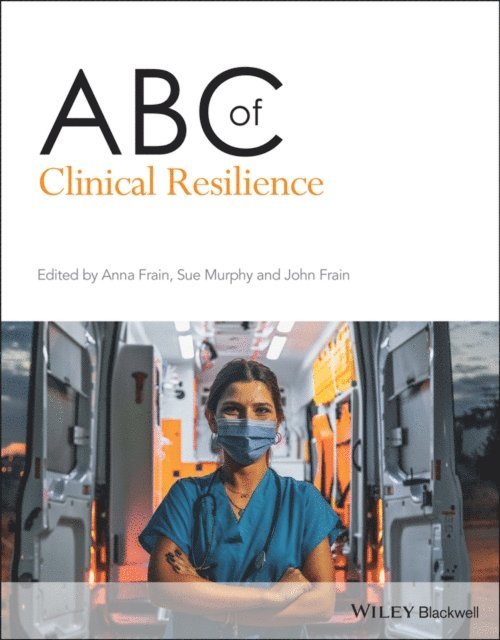
ABC of Clinical Resilience
For the healthcare professional, clinical resilience is about reconnecting with those stirrings which first motivated us to spend a career in the service of others. It is about recovering and maintaining the ???joy of practice??? which nourishes and satisfies our curiosity about the uniqueness of every person in our care. Being a resilient practitioner is essential for our personal wellbeing and also for the safety of our patients, who depend on our ability to optimise our physical and cognitive performance. Yet many healthcare professionals report experiencing burnout.
ABC of Clinical Resilience summarises current evidence on how cognitive performance and wellbeing of healthcare professionals are affected by the emotional context of providing care and the organisational culture of working environments. As well as considering impacts of individuals and teams, we also consider how resilience can be recovered for the benefit of everyone. Topics include:
The emotional impact of working in healthcare Resilience and cognitive performance Practicing self-care The physiology of resilience Intelligent kindness Kindness in teams Resilience in practice Organisational kindness Teaching resiliencePerfect for both novice and experienced healthcare professionals, including those working in mental health, ABC of Clinical Resilience will also earn a place in the libraries of professionals who treat healthcare workers and readers interested in the psychology and prevention of burnout, vicarious trauma, and moral injury.
About the ABC series
The ABC series has been designed to help you access information quickly and deliver the best patient care, and remains an essential reference tool for GPs, junior doctors, medical students and healthcare professionals.
Now offering over 80 titles, this extensive series provides you with a quick and dependable reference on a range of topics in all the major specialties.
The ABC series is the essential and dependable source of up-to-date information for all practitioners and students in primary healthcare.
To receive automatic updates on books and journals in your specialty, join our email list. Sign up today at www.wiley.com/email
595 kr
Läs direkt efter köp
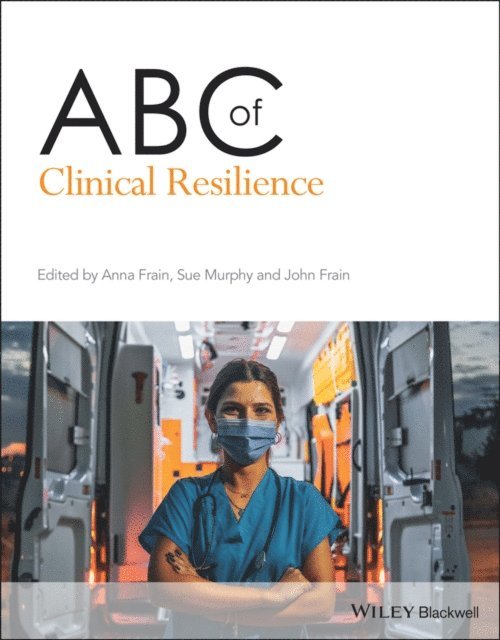
ABC of Clinical Resilience
For the healthcare professional, clinical resilience is about reconnecting with those stirrings which first motivated us to spend a career in the service of others. It is about recovering and maintaining the ???joy of practice??? which nourishes and satisfies our curiosity about the uniqueness of every person in our care. Being a resilient practitioner is essential for our personal wellbeing and also for the safety of our patients, who depend on our ability to optimise our physical and cognitive performance. Yet many healthcare professionals report experiencing burnout.
ABC of Clinical Resilience summarises current evidence on how cognitive performance and wellbeing of healthcare professionals are affected by the emotional context of providing care and the organisational culture of working environments. As well as considering impacts of individuals and teams, we also consider how resilience can be recovered for the benefit of everyone. Topics include:
The emotional impact of working in healthcare Resilience and cognitive performance Practicing self-care The physiology of resilience Intelligent kindness Kindness in teams Resilience in practice Organisational kindness Teaching resiliencePerfect for both novice and experienced healthcare professionals, including those working in mental health, ABC of Clinical Resilience will also earn a place in the libraries of professionals who treat healthcare workers and readers interested in the psychology and prevention of burnout, vicarious trauma, and moral injury.
About the ABC series
The ABC series has been designed to help you access information quickly and deliver the best patient care, and remains an essential reference tool for GPs, junior doctors, medical students and healthcare professionals.
Now offering over 80 titles, this extensive series provides you with a quick and dependable reference on a range of topics in all the major specialties.
The ABC series is the essential and dependable source of up-to-date information for all practitioners and students in primary healthcare.
To receive automatic updates on books and journals in your specialty, join our email list. Sign up today at www.wiley.com/email
402 kr
Skickas inom 5-8 vardagar
427 kr
Läs direkt efter köp
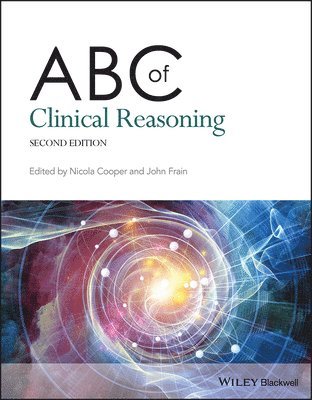
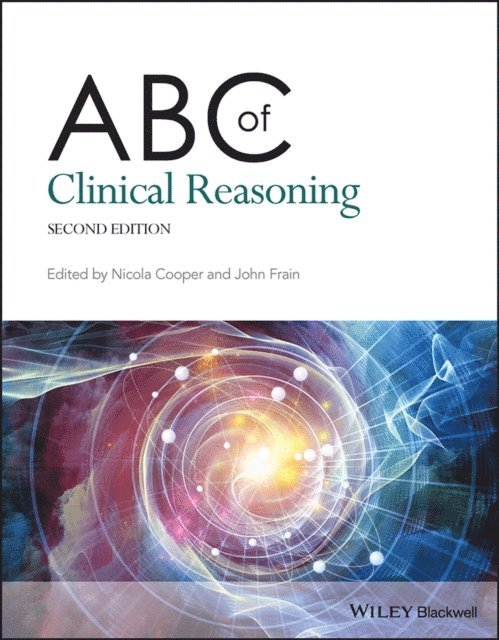
Being a good clinician is not only about knowledge — how doctors and other healthcare professionals think, reason, and make decisions is arguably their most critical skill. The second edition of the ABC of Clinical Reasoning breaks down clinical reasoning into its core components and explores each of these in more detail, including the applications for clinical practice, teaching, and learning.
Informed by the latest evidence from cognitive psychology, education, and studies of expertise, this edition has been extensively re-written and updated, and covers:
Key components of clinical reasoning: evidence-based history and examination, choosing and interpreting diagnostic tests, problem identification and management, and shared decision-making Key concepts in clinical reasoning, such dual process theories, and script theory Situativity and human factors Metacognition and cognitive strategies Teaching clinical reasoningFrom a team of expert authors, the ABC of Clinical Reasoning is essential reading for all students, clinical teachers, curriculum planners and clinicians involved in diagnosis.
About the ABC series
The ABC series has been designed to help you access information quickly and deliver the best patient care, and remains an essential reference tool for GPs, junior doctors, medical students and healthcare professionals.
Now offering over 80 titles, this extensive series provides you with a quick and dependable reference on a range of topics in all the major specialties.
The ABC series is the essential and dependable source of up-to-date information for all practitioners and students in primary healthcare.
To receive automatic updates on books and journals in your specialty, join our email list. Sign up today at www.wiley.com/email
427 kr
Läs direkt efter köp
Being a good clinician is not only about knowledge — how doctors and other healthcare professionals think, reason, and make decisions is arguably their most critical skill. The second edition of the ABC of Clinical Reasoning breaks down clinical reasoning into its core components and explores each of these in more detail, including the applications for clinical practice, teaching, and learning.
Informed by the latest evidence from cognitive psychology, education, and studies of expertise, this edition has been extensively re-written and updated, and covers:
Key components of clinical reasoning: evidence-based history and examination, choosing and interpreting diagnostic tests, problem identification and management, and shared decision-making Key concepts in clinical reasoning, such dual process theories, and script theory Situativity and human factors Metacognition and cognitive strategies Teaching clinical reasoningFrom a team of expert authors, the ABC of Clinical Reasoning is essential reading for all students, clinical teachers, curriculum planners and clinicians involved in diagnosis.
About the ABC series
The ABC series has been designed to help you access information quickly and deliver the best patient care, and remains an essential reference tool for GPs, junior doctors, medical students and healthcare professionals.
Now offering over 80 titles, this extensive series provides you with a quick and dependable reference on a range of topics in all the major specialties.
The ABC series is the essential and dependable source of up-to-date information for all practitioners and students in primary healthcare.
To receive automatic updates on books and journals in your specialty, join our email list. Sign up today at www.wiley.com/email
388 kr
Skickas inom 5-8 vardagar
412 kr
Läs direkt efter köp
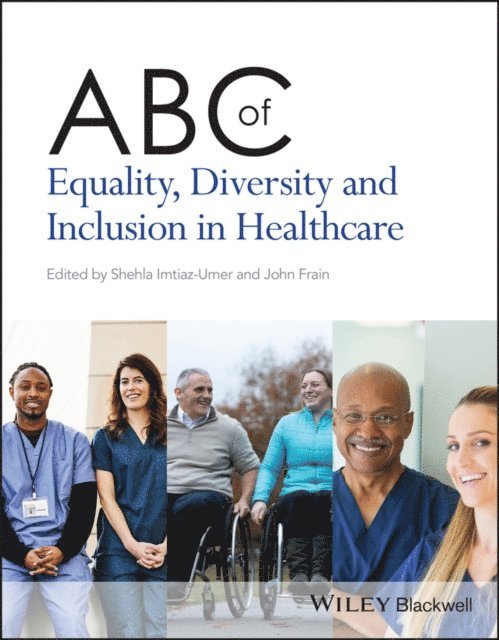
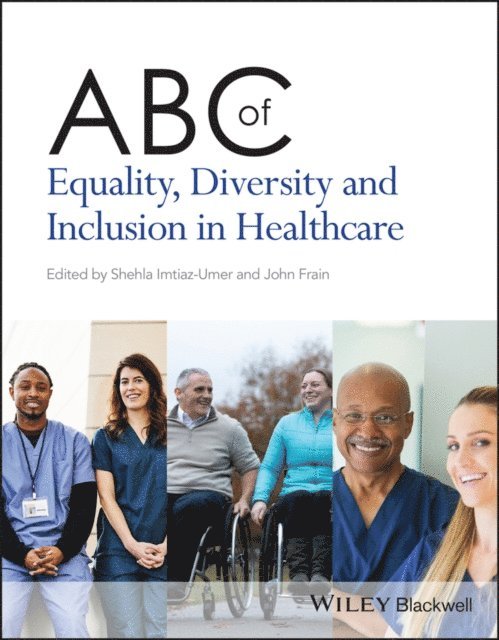
ABC of Equality, Diversity and Inclusion in Healthcare
Improve inclusion, for both patients and staff, in your healthcare environment
Fulfilment in personal and professional life is facilitated by feeling able to bring one’s complete self to work. The promotion of Equality, Diversity & Inclusion (EDI) and its support in the workplace is crucial to achieving this. Diverse and inclusive teams are characterised by good people management, leading to better decision-making and improved performance which staff wellbeing and patient safety depend on. Though issues including racism, sexism and homophobia have roots in wider society, they also exist across healthcare systems worldwide. They contribute to problems with recruitment and retention of staff and can make patients reluctant to access the care they need and deserve.
The ABC of Equality, Diversity and Inclusion in Health summarises the key issues and the impacts on both patients and staff of excluding people from good healthcare solely on the basis of who they are. As well as considering impacts on individuals and teams, we consider also how inclusion can be improved for the benefit of everyone—all patients and all staff.
Topics include:
Racism in healthcare Women in healthcare Sexual orientation and gender identity Disability, disparities and ableism in medicine Teaching equality, diversity, and inclusion in healthcareThe authors are distinguished healthcare practitioners whose personal and professional lives have been enriched by the diversity of all they meet through their work and who are passionate about ensuring positive change for colleagues and patients. This book aims to contribute to important discussions about how to ensure systemic change that will enable an inclusive culture by recognising and celebrating diversity. ABC of Equality, Diversity and Include (EDI) in Healthcare is essential reading for students and professionals who want to champion inclusivity and fulfilment in a workplace environment.
About the ABC series
The ABC series has been designed to help you access information quickly and deliver the best patient care, and remains an essential reference tool for GPs, junior doctors, medical students and healthcare professionals.
Now offering over 80 titles, this extensive series provides you with a quick and dependable reference on a range of topics in all the major specialties.
The ABC series is the essential and dependable source of up-to-date information for all practitioners and students in primary healthcare.
To receive automatic updates on books and journals in your specialty, join our email list. Sign up today at www.wiley.com/email
412 kr
Läs direkt efter köp
ABC of Equality, Diversity and Inclusion in Healthcare
Improve inclusion, for both patients and staff, in your healthcare environment
Fulfilment in personal and professional life is facilitated by feeling able to bring one’s complete self to work. The promotion of Equality, Diversity & Inclusion (EDI) and its support in the workplace is crucial to achieving this. Diverse and inclusive teams are characterised by good people management, leading to better decision-making and improved performance which staff wellbeing and patient safety depend on. Though issues including racism, sexism and homophobia have roots in wider society, they also exist across healthcare systems worldwide. They contribute to problems with recruitment and retention of staff and can make patients reluctant to access the care they need and deserve.
The ABC of Equality, Diversity and Inclusion in Health summarises the key issues and the impacts on both patients and staff of excluding people from good healthcare solely on the basis of who they are. As well as considering impacts on individuals and teams, we consider also how inclusion can be improved for the benefit of everyone—all patients and all staff.
Topics include:
Racism in healthcare Women in healthcare Sexual orientation and gender identity Disability, disparities and ableism in medicine Teaching equality, diversity, and inclusion in healthcareThe authors are distinguished healthcare practitioners whose personal and professional lives have been enriched by the diversity of all they meet through their work and who are passionate about ensuring positive change for colleagues and patients. This book aims to contribute to important discussions about how to ensure systemic change that will enable an inclusive culture by recognising and celebrating diversity. ABC of Equality, Diversity and Include (EDI) in Healthcare is essential reading for students and professionals who want to champion inclusivity and fulfilment in a workplace environment.
About the ABC series
The ABC series has been designed to help you access information quickly and deliver the best patient care, and remains an essential reference tool for GPs, junior doctors, medical students and healthcare professionals.
Now offering over 80 titles, this extensive series provides you with a quick and dependable reference on a range of topics in all the major specialties.
The ABC series is the essential and dependable source of up-to-date information for all practitioners and students in primary healthcare.
To receive automatic updates on books and journals in your specialty, join our email list. Sign up today at www.wiley.com/email
1 724 kr
Skickas inom 10-15 vardagar
488 kr
Skickas inom 10-15 vardagar
586 kr
Skickas inom 5-8 vardagar
668 kr
Läs direkt efter köp
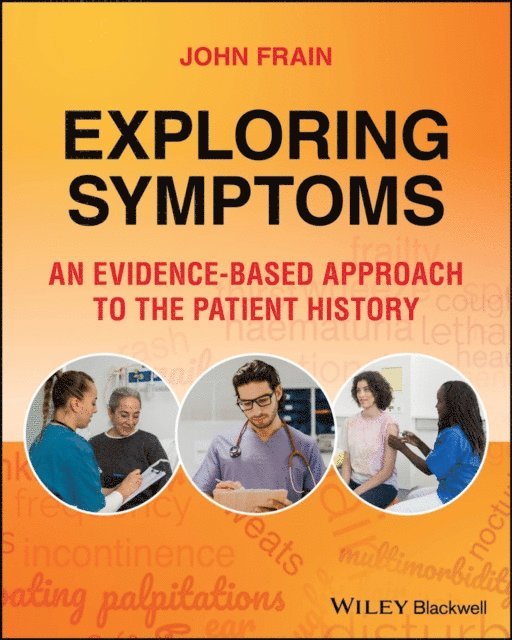
Understand the relationship between disease and description with this invaluable guide
Correctly interpreting patient symptoms is one of the most critical components of medical diagnosis and treatment. Though each instance of any given disease will share features with others, each patient’s experience is unique, and assessment of their condition depends on taking and interpreting an individual patient’s history. Correct diagnosis and treatment decisions rely on a sound, evidence-based approach to this crucial clinical interaction.
Exploring Symptoms - An Evidence-based Approach to the Patient History offers a rigorous analysis of the complex relationship between symptoms and patient communication. Carefully connecting basic sciences such as anatomy and physiology with the development of symptoms in each body system, this book surveys evidence for how patients tend to experience and describe symptoms and how these descriptions can shape diagnosis and treatment. It’s a must-have volume for students and clinicians looking to concretely improve patient outcomes.
Exploring Symptoms - An Evidence-based Approach to the Patient History readers will also find:
Detailed discussion of patient thresholds for presenting symptoms to healthcare professionals Analysis of individual symptom epidemiology and its general expression at both the patient and population level An inclusive approach with concrete advice for addressing the needs of a diverse patient bodyExploring Symptoms - An Evidence-based Approach to the Patient History is ideal for undergraduate and postgraduate students, as well as healthcare educators and postgraduate-allied health professionals. It is also a useful tool for early-years practitioners and general practitioners.
644 kr
Läs direkt efter köp
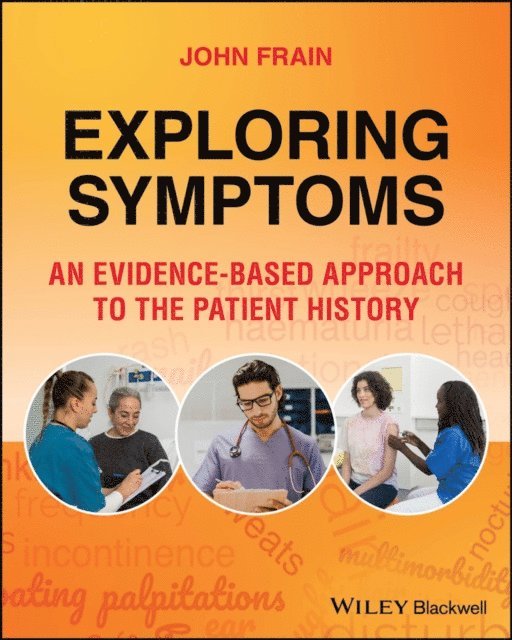
Understand the relationship between disease and description with this invaluable guide
Correctly interpreting patient symptoms is one of the most critical components of medical diagnosis and treatment. Though each instance of any given disease will share features with others, each patient’s experience is unique, and assessment of their condition depends on taking and interpreting an individual patient’s history. Correct diagnosis and treatment decisions rely on a sound, evidence-based approach to this crucial clinical interaction.
Exploring Symptoms - An Evidence-based Approach to the Patient History offers a rigorous analysis of the complex relationship between symptoms and patient communication. Carefully connecting basic sciences such as anatomy and physiology with the development of symptoms in each body system, this book surveys evidence for how patients tend to experience and describe symptoms and how these descriptions can shape diagnosis and treatment. It’s a must-have volume for students and clinicians looking to concretely improve patient outcomes.
Exploring Symptoms - An Evidence-based Approach to the Patient History readers will also find:
Detailed discussion of patient thresholds for presenting symptoms to healthcare professionals Analysis of individual symptom epidemiology and its general expression at both the patient and population level An inclusive approach with concrete advice for addressing the needs of a diverse patient bodyExploring Symptoms - An Evidence-based Approach to the Patient History is ideal for undergraduate and postgraduate students, as well as healthcare educators and postgraduate-allied health professionals. It is also a useful tool for early-years practitioners and general practitioners.
430 kr
Skickas inom 5-8 vardagar
505 kr
Läs direkt efter köp
ABC of Evidence - Based Healthcare
A practitioner guide summarizing the aims and achievements of evidence-based healthcare and why it is crucial to modern clinical practice
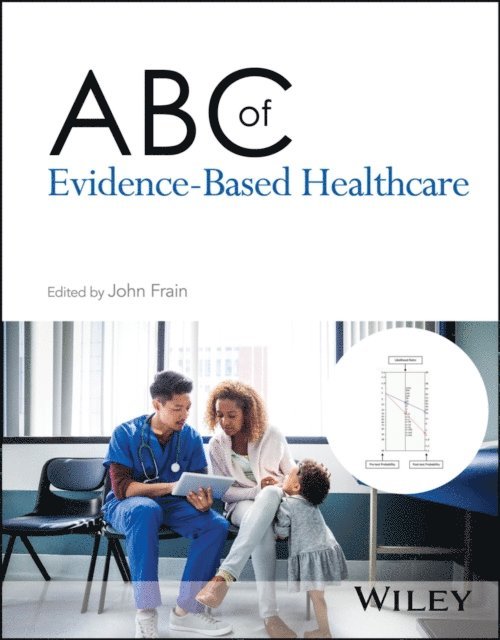
ABC of Evidence-Based Healthcare explains how evidence is developed and formulated into guidance for clinicians. It details how to interpret and apply this evidence to one’s own practice and patients, covering areas such as diagnosis and screening, therapy, harm, and prognosis. Some of the key aspects discussed in this book include understanding choice of study design, the roles of quantitative and qualitative research, selecting and using appraisal tools and key statistical concepts. Additionally, the book also covers how to interpret the results of research studies, apply results to the needs of patients, communicate results to colleagues and incorporate them into student training, as well as discussing treatment options, risks, and benefits with patients.
As in all ABC books, the text is complemented with practical examples of evidence in practice to facilitate understanding. Although a standalone resource in itself, the book signposts readers to useful and comprehensive resources, including web-based calculators and tools for each main theme of the book.
In ABC of Evidence-Based Healthcare, readers will find information on:
The ethical dimension, philosophy, scope, achievements, and usefulness of evidence-based healthcare Pre-appraised versus primary studies, healthcare databases, and search strategies including the use of keywords, wildcards, and filters Statistical concepts including probability and confidence intervals, and cohort, diagnostic accuracy, and case control studies Bias in research, the impact of under-research, conflicts of interest, and misleading or weak evidence Curriculum development, covering objectives and outcomes, curriculum integration, and student assessmentsABC of Evidence-Based Healthcare delivers a practical, accessible, and highly useful introduction to concepts of evidence-based healthcare for students and new practitioners.
505 kr
Läs direkt efter köp
ABC of Evidence - Based Healthcare
A practitioner guide summarizing the aims and achievements of evidence-based healthcare and why it is crucial to modern clinical practice
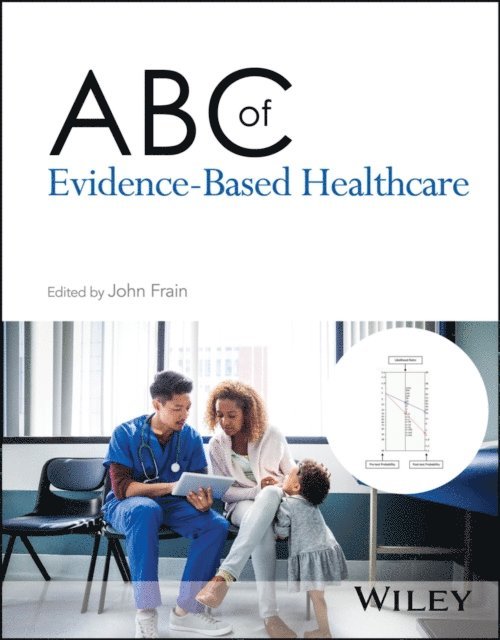
ABC of Evidence-Based Healthcare explains how evidence is developed and formulated into guidance for clinicians. It details how to interpret and apply this evidence to one’s own practice and patients, covering areas such as diagnosis and screening, therapy, harm, and prognosis. Some of the key aspects discussed in this book include understanding choice of study design, the roles of quantitative and qualitative research, selecting and using appraisal tools and key statistical concepts. Additionally, the book also covers how to interpret the results of research studies, apply results to the needs of patients, communicate results to colleagues and incorporate them into student training, as well as discussing treatment options, risks, and benefits with patients.
As in all ABC books, the text is complemented with practical examples of evidence in practice to facilitate understanding. Although a standalone resource in itself, the book signposts readers to useful and comprehensive resources, including web-based calculators and tools for each main theme of the book.
In ABC of Evidence-Based Healthcare, readers will find information on:
The ethical dimension, philosophy, scope, achievements, and usefulness of evidence-based healthcare Pre-appraised versus primary studies, healthcare databases, and search strategies including the use of keywords, wildcards, and filters Statistical concepts including probability and confidence intervals, and cohort, diagnostic accuracy, and case control studies Bias in research, the impact of under-research, conflicts of interest, and misleading or weak evidence Curriculum development, covering objectives and outcomes, curriculum integration, and student assessmentsABC of Evidence-Based Healthcare delivers a practical, accessible, and highly useful introduction to concepts of evidence-based healthcare for students and new practitioners.
316 kr
Tillfälligt slut