John H. Rosser – författare
Visar alla böcker från författaren John H. Rosser. Handla med fri frakt och snabb leverans.
2 produkter
2 produkter
Häftad, Engelska, 2006
618 kr
Skickas inom 10-15 vardagar
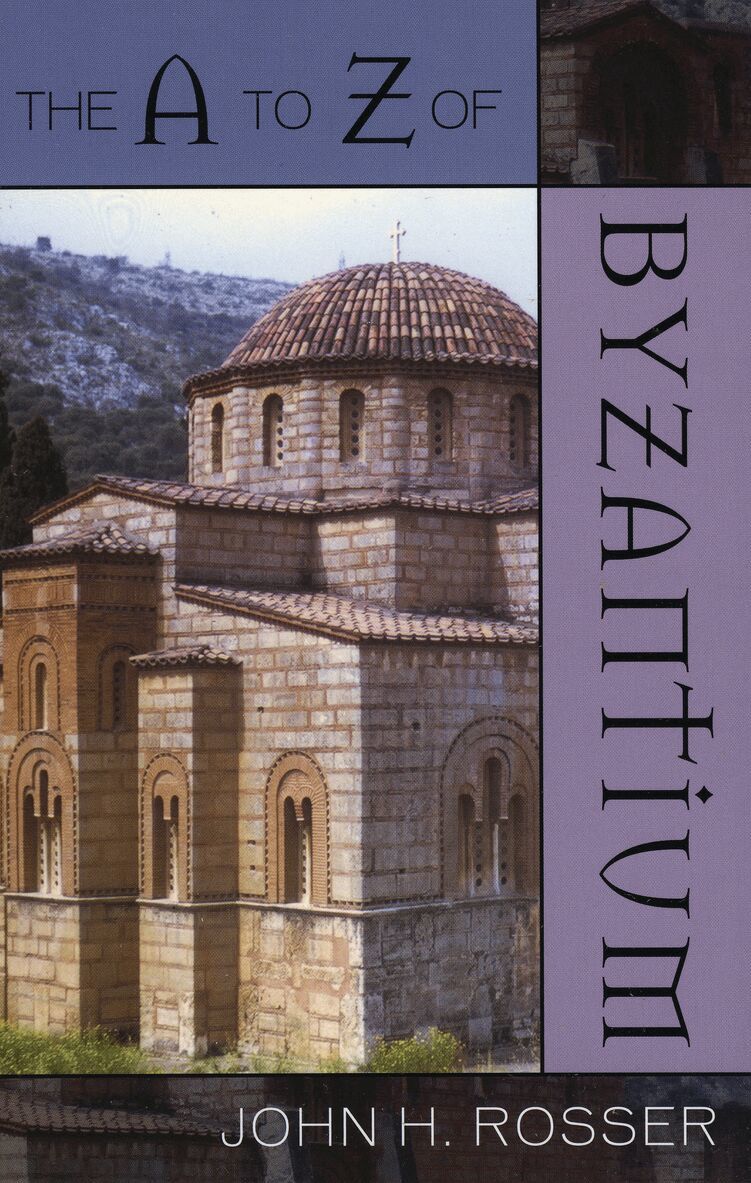
Byzantium was one of the greatest empires that ever existed. It reigned over extensive regions around the Mediterranean and in Eastern Europe from its founding by Constantine in 324 to the fall of Constantinople in 1453. During this period, its emperors had not only secular powers but also religious, dominating the Orthodox church that spread into Slavic lands. However, internal divisions, rivalry with the West, and the relentless battle against invaders, including the Ottomans, would eventually weaken the Byzantine Empire, and although it disappeared half a millennia ago, its influences can still be seen today in Eastern Orthodoxy and Byzantine art and archaeology.The A to Z of Byzantium covers an impressively long period of over a thousand years, balancing the high points as it expanded and flourished and the low points when it was pushed back. The major events are first marked in the chronology and then expanded upon in the introduction. What actually transpired can then be seen in greater detail through several hundred cross-referenced dictionary entries describing important persons, institutions, events, and significant aspects of the economy, society, culture, religion, and warfare. A bibliography of supplementary material concludes the book.
E-bok
Engelska, 20112 039 kr
Läs direkt efter köp
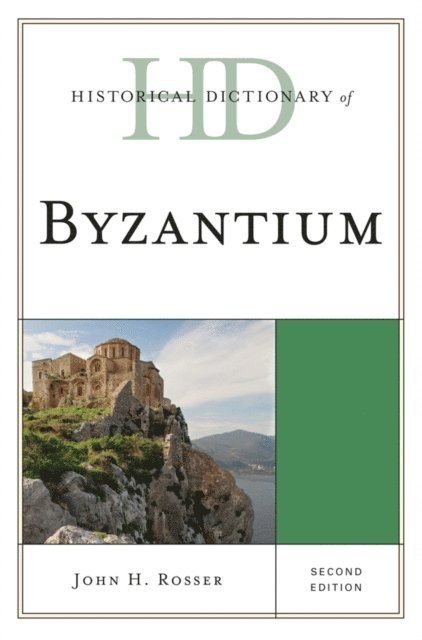
The Byzantine Empire dates back to Constantine the Great, the first Christian ruler of the Roman Empire, who, in 330 AD, moved the imperial capital from Rome to a port city in modern-day Turkey, which he then renamed Constantinople in his honor. From its founding, the Byzantine Empire was a major anchor of east-west trade, and culture, art, architecture, and the economy all prospered in the newly Christian empire. As Byzantium moved into the middle and late period, Greek became the official language of both church and state and the Empire’s cultural and religious influence extended well beyond its boundaries. In the mid-15th century, the Ottoman Turks put an end to 1,100 years of Byzantine history by capturing Constantinople, but the Empire’s legacy in art, culture, and religion endured long after its fall.In this revised and updated second edition of the Historical Dictionary of Byzantium, author John H. Rosser introduces both the general reader and the researcher to the history of the Byzantine Empire. This comprehensive dictionary includes detailed, alphabetical entries on key figures, ideas, places, and themes related to Byzantine art, history, and religion, and the second edition contains numerous additional entries on broad topics such as transportation and gender, which were less prominent in the previous edition. An expanded introduction introduces the reader to Byzantium and a guide to further sources and suggested readings can be found in the extensive bibliography that follows the entries. A basic chronology and various maps and illustrations are also included in the dictionary. This book is an excellent access point for students, researchers, and anyone wanting to know more about Byzantium.