John Henry Merryman – författare
Visar alla böcker från författaren John Henry Merryman. Handla med fri frakt och snabb leverans.
14 produkter
Imperialism, Art and Restitution
Häftad, 2009
644 kr
Lägg i varukorg
The issue of returning art and cultural property removed from explored or conquered lands by Americans and Europeans is an unresolved problem. This book is about the return, or not, of works of art and antiquity taken during the Age of Imperialism and now held in museums and private collections. …
Imperialism, Art and Restitution
Inbunden, 2006
1648 kr
Lägg i varukorg
The issue of returning art and cultural property removed from explored or conquered lands by Americans and Europeans is an unresolved problem. This book is about the return, or not, of works of art and antiquity taken during the Age of Imperialism and now held in museums and private collections. …
Law, Ethics, and the Visual Arts
Av Simon J. Frankel, Stephen K. Urice m. fl.
E-bok, 2025
1222 kr
Lägg i varukorg
Law, Ethics, and the Visual Arts
Av Simon J. Frankel, Stephen K. Urice m. fl.
E-bok, 2025
1222 kr
Lägg i varukorg
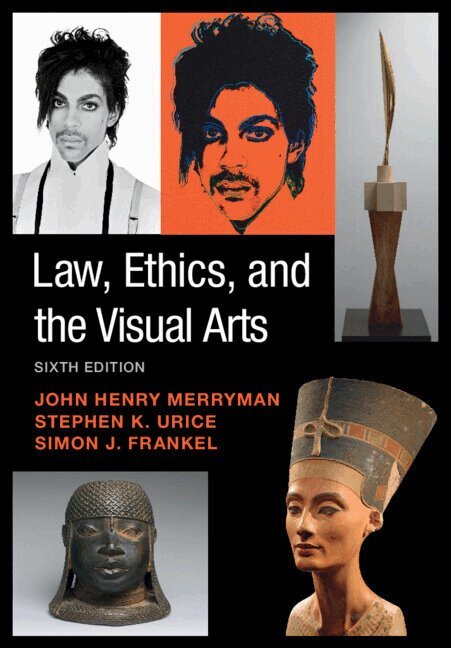
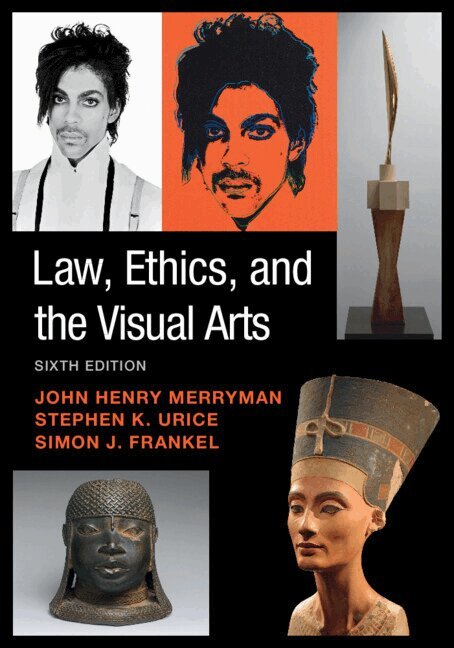
Law, Ethics, and the Visual Arts
Av John Henry Merryman, Stephen K. Urice m. fl.
Inbunden, 2025
1970 kr
Lägg i varukorg
Since its first publication in 1979, Law, Ethics, and the Visual Arts has been the foundational text in the field of art law. This thoroughly reorganized and updated sixth edition takes a fresh look at primary materials and commentary from previous editions, extending the book's analysis with …
Civil Law Tradition
An Introduction to the Legal Systems of Europe and Latin America, Fourth Edition
Av John Henry Merryman, Rogelio Pérez-Perdomo
Inbunden, 2018
1087 kr
Lägg i varukorg
Designed for the general reader and students of law, this is a concise history and analysis of the civil law tradition, which is dominant in most of Europe, all of Latin America, and many parts of Asia, Africa, and the Middle East. The fourth edition is fully updated to include the latest …
Civil Law Tradition
An Introduction to the Legal Systems of Europe and Latin America, Fourth Edition
Av John Henry Merryman, Rogelio Pérez-Perdomo
Häftad, 2018
264 kr
Lägg i varukorg
Designed for the general reader and students of law, this is a concise history and analysis of the civil law tradition, which is dominant in most of Europe, all of Latin America, and many parts of Asia, Africa, and the Middle East. The fourth edition is fully updated to include the latest …
Civil Law Tradition
An Introduction to the Legal Systems of Europe and Latin America, Fourth Edition
Av John Henry Merryman, Rogelio Pérez-Perdomo
E-bok, 2018
263 kr
Lägg i varukorg
Designed for the general reader and students of law, this is a concise history and analysis of the civil law tradition, which is dominant in most of Europe, all of Latin America, and many parts of Asia, Africa, and the Middle East. The fourth edition is fully updated to include the latest …
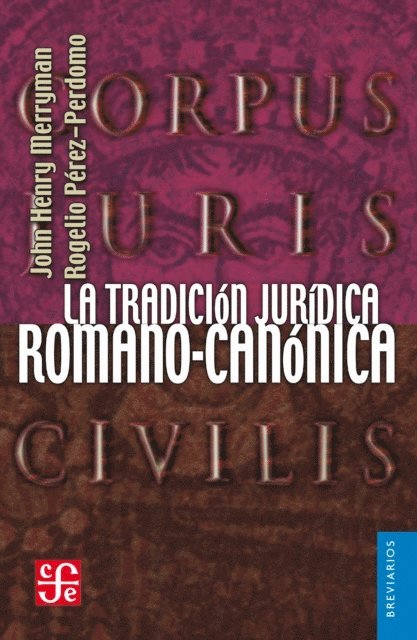
La tradición jurídica romano-canónica
Av Rogelio Perez Perdomi, John Henry Merryman m. fl.
E-bok, 2015
57 kr
Lägg i varukorg
La finalidad de este libro es establecer las relaciones existentes entre los sistemas legales de Europa occidental y América Latina, aquellos que los distinguen de los sistemas legales del mundo norteamericano en materia de derecho civil.
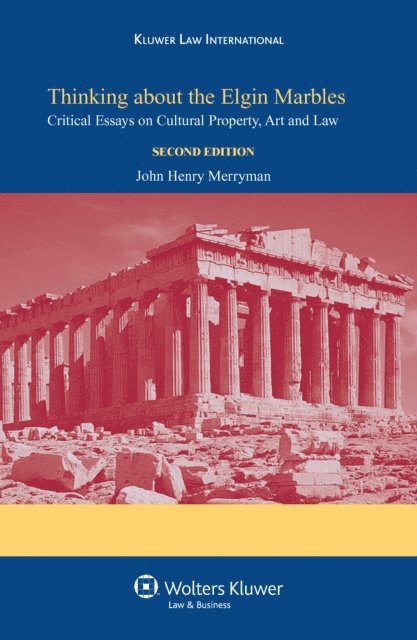
Thinking about the Elgin Marbles
Critical Essays on Cultural Property, Art and Law
E-bok, 2009
3824 kr
Lägg i varukorg
The new edition of this insightful work begins with a critical reexamination of the rival Greek and British claims to the Elgin Marbles. That case study identifies the questions that continue to dominate the growing international debate about cultural property policy and which are subsequently …
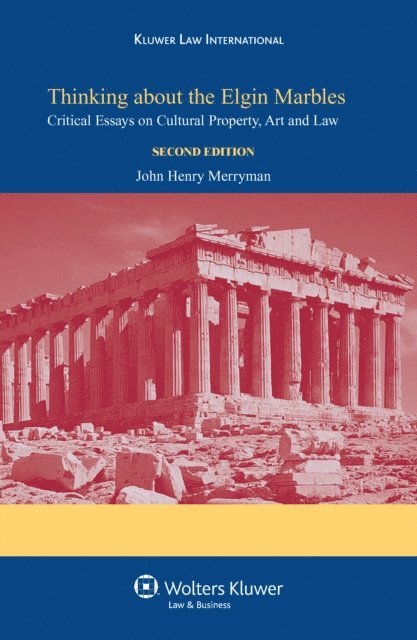
Thinking about the Elgin Marbles
Critical Essays on Cultural Property, Art and Law
E-bok, 2009
3824 kr
Lägg i varukorg
The new edition of this insightful work begins with a critical reexamination of the rival Greek and British claims to the Elgin Marbles. That case study identifies the questions that continue to dominate the growing international debate about cultural property policy and which are subsequently …
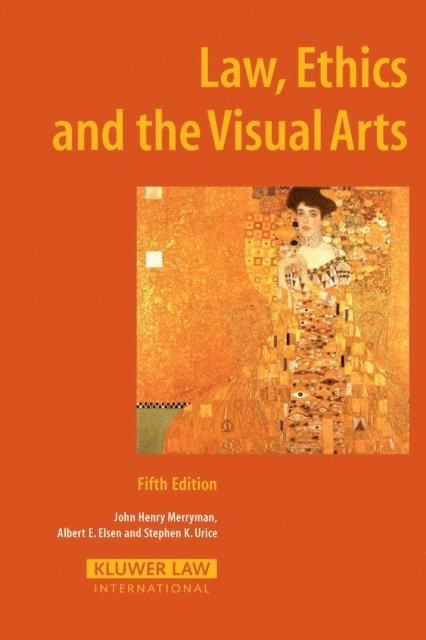
Law, Ethics and the Visual Arts
Av Albert E. Elsen, John Henry Merryman
E-bok, 2007
6046 kr
Lägg i varukorg
Since its first edition in 1979, Law, Ethics and the Visual Arts has established itself as the leading art law text among law professors, students, and practitioners. This new and newly illustrated, fifth edition, revised in collaboration with Stephen K. Urice, incorporates recent changes in …
Loneliness of the Comparative Lawyer And Other Essays in Foreign and Comparative Law
E-bok, 1999
4084 kr
Lägg i varukorg
In these critical essays a leading comparative lawyer: • examines the movement for convergence of the Civil Law and the Common Law • describes the Italian Style and the French Deviation • contrasts Common Law estate with Civil Law ownership • explains why the distinction between public law and …
Law, Ethics, and the Visual Arts
Av John Henry Merryman, Stephen K. Urice m. fl.
Häftad, 2025
1069 kr
Tillfälligt slut
Since its first publication in 1979, Law, Ethics, and the Visual Arts has been the foundational text in the field of art law. This thoroughly reorganized and updated sixth edition takes a fresh look at primary materials and commentary from previous editions, extending the book's analysis with …