John Kulvicki – författare
Visar alla böcker från författaren John Kulvicki. Handla med fri frakt och snabb leverans.
7 produkter
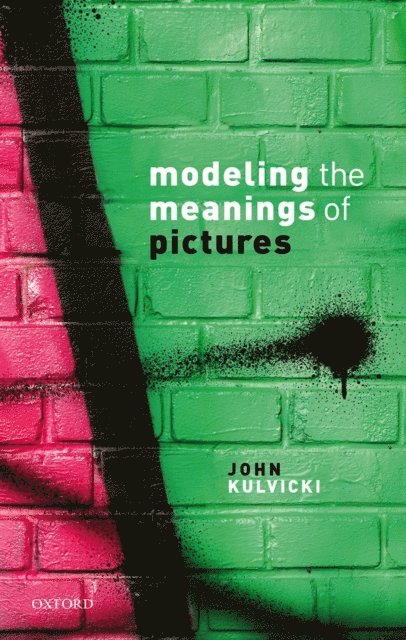
Modeling the Meanings of Pictures
Depiction and the philosophy of language
E-bok, 2020
1045 kr
Lägg i varukorg
John Kulvicki offers an account of the many ways in which pictures can be meaningful which is inspired by the philosophy of language. Pictures are important parts of communicative acts, along with language, gesture, facial expressions, and props. They express wide ranges of thoughts, make …
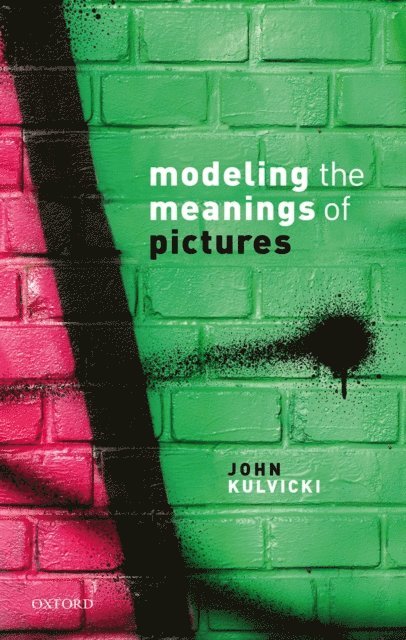
Modeling the Meanings of Pictures
Depiction and the philosophy of language
E-bok, 2020
1045 kr
Lägg i varukorg
John Kulvicki offers an account of the many ways in which pictures can be meaningful which is inspired by the philosophy of language. Pictures are important parts of communicative acts, along with language, gesture, facial expressions, and props. They express wide ranges of thoughts, make …
Modeling the Meanings of Pictures
Depiction and the philosophy of language
Inbunden, 2020
1518 kr
Lägg i varukorg
John Kulvicki offers an account of the many ways in which pictures can be meaningful which is inspired by the philosophy of language. Pictures are important parts of communicative acts, along with language, gesture, facial expressions, and props. They express wide ranges of thoughts, make …
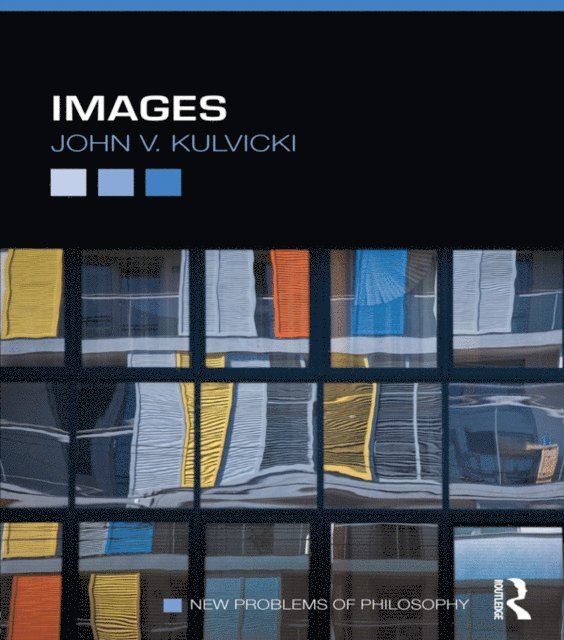
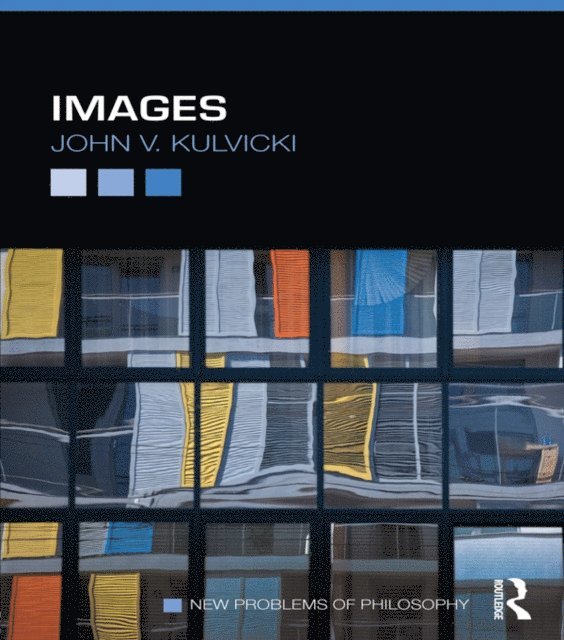
Images
Inbunden, 2013
2744 kr
Lägg i varukorg
The nature of representation is a central topic in philosophy. This is the first book to connect problems with understanding representational artifacts, like pictures, diagrams, and inscriptions, to the philosophies of science, mind, and art.Can images be a source of knowledge? Are images merely …
Images
Häftad, 2013
706 kr
Lägg i varukorg
The nature of representation is a central topic in philosophy. This is the first book to connect problems with understanding representational artifacts, like pictures, diagrams, and inscriptions, to the philosophies of science, mind, and art.Can images be a source of knowledge? Are images merely …
Images
E-bok, 2013
831 kr
Lägg i varukorg
The nature of representation is a central topic in philosophy. This is the first book to connect problems with understanding representational artifacts, like pictures, diagrams, and inscriptions, to the philosophies of science, mind, and art. Can images be a source of knowledge? Are images merely …
Images
E-bok, 2013
831 kr
Lägg i varukorg
The nature of representation is a central topic in philosophy. This is the first book to connect problems with understanding representational artifacts, like pictures, diagrams, and inscriptions, to the philosophies of science, mind, and art. Can images be a source of knowledge? Are images merely …