John Pike – författare
Visar alla böcker från författaren John Pike. Handla med fri frakt och snabb leverans.
22 produkter
22 produkter
Häftad, Engelska, 2025
211 kr
Skickas
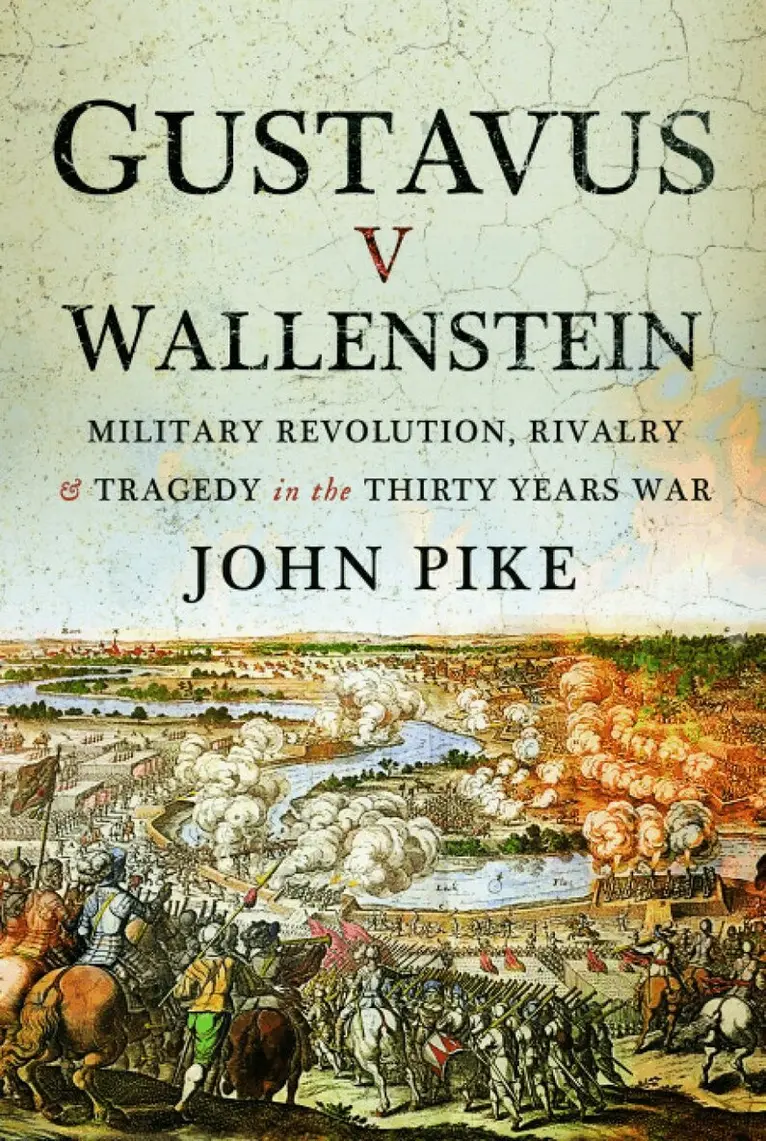
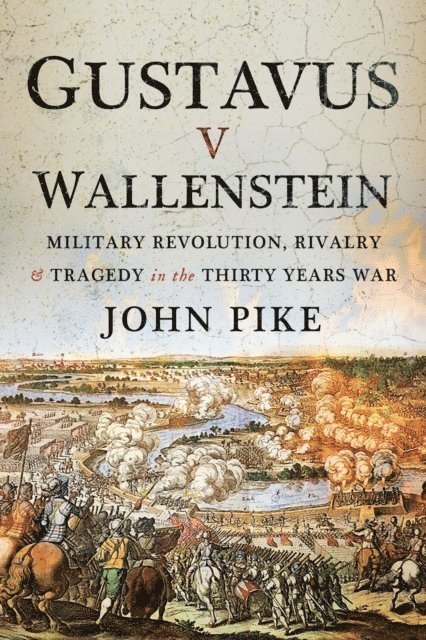
The book described the conflict, personal rivalry and contrast in personality, generalship and command, between the two iconic commanders in the Thirty Years War, King Gustavus Adolphus of Sweden for the Protestant powers, and Albrecht von Wallenstein, Duke of Friedland. More than just commanders at the tactical level they were statesmen, military organisers and strategists on a continental scale. Both commanders represented the 17th-century ‘military revolution in action’. The writing is vivid, graphic and detailed, without overloading, and readers can feel ‘involved’ in the action, from strategic planning to battlefield tactics, and even the melee. Both generals are titanic figures, and their respective deaths - Gustavus heroically in battle and Wallenstein, murdered with the Emperor’s compliance – were dramatic highpoints in the long war. This is no hagiography, and the author analyses the contrasting reputations of two of the greatest military figures in modern history and analyses mistakes as well their triumphs. Both commanders’ understanding of the role of the modern state and finance as vital factors in the military revolution and modern warfare. A major contrast was Gustavus’s constant search for the tactical and strategic initiative compared to Wallenstein’s caution and patience and development of counter-punch defensive tactics. Exceptional for the period, a young warrior like an ‘Alexander’, Gustavus excelled in inspired battlefield leadership even at huge risk. Despite his death at Lutzen in 1632, he and his steadfast chancellor Oxenstierna, decisively defeated the Emperor’s attempt to subjugate the Empire and introduce the Catholic counter-reformation. Gustavus contributed hugely to the ending of Habsburg supremacy while advancing new concepts in modern war. His death ushered in his acolytes including generals Baner, Saxe-Weimar and Torstensson. Gustavus or Wallenstein, the greater of the two? The reader must judge but Napoleon included Gustavus in his list of ten greats with Julius Caesar, Hannibal Barca, and Alexander the Great.
Inbunden, Engelska, 1993
1 681 kr
Skickas inom 10-15 vardagar
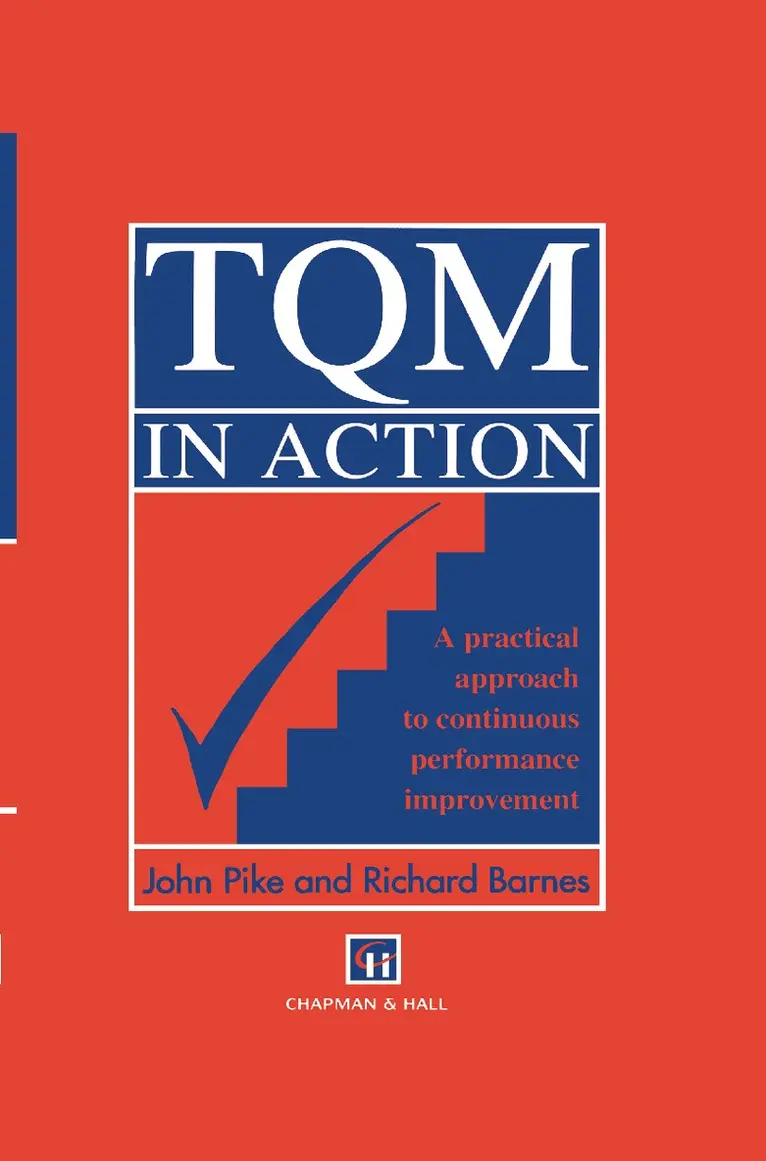
The principal aim of this book is to help practising managers to develop and implement a strategy for the introduction of Total Quality Management (TQM) within their own organizations. "TQM in Action" prvides a practical guide to the stages, key considerations and potential pitfalls of implementation. The book provides a template for implementation which should help managers get started and keep the process going. The authors recognize that the main difficulty encountered by managers in introducing TQM is changing "organization culture". The planning process outlined for TQM is therefore based on an examination of the prevailing culture. This allows individual organizations to tailor the installation process to their own needs rather than imposing a theoretical framework which may or may not fit.
Häftad, Engelska, 2019
723 kr
Skickas inom 5-8 vardagar
Inbunden, Engelska, 2019
1 083 kr
Skickas inom 5-8 vardagar
Häftad, Engelska, 2020
668 kr
Skickas inom 3-6 vardagar
Häftad, Engelska, 2020
785 kr
Skickas inom 3-6 vardagar
Häftad, Engelska, 2020
727 kr
Skickas inom 3-6 vardagar
Häftad, Engelska, 2020
668 kr
Skickas inom 3-6 vardagar
Häftad, Engelska, 2020
703 kr
Skickas inom 5-8 vardagar
Inbunden, Engelska, 2022
335 kr
Skickas inom 5-8 vardagar
Häftad, Engelska, 2022
175 kr
Skickas inom 5-8 vardagar
Häftad, Engelska, 2012
217 kr
Skickas inom 3-6 vardagar
Inbunden, Engelska, 2023
422 kr
Skickas
The conflict, personal rivalry and contrast in personality, generalship and command, between the two iconic commanders in the Thirty Years War, King Gustavus Adolphus of Sweden for the Protestant powers, and Albrecht von Wallenstein, Duke of Friedland. More than just commanders at the tactical level they were statesmen, military organisers and strategists on a continental scale. Both commanders represented the 17th-century military revolution in action'. The writing is vivid, graphic and detailed, without overloading, and readers can feel involved' in the action, from strategic planning to battlefield tactics, and even the melee. Both generals are titanic figures come, and their respective deaths - Gustavus heroically in battle and Wallenstein, murdered with the Emperor's compliance - were dramatic highpoints in the long war. This is no hagiography, and the author analyses the contrasting reputations of two of the greatest military figures in modern history and analyses mistakes as well their triumphs. Both commanders' understanding of the role of the modern state and finance as vital factors in the military revolution and modern warfare. A major contrast was Gustavus's constant search for the tactical and strategic initiative compared to Wallenstein's caution and patience and development of counter-punch defensive tactics. Exceptional for the period, a young warrior like an Alexander', Gustavus excelled in inspired battlefield leadership even at huge risk. Despite his death at Lutzen in 1632, he and his steadfast chancellor Oxenstierna, had decisively defeated the Emperor's attempt to subjugate the Empire and introduce the Catholic counter-reformation. Gustavus contributed hugely to the ending of Habsburg supremacy while advancing new concepts in modern war. His death ushered in his acolytes including generals Baner, Saxe-Weimar and Torstensson. Gustavus or Wallenstein, the greater of the two? The reader must judge but Napoleon included Gustavus in his list of ten greats with Julius Caesar, Hannibal Barca, and Alexander the Great.
Inbunden, Engelska, 2026
262 kr
Kommande
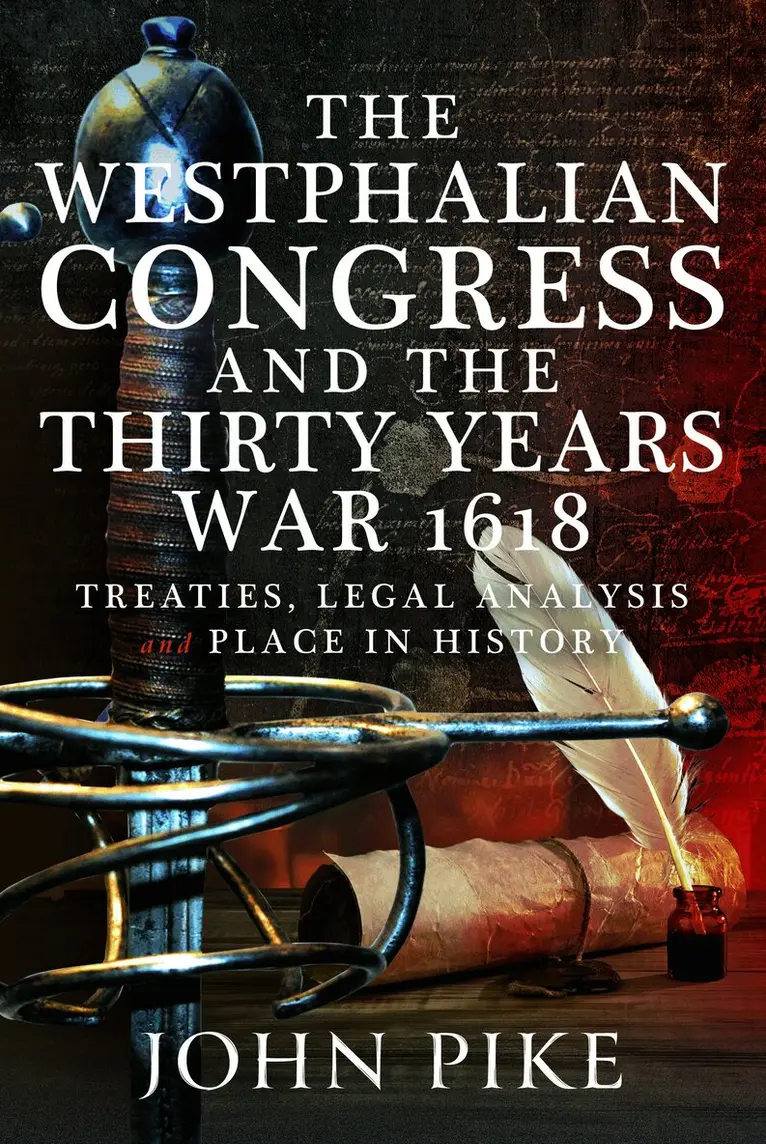
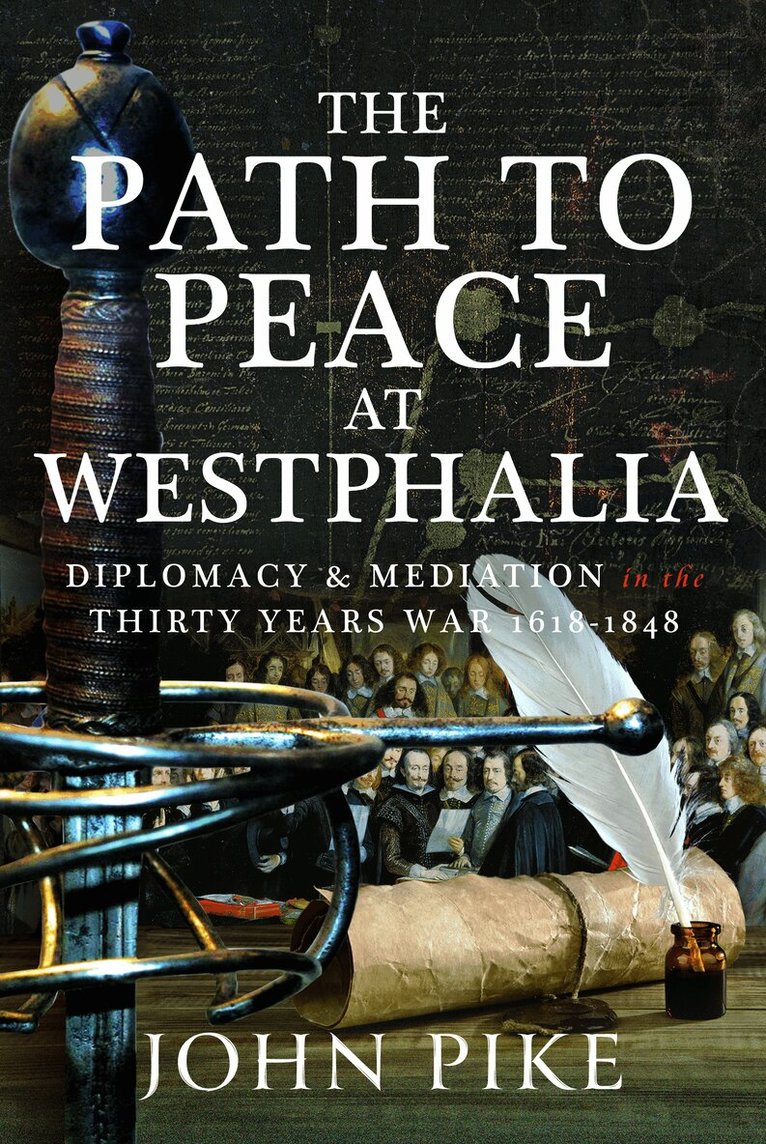
'War is diplomacy by other means, von Clausewitz's famous doctrine, so familiar to historians of war. But the Thirty Years War took a different course, and war was the prime action, and overtook and relegated diplomacy, and for the first time in European or global history a European conflict became a world war - a 'first world war'. It also involved, crucially, colonial rivalry and 'modern' war crimes.The Peace of Westphalia 1648 ended the war but there was no absolute victory even for the most powerful states and conflict continued up to peace negotiations until peace articles were finally agreed.The text analyses the course of war in graphic detail and the major actors and the role of international law, including Civil Law and Canon Law, and here the role of the Catholic church, and Protestant bodies, was crucial.All leading actors were present from major states - Mazarin (France), Oliveres (Spain), Salvius (Sweden), Charles V (Holy Roman Empire), and host of rulers, states and statelets and the powerful and ruthless Dutch Republic. Great military commanders were major actors including kings (not the great Gustavus Adolphus, who personified the war and was killed in battle in1632), and the most successful Torstenson (Sweden) .The treaties leading to Westphalia from 1622 to 1648 reflect the course of war and were complex and 'modern' involving human rights, religious toleration, war law, freedom of the seas, refugees, property rights, and perhaps above all, colonial rivalry and expansion. So Westphalia occupies a crucial place in diplomatic and war history and is relevant to modern and even contemporary history.
Inbunden, Engelska, 2025
262 kr
Skickas
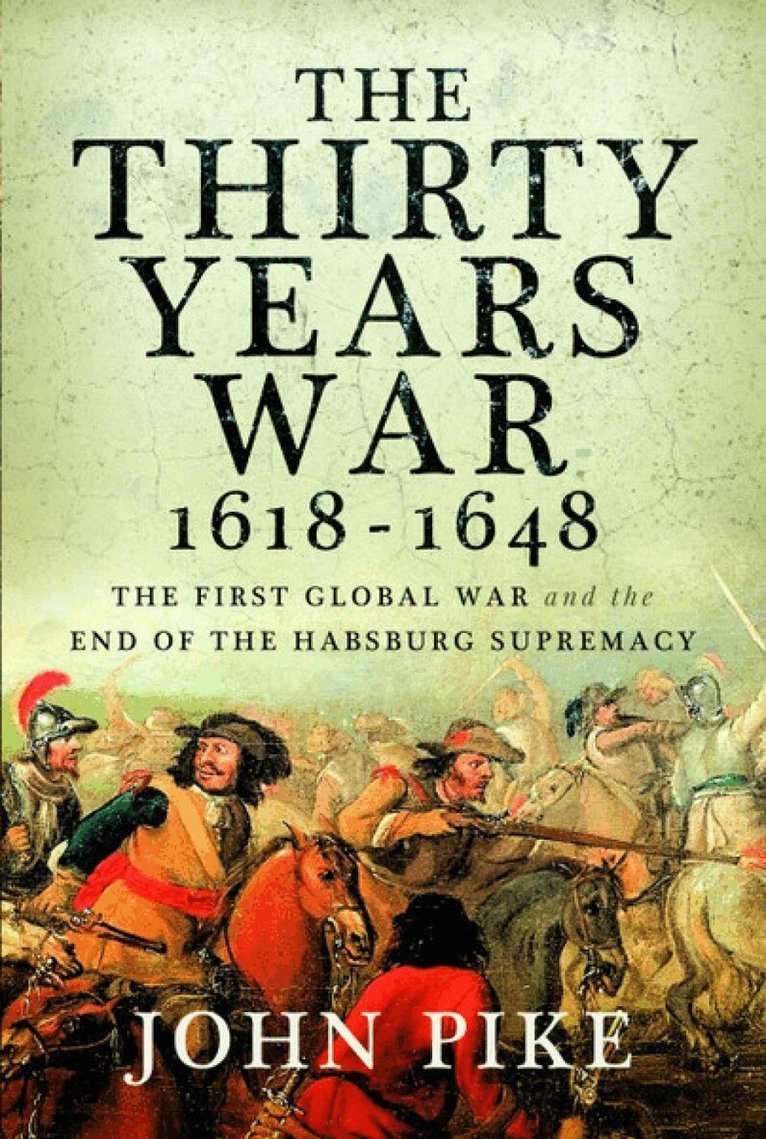
A graphic study of military and military revolution in the pivotal 17th century in the context of the Thirty Years War, shown by dramatic battle scenes, personal, heroic and tragic for all levels of society, and all strikingly brought to life. The first 'world war' in Europe was a global conflict, showing that early modern war, despite the Enlightenment argument which contrasts medieval military brutality with modern mores, early modern warfare was full of horror and innocent suffering, reinforced modern weaponry and state support. With striking quotes from commanders to foot-soldiers, readers feel 'involved' and the story moves from battle-field tactics to strategy, Grand Strategy and international relations. Here is the modern military state at the heart of the 17th century military evolution and revolution leading to modern and contemporary international warfare.
536 kr
Skickas inom 3-6 vardagar
E-bok
Engelska, 2023163 kr
Läs direkt efter köp
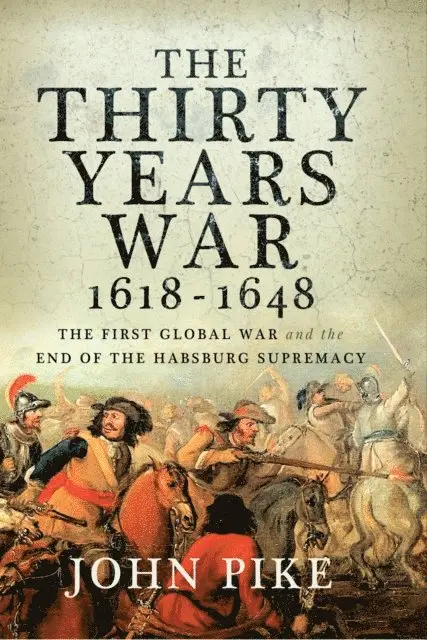
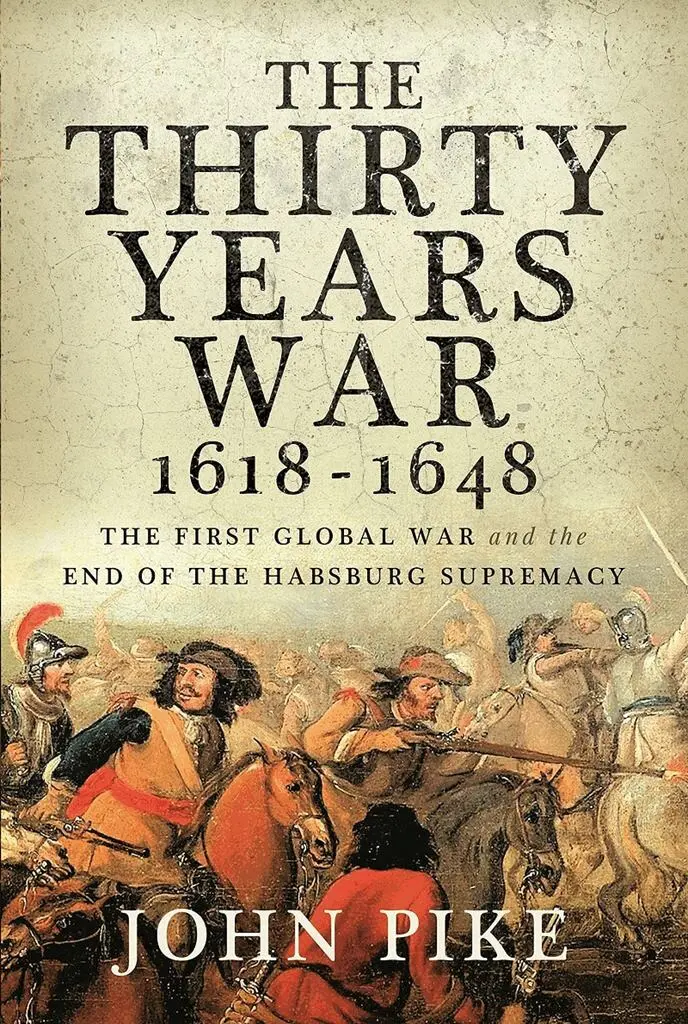
The ''Defenestration of Prague'', the coup d''etat staged by Protestant Bohemian nobles against officials of the Hapsburg Emperor triggered the Thirty Years War. When Habsburg Spain intervened in support of their Holy Roman Emperor relative, what had started as a localised political and religious dispute in Germany, transformed into a European and global conflict. In seeking to exploit the Bohemian revolt, Spanish Habsburg revanchist ambitions directed by the Spanish Count of Olivarez at the economically powerful Dutch Republic were allied with the Habsburg Emperor’s counter-reformation ambitions. After the Bohemian defeat at the White Mountain in 1620 the war widened as the Dutch Republic, England, Transylvania, Denmark, Sweden, and Richelieu’s France all intervened to roll back Habsburg hegemony and restore the balance power. There was extensive fighting across the globe, as the Dutch and English sought to challenge the Spanish Habsburg global monopoly. These colonial wars were a major factor in the Iberian revolutions with brought down the Habsburg Imperium. Professor Charles Boxer called it: “the first world war”. It was a tragic war of attrition but also an epic story of remarkable individuals including the ''titans’ of the era,'' Imperial General Wallenstein, warrior King Gustavus, sinister Count Olivarez, and the masters of international intrigue, realpolitik and diplomacy- Cardinals Richelieu and Mazarin. Above all there were the decisive victories of the under-sung military genius of the era, Lennart Torstensson. The Treaties of Westphalia followed a war which not only changed the global balance of power, but accelerated over thirty years the transformation of the European continent from a world characterized by dynasties and the medieval concept of United Christendom to a European order that was recognisably modern.
E-bok
PDF, Engelska, 2023163 kr
Läs direkt efter köp
The ''Defenestration of Prague'', the coup d''etat staged by Protestant Bohemian nobles against officials of the Hapsburg Emperor triggered the Thirty Years War. When Habsburg Spain intervened in support of their Holy Roman Emperor relative, what had started as a localised political and religious dispute in Germany, transformed into a European and global conflict. In seeking to exploit the Bohemian revolt, Spanish Habsburg revanchist ambitions directed by the Spanish Count of Olivarez at the economically powerful Dutch Republic were allied with the Habsburg Emperor’s counter-reformation ambitions. After the Bohemian defeat at the White Mountain in 1620 the war widened as the Dutch Republic, England, Transylvania, Denmark, Sweden, and Richelieu’s France all intervened to roll back Habsburg hegemony and restore the balance power. There was extensive fighting across the globe, as the Dutch and English sought to challenge the Spanish Habsburg global monopoly. These colonial wars were a major factor in the Iberian revolutions with brought down the Habsburg Imperium. Professor Charles Boxer called it: “the first world war”. It was a tragic war of attrition but also an epic story of remarkable individuals including the ''titans’ of the era,'' Imperial General Wallenstein, warrior King Gustavus, sinister Count Olivarez, and the masters of international intrigue, realpolitik and diplomacy- Cardinals Richelieu and Mazarin. Above all there were the decisive victories of the under-sung military genius of the era, Lennart Torstensson. The Treaties of Westphalia followed a war which not only changed the global balance of power, but accelerated over thirty years the transformation of the European continent from a world characterized by dynasties and the medieval concept of United Christendom to a European order that was recognisably modern.
Häftad, Engelska, 2025
211 kr
Skickas
The 'Defenestration of Prague', the coup d'etat staged by Protestant Bohemian nobles against officials of the Hapsburg Emperor triggered the Thirty Years War. When Habsburg Spain intervened in support of their Holy Roman Emperor relative, what had started as a localised political and religious dispute in Germany, transformed into a European and global conflict.In seeking to exploit the Bohemian revolt, Spanish Habsburg revanchist ambitions directed by the Spanish Count of Olivarez at the economically powerful Dutch Republic were allied with the Habsburg Emperor’s counter-reformation ambitions. After the Bohemian defeat at the White Mountain in 1620 the war widened as the Dutch Republic, England, Transylvania, Denmark, Sweden, and Richelieu’s France all intervened to roll back Habsburg hegemony and restore the balance power.There was extensive fighting across the globe, as the Dutch and English sought to challenge the Spanish Habsburg global monopoly. These colonial wars were a major factor in the Iberian revolutions with brought down the Habsburg Imperium. Professor Charles Boxer called it: “the first world war”.It was a tragic war of attrition but also an epic story of remarkable individuals including the 'titans’ of the era,' Imperial General Wallenstein, warrior King Gustavus, sinister Count Olivarez, and the masters of international intrigue, realpolitik and diplomacy- Cardinals Richelieu and Mazarin. Above all there were the decisive victories of the under-sung military genius of the era, Lennart Torstensson.The Treaties of Westphalia followed a war which not only changed the global balance of power, but accelerated over thirty years the transformation of the European continent from a world characterized by dynasties and the medieval concept of United Christendom to a European order that was recognisably modern.
Inbunden, Engelska, 2026
313 kr
Skickas
All know about the 'defenestration of Prague', the coup d'etat staged by Bohemian nobles against the ruling officials of the Hapsburg empire, which triggered the Thirty Years War - a local dispute which started European and global conflict between the Spanish and Austrian Hapsburgs - the Hapsburg Imperium - the greatest power in Europe and the world - linked by the 'Spanish Road' stretching from Spain and Portugal to Austria, Italy, Germany, the Low Countries and with vast American, Asian and African empires, and buttressed by the Holy Roman Empire. But the 'Golden Age' was ending with threats to monopoly, economic downturn, revolts - as in Bohemia above - and rivalry from rising powers in Europe, especially the Dutch Republic, as a world colonial, economic power especially in international finance. This study shows that Imperial victory at Nordlingen (1634) was merely the prologue to Hapsburg disaster, and to the decisive change in global power politics with the rise of France as a great power under Richelieu and Louis XIII, French victory in Spain, the continuing power and rivalry of Sweden and the Protestant powers in German, and the financial power and imperial challenge of the Dutch Republic. The result was the greatest war of attrition in modern times and precursor of the wars of the 20th century. It is a truly tragic yet magnificent story of great men and women playing huge roles, including the 'titanic' Imperial general Wallenstein, but above all for the triumph of the under-sung yet most successful commander, Torstenson, on the Protestant side, He is a worthy successor to the legendary Gustavus Adolphus of Sweden. The final victory at Prague ended the conflict, where it had begun, with Imperial defeat and the destruction the Hapsburg imperium. The Treaty (Treaties) of Westphalia followed Hapsburg defeat and spiralling political and economic collapse, and great human suffering, following a war which changed the global balance of power for the whole modern era.
Inbunden, Engelska, 2024
262 kr
Skickas
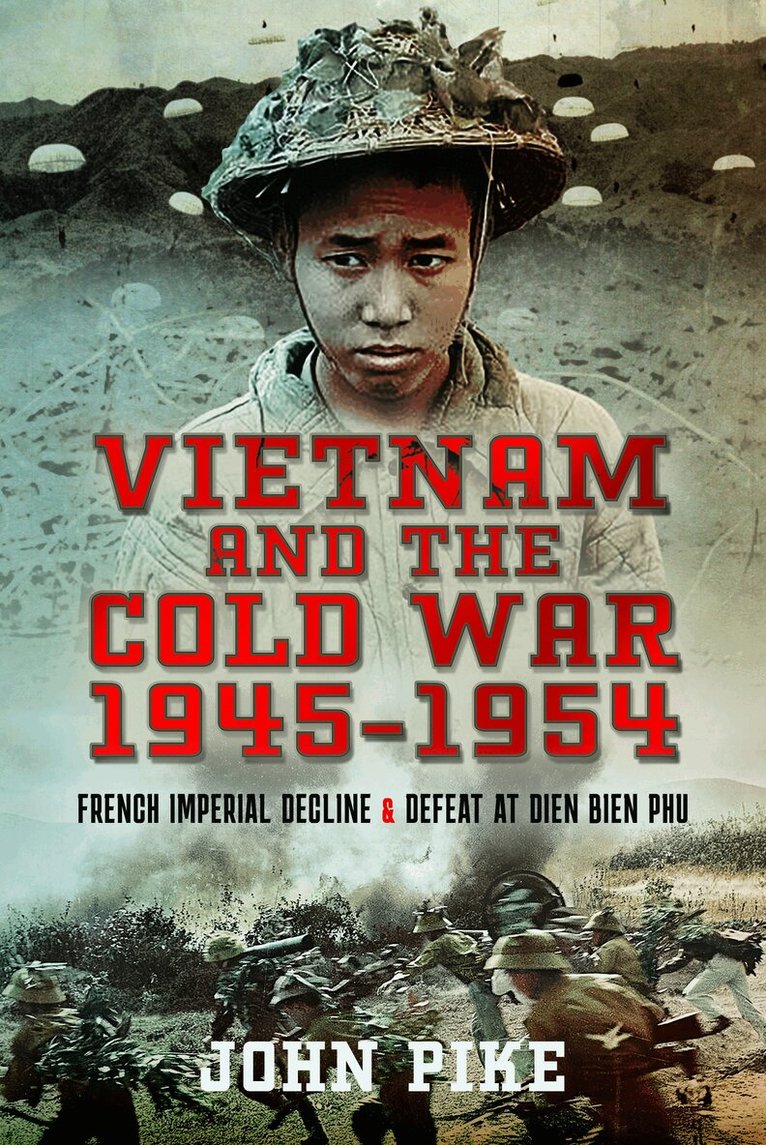
A forensic study of war, imperial history and international relations, following the Second World War and leading into the Cold War and defeat of Western imperialism in Asia. And above all, the story of the pivotal battle and French defeat at Dien Bien Phu. It shows France's revanchist attempt to regain imperial 'glory' in her former Asian empire following humiliation in the Second World War - defeat and Vichy. The effort was spurred by de Galle's chauvinism and desire to recover France’s honour and reputation, after so many humiliations by friend and foe. The Communist led Vietminh, were guided to victory by ruthless revolutionary Ho Chi Min - far from the attractive 'Uncle Ho' who is revered as a communist saint in contrast to louche playboy emperor Bao Dai – and the very able General Giap. Communist strength in rural Vietnam society - the Vietminh represented a nation in arms – was backed by supplies from Communist China and the Soviet Union. It was an existential struggle on the French side - the end of cafe society, and the gravy train for planters, officials, the military, and politicians. Military matters including General Giap’s strategy and tactics are analysed in detail,l but it was a 'soldiers' war', told at ground-level, and readers will feel the heat and fear of battle, be shocked at war crimes, and intrigued by the tales of Graham Greene et al. The global importance was not lost on the powers following exhaustion from world war and in the shadow of the Cold War. All great leaders were involved, Roosevelt, Truman, Eisenhower, Churchill, Stalin, Khruschev, Chou En-Lai and Mao Zedong, Under the shadow of the A bomb, a negotiated peace and first detent of the Cold War would end in the sumptuous salons of Geneva.
Inbunden, Engelska, 2023
364 kr
Tillfälligt slut
The 'Defenestration of Prague', the coup d'etat staged by Protestant Bohemian nobles against officials of the Hapsburg Emperor triggered the Thirty Years War. When Habsburg Spain intervened in support of their Holy Roman Emperor relative, what had started as a localised political and religious dispute in Germany, transformed into a European and global conflict.In seeking to exploit the Bohemian revolt, Spanish Habsburg revanchist ambitions directed by the Spanish Count of Olivarez at the economically powerful Dutch Republic were allied with the Habsburg Emperor's counter-reformation ambitions. After the Bohemian defeat at the White Mountain in 1620 the war widened as the Dutch Republic, England, Transylvania, Denmark, Sweden, and Richelieu's France all intervened to roll back Habsburg hegemony and restore the balance power.There was extensive fighting across the globe, as the Dutch and English sought to challenge the Spanish Habsburg global monopoly. These colonial wars were a major factor in the Iberian revolutions with brought down the Habsburg Imperium. Professor Charles Boxer called it: the first world war .It was a tragic war of attrition but also an epic story of remarkable individuals including the 'titans' of the era,' Imperial General Wallenstein, warrior King Gustavus, sinister Count Olivarez, and the masters of international intrigue, realpolitik and diplomacy- Cardinals Richelieu and Mazarin. Above all there were the decisive victories of the under-sung military genius of the era, Lennart Torstensson.The Treaties of Westphalia followed a war which not only changed the global balance of power, but accelerated over thirty years the transformation of the European continent from a world characterized by dynasties and the medieval concept of United Christendom to a European order that was recognisably modern.