John S McHugh – författare
Visar alla böcker från författaren John S McHugh. Handla med fri frakt och snabb leverans.
6 produkter
6 produkter
380 kr
Skickas inom 3-6 vardagar
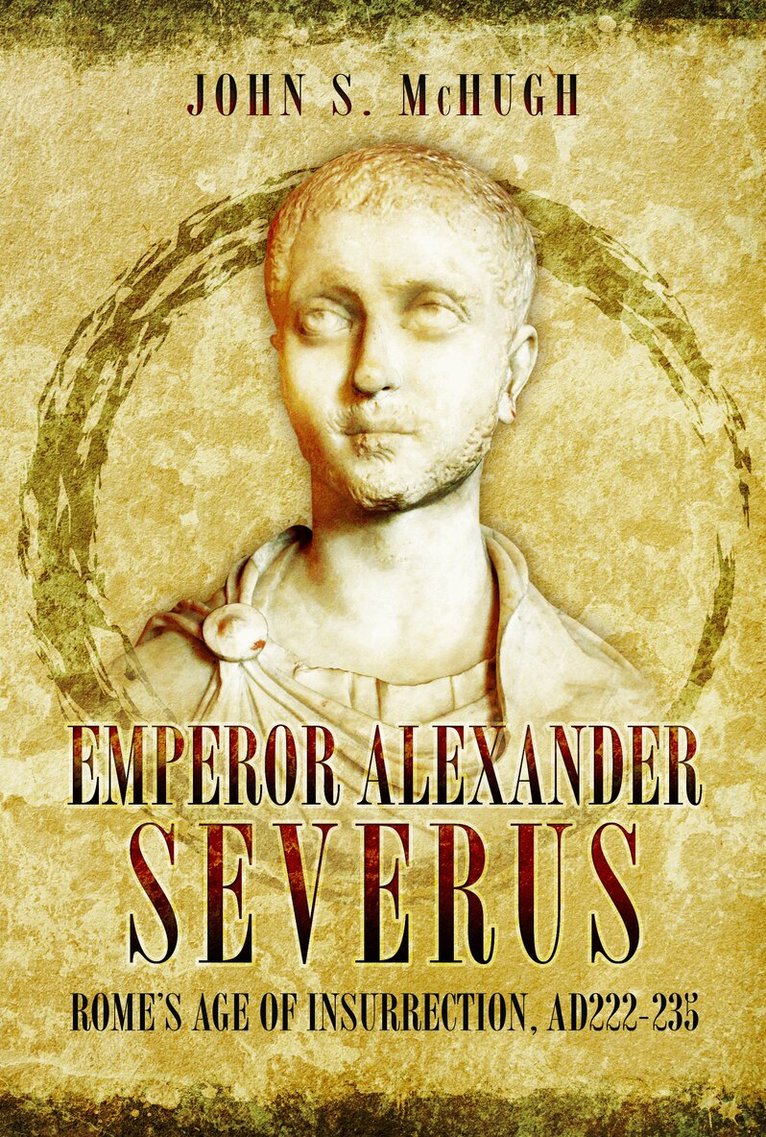
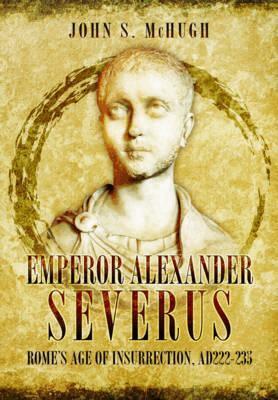
Alexander Severus' is full of controversy and contradictions. He came to the throne through the brutal murder of his cousin, Elagabalus, and was ultimately assassinated himself. The years between were filled with regular uprisings and rebellions, court intrigue (the Praetorian Guard slew their commander at the Emperor's feet) and foreign invasion. Yet the ancient sources generally present his reign as a golden age of just government, prosperity and religious toleranceNot yet fourteen when he became emperor, Alexander was dominated by his mother, Julia Mammaea and advisors like the historian, Cassius Dio. In the military field, he successfully checked the aggressive Sassanid Persians but some sources see his Persian campaign as a costly failure marked by mutiny and reverses that weakened the army. When Germanic and Sarmatian tribes crossed the Rhine and Danube frontiers in 234, Alexander took the field against them but when he attempted to negotiate to buy time, his soldiers perceived him as weak, assassinated him and replaced him with the soldier Maximinus Thrax. John McHugh re-assesses this fascinating emperor in detail.
265 kr
Skickas
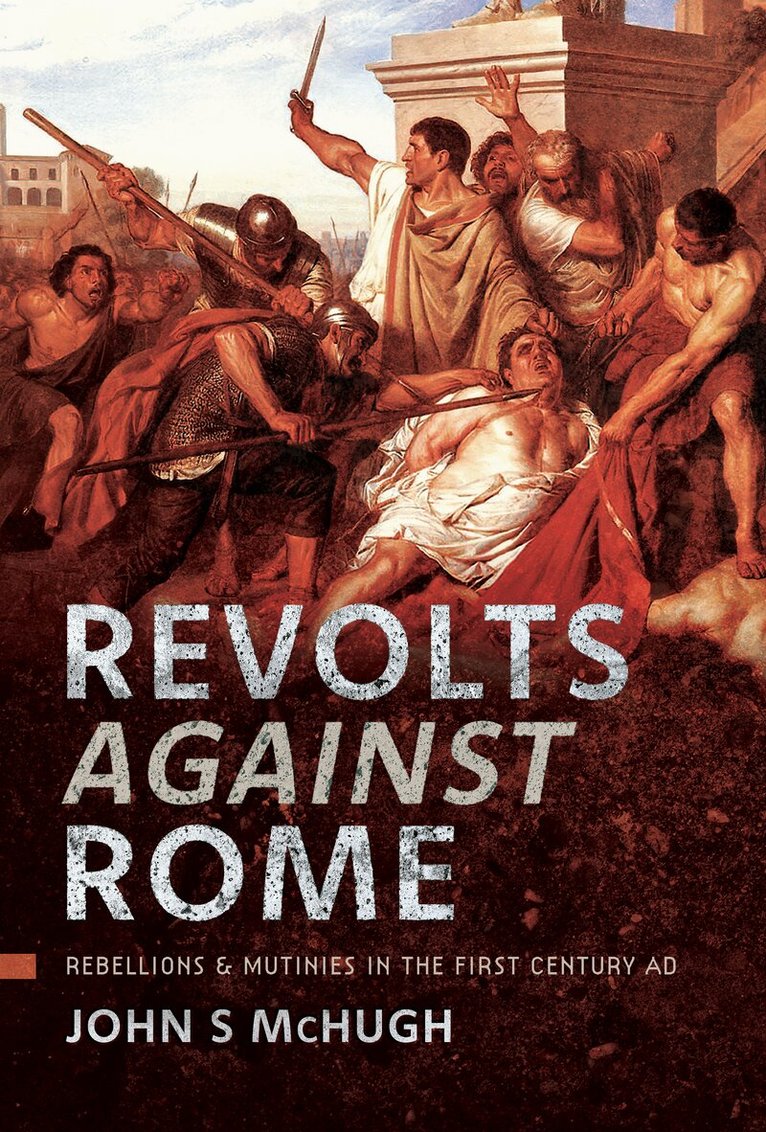
Throughout the first century AD, the emperors of Rome faced various threats to their rule from ambitious or embittered nobles. However, events show the Roman legionaries to be tenaciously loyal to the Julio-Claudian dynasty. The murder of Nero, the last of his dynasty, unleashed chaos where allegiance was bought by ‘the madness of the leading men.’ The troops, increasingly recruited from men who had never seen Italy, were often happy to draw their swords in support of a provincial governor against an emperor who was himself a victorious usurper. If successful in raising their own candidate to ‘the purple’ they could expect the gratitude to be tangible and spendable. Mutinies were rare and often caused by changes to conditions of service or harsh discipline which demeaned the soldier’s status and honour. This is the story of the common soldier and their often ruthless and brutal commanders.John McHugh examines each of the major cases of armed rebellion or military mutiny during the first century. Skilfully intertwined with the narrative of these dramatic and usually bloody events is his analysis of the underlying causes and the varying degrees of success in the face of the Imperial response to these threats.
Rome's Enemies Within
Imperial Conspiracies and Assassinations in the Roman Empire during the First Century AD
Inbunden, Engelska, 2024
265 kr
Skickas
The greatest danger to Roman Emperors was the threat of deadly conspiracies arising among the Senate, the Imperial Court or even their own families All the emperors that reigned from Augustus to the end of the 1st century AD faced such efforts to overthrow or assassinate them. John McHugh uncovers these conspiracies, narrating them and seeking to explain them. The underlying cause in many cases was the decline in influence, patronage and status granted by emperors to the Senatorial class, leading some to seek power for themselves or a more generous candidate. Attempted assassinations or coups led the Emperors to be mistrust the senate and rely more on freedmen, causing more resentment. Paranoid emperors often reacted to the merest hint of treason, real or imagined, with punishments and executions, leading more of those around them to consider desperate measures out of self-preservation. And of course, amid this vicious circle of poisonous mistrust, there were ambitious family members promoting their own (or their offspring’s) claims to the purple, and the duplicitous Praetorian Guard. John McHugh brings to light a century of assassination, conspiracy and betrayal, exploring the motives and aims of the plotters and the bloody cost of success or failure.
273 kr
Tillfälligt slut
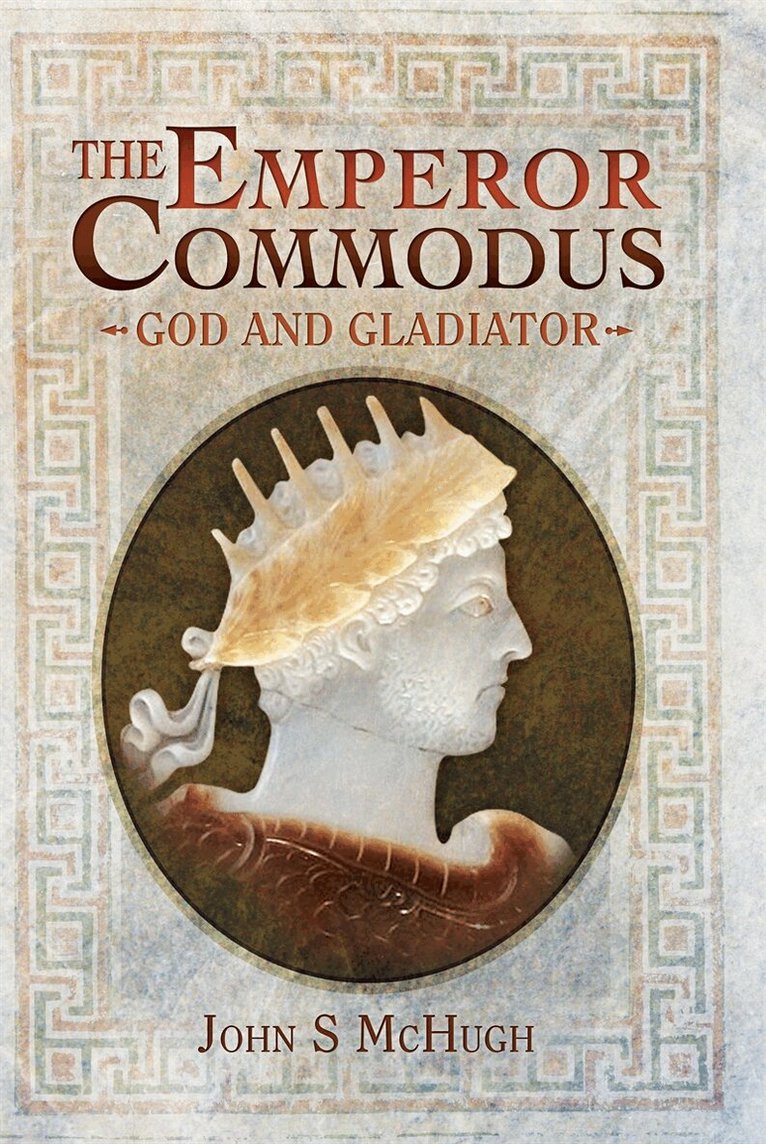
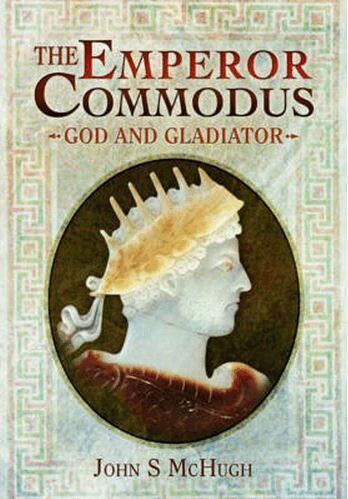
Commodus is synonymous with debauchery and megalomania, best remembered for fighting as a gladiator. Ridiculed and maligned by historians since his own time, modern popular culture knows him as the patricidal villain in Ridley Scott's Gladiator. Much of his infamy is clearly based on fact, but is this the full story? John McHugh reviews the ancient evidence to present the first full-length biography of Commodus in English. His twelve-year reign is set in its historical context, showing that the 'kingdom of gold' he supposedly inherited was actually an empire devastated by plague and war. Openly autocratic, Commodus compromised the privileges and vested interests of the senatorial clique, who therefore plotted to murder him. Surviving repeated conspiracies only convinced Commodus that he was under divine protection, increasingly identifying himself as Hercules reincarnate. This and his antics in the arena allowed his senatorial enemies to present Commodus as a mad tyrant to justify his murder, which they finally succeeded in arranging by having him strangled by a wrestler.
265 kr
Tillfälligt slut
Alexander Severus' is full of controversy and contradictions. He came to the throne through the brutal murder of his cousin, Elagabalus, and was ultimately assassinated himself. The years between were filled with regular uprisings and rebellions, court intrigue (the Praetorian Guard slew their commander at the Emperor's feet) and foreign invasion. Yet the ancient sources generally present his reign as a golden age of just government, prosperity and religious tolerance Not yet fourteen when he became emperor, Alexander was dominated by his mother, Julia Mammaea and advisors like the historian, Cassius Dio. In the military field, he successfully checked the aggressive Sassanid Persians but some sources see his Persian campaign as a costly failure marked by mutiny and reverses that weakened the army. When Germanic and Sarmatian tribes crossed the Rhine and Danube frontiers in 234, Alexander took the field against them but when he attempted to negotiate to buy time, his soldiers perceived him as weak, assassinated him and replaced him with the soldier Maximinus Thrax. John McHugh re-assesses this fascinating emperor in detail.
273 kr
Skickas
The figure of Sejanus has fascinated from ancient to more modern times. Sejanus, the emperor Tiberius' infamous Praetorian Prefect, is synonymous with over-reaching ambition, murder, conspiracy and betrayal. According to the traditional storyline, this man craved the imperial throne for himself and sought it by isolating the naive emperor in his island pleasure palace on Capri whilst using his control over the Praetorian Guard, coupled with his immense power and influence in Rome, to purge the capital of potential opponents. His victims supposedly included the emperor's son, Drusus, poisoned by his own wife who had been seduced by Sejanus. The emperor, forewarned of Sejanus' ambition, struck first. The Prefect was arrested in the Senate, strangled and his corpse cast down the Gemonian Stairs.Study of Sejanus has generally been overshadowed by focus on Tiberius. John McHugh makes a fresh appraisal of the sources to offer the first full-length study in English to focus on this highly influential figure and his development of the Praetorian Prefecture.