John Spencer Hill – författare
Visar alla böcker från författaren John Spencer Hill. Handla med fri frakt och snabb leverans.
9 produkter
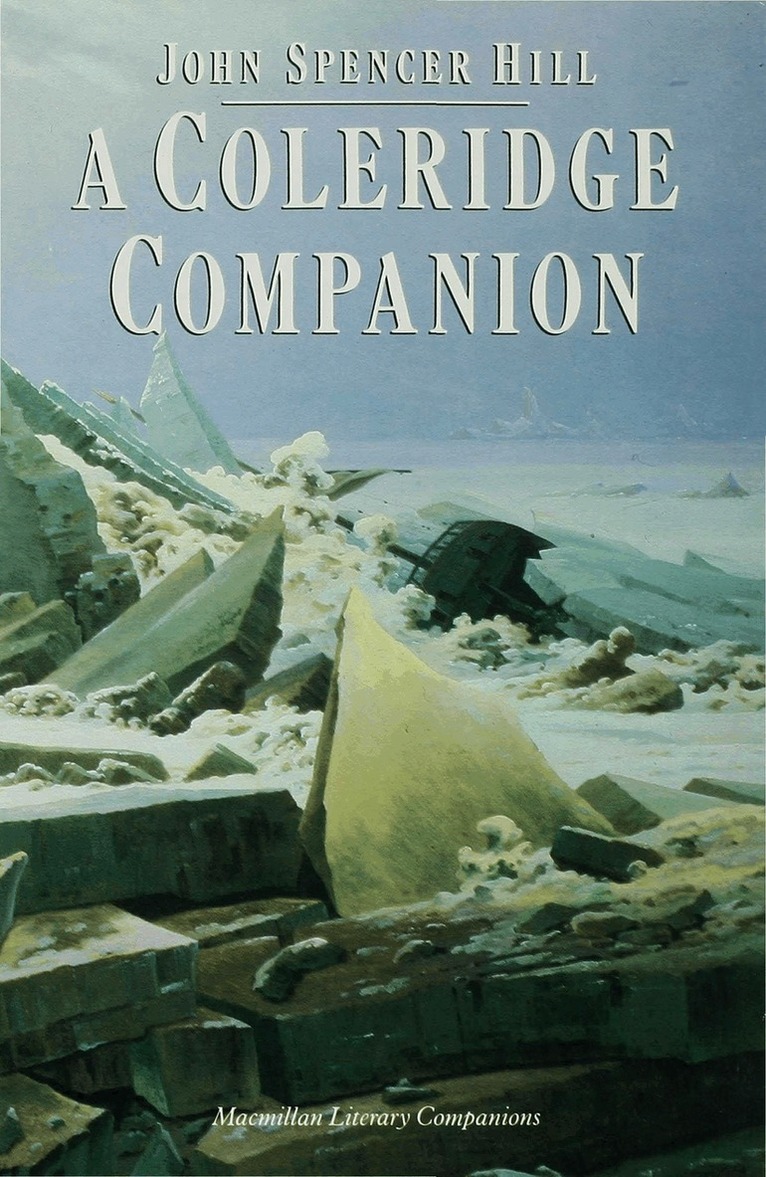
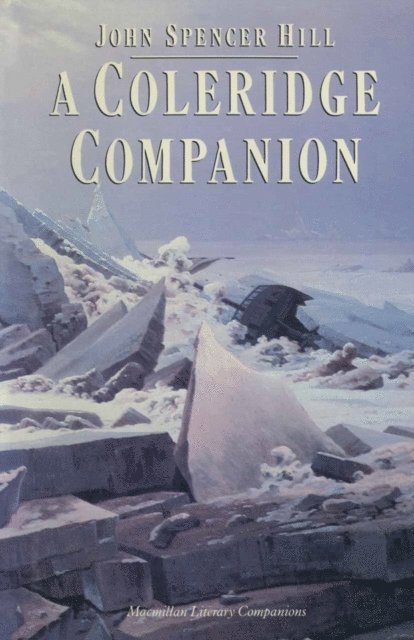
Coleridge Companion
An Introduction to the Major Poems and the Biographia Literaria
Inbunden, 1984
1885 kr
Lägg i varukorg
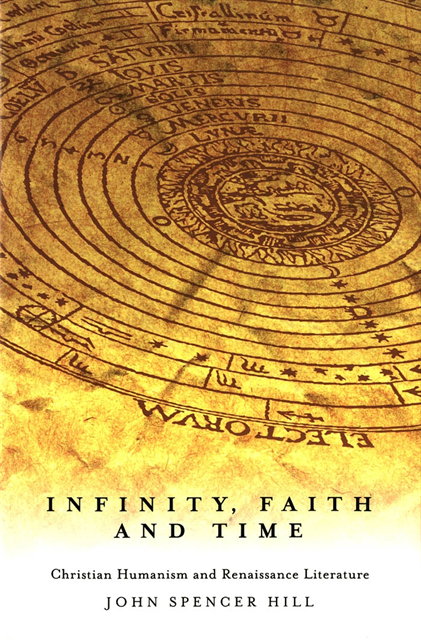
Infinity, Faith, and Time
Christian Humanism and Renaissance Literature
E-bok, 1997
1197 kr
Lägg i varukorg
In Part 1 Hill examines the effect of the idea of spatial infinity on seventeenth-century literature, arguing that the metaphysical cosmology of Nicholas of Cusa provided Renaissance writers, such as Pascal, Traherne, and Milton, with a way to construe the vastness of space as the symbol of human …
Annals of Shrewsbury School
Av George William Fisher, John Spencer Hill
Inbunden, 2015
632 kr
Lägg i varukorg
Coleridge Companion
An Introduction to the Major Poems and the Biographia Literaria
E-bok, 1984
2579 kr
Lägg i varukorg
Romantic Imagination
E-bok, 1977
592 kr
Lägg i varukorg
This is a Bloomsbury Academic title. For our full Academic Catalogue, please visit https://www.bloomsbury.com/uk/academic/
Keats: The Narrative Poems
E-bok, 1983
610 kr
Lägg i varukorg
This is a Bloomsbury Academic title. For our full Academic Catalogue, please visit https://www.bloomsbury.com/uk/academic/
Infinity, Faith, and Time
Christian Humanism and Renaissance Literature
Inbunden, 1997
1612 kr
Tillfälligt slut
In Part 1 Hill examines the effect of the idea of spatial infinity on seventeenth-century literature, arguing that the metaphysical cosmology of Nicholas of Cusa provided Renaissance writers, such as Pascal, Traherne, and Milton, with a way to construe the vastness of space as the symbol of human …