John Turpin - Böcker
Visar alla böcker från författaren John Turpin. Handla med fri frakt och snabb leverans.
9 produkter
9 produkter
1 656 kr
Kommande
1 656 kr
Kommande
1 656 kr
Kommande
1 656 kr
Kommande
1 656 kr
Kommande
8 284 kr
Tillfälligt slut
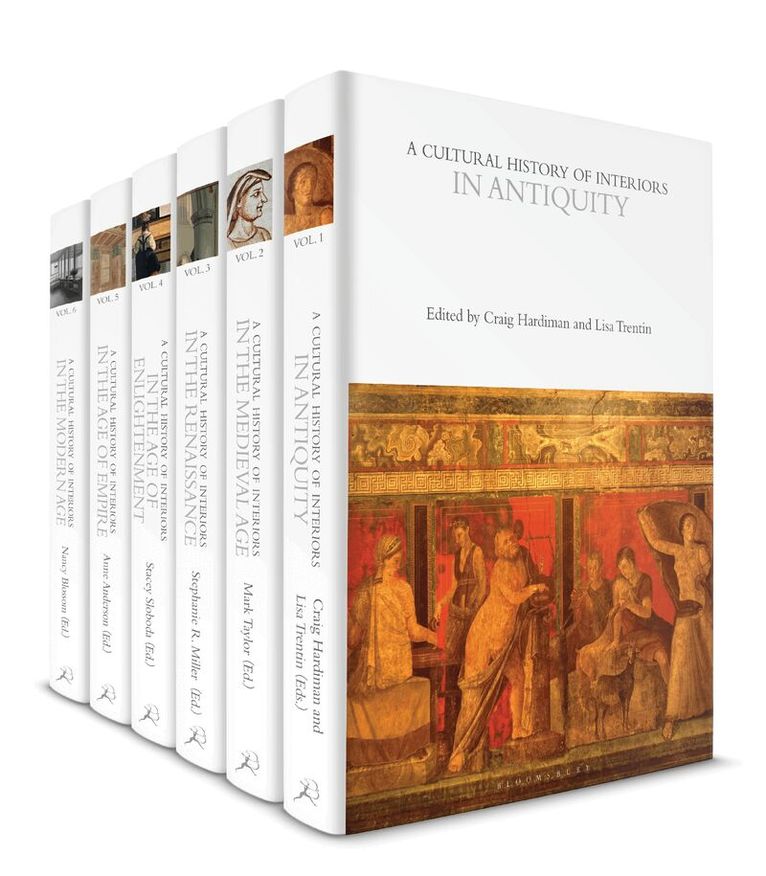
How have interior spaces been affected by changing aesthetic philosophies and shifts in Western culture from antiquity to the present day? How have processes, materials and technologies evolved and shaped trends in interior fashion? In a work that spans 4,500 years, these ambitious questions are addressed by 55 experts, each contributing their overview of a theme applied to a period in history. The volumes locate the interior within its evolving social, cultural and design contexts, taking into account global movements as well as changes in the private sphere to provide a thorough understanding its relationship with art and society.Individual volume editors ensure the cohesion of the whole, and to make it as easy as possible to use, chapter titles are identical across each of the volumes. This gives the choice of reading about a specific period in one of the volumes, or following a theme across history by reading the relevant chapter in each of the six.The six volumes cover: 1. – Antiquity (2,500 BCE - 1000 AD); 2. –Medieval Age (1000 - 1400); 3. – Renaissance (1400 - 1650) ; 4. – Age of Enlightenment (1650 - 1800); 5. – Age of Empire (1800 - 1920); 6. – Modern Age (1920 – 2000+).Themes (and chapter titles) are: Expressions of Beauty; Technological Advancements; Designers, Professions, and Trades; Global Movements; Private Spaces; Public Spaces; Gender and Sexuality; The Interior in the Arts.The page extent is approximately 1,800pp with c. 360 illustrations. Each volume opens with Notes on Contributors, a series preface and an introduction, and concludes with Notes, Bibliography and an Index.The Cultural Histories SeriesA Cultural History of Interiors is part of The Cultural Histories Series. Titles are available both as printed hardcover sets for libraries needing just one subject or preferring a one-off purchase and tangible reference for their shelves, or as part of a fully-searchable digital library available to institutions by annual subscription or on perpetual access (see www.bloomsburyculturalhistory.com).
183 kr
Skickas
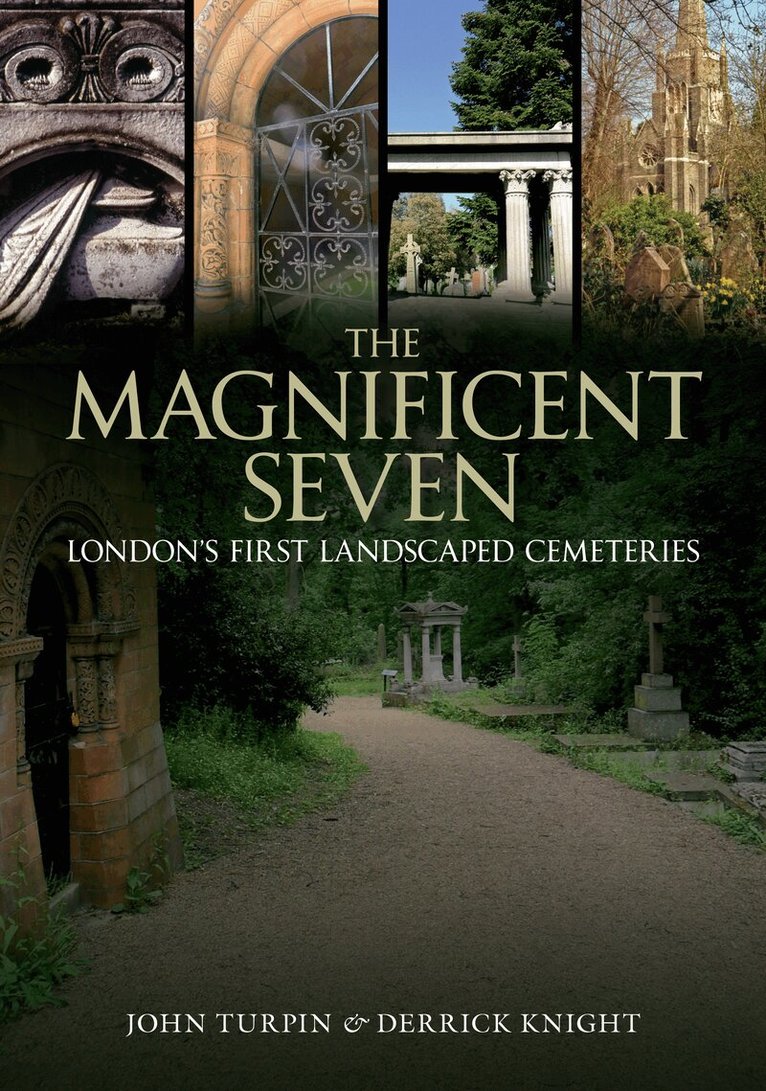
A ring of spectacular cemeteries, developed at the edges of London in the decade from 1832, have long been referred to as The Magnificent Seven. At the time, they set a new aesthetic for the burial of the dead, and remain rich in social history and beauty to this day. It was entrepreneurs, rather than the religious authorities, who responded to the squalor of the City's brimming churchyards by fi nancing seemly, hygienic concepts of burial in the rural outskirts, now embraced by inner London. The Seven became showcases for neoclassical and neo-Gothic architecture, matched by splendid - sometimes eccentric - memorials recording Victorian society, and the sweep of London's history to the present day. From grand Kensal Green in the west to modest Tower Hamlets in the east; from heady Highgate to charming Norwood and Nunhead; and from the military influences of Brompton to the Non-conformist woodland of Abney Park - a host of characters and stories are visited in this distinctive coverage of the subject.
198 kr
Skickas inom 5-8 vardagar
History Of The Royal Hibernian Academy
Volume One 1823-1916 and Volume Two 1916-2010
Inbunden, Engelska, 2018
1 083 kr
Skickas inom 11-20 vardagar
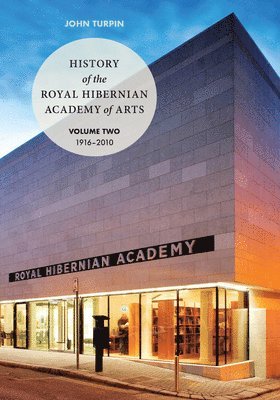
The annual exhibitions of the Royal Hibernian Academy of Arts, founded in 1823 and still active today, provided a bridge between the Irish artist and the public, including critics and collectors. The Academy also ran the main art school for aspiring artists in the nineteenth century. During the Easter Rising of 1916 its galleries and school in Lower Abbey Street were destroyed by fire. It survived in borrowed space, but faced major challenges from modernism in the visual arts. By the end of the twentieth century it had redefined its role in its new gallery in Ely Place, opened, still incomplete, in 1985. The narrative of this stunning compendium is one of change, conflict and adaption. The book is divided into two volumes that describe two different political, social and artistic worlds: Volume One (1823-1916), and Volume Two (1916-2010).