John Walbridge – författare
Visar alla böcker från författaren John Walbridge. Handla med fri frakt och snabb leverans.
7 produkter
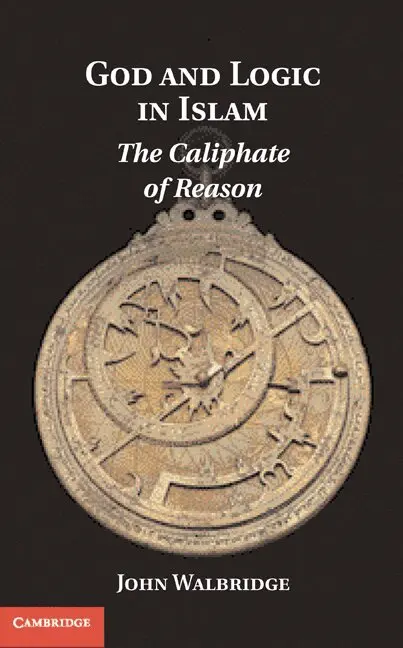
God and Logic in Islam
The Caliphate of Reason
Inbunden, 2010
1579 kr
Lägg i varukorg
This book investigates the central role of reason in Islamic intellectual life. Despite widespread characterization of Islam as a system of belief based only on revelation, John Walbridge argues that rational methods, not fundamentalism, have characterized Islamic law, philosophy and education …
The Thread of Mu?awiya: The Making of the Marj?aiya
Av Linda Strickland Walbridge, John Walbridge
Häftad
275 kr
Lägg i varukorg
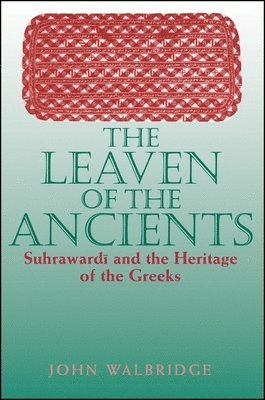
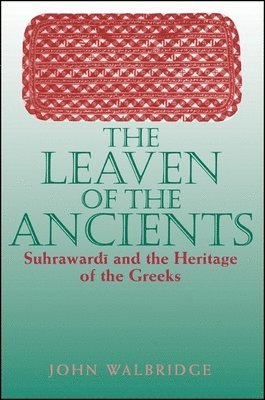
Leaven of the Ancients
Suhrawardī and the Heritage of the Greeks
Häftad, 1999
487 kr
Lägg i varukorg
Provides an account of Islamic philosopher Suhrawardi's revival of Neoplatonism.The twelfth-century Persian philosopher Suhrawardī was the key figure in the transition of Islamic philosophy from the neo-Aristotelianism of Avicenna to the mystically oriented Islamic philosophy of later centuries. …
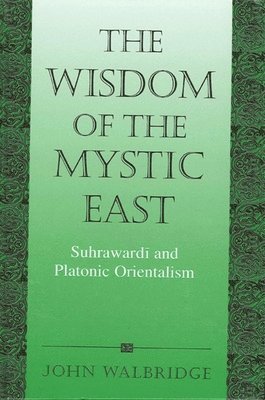
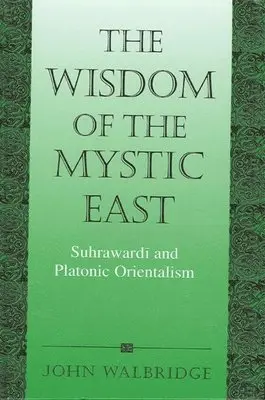
Wisdom of the Mystic East
Suhrawardī and Platonic Orientalism
Häftad, 2001
455 kr
Lägg i varukorg
An expert on the thought of medieval Islamic philosopher Suhrawardi argues that philosophers have romanticized this work as a revival of "oriental" wisdom.Twelfth-century Islamic philosopher Suhrawardī attempted to revive Platonism in an era of Avicennan Aristotelianism. Modern scholars have …
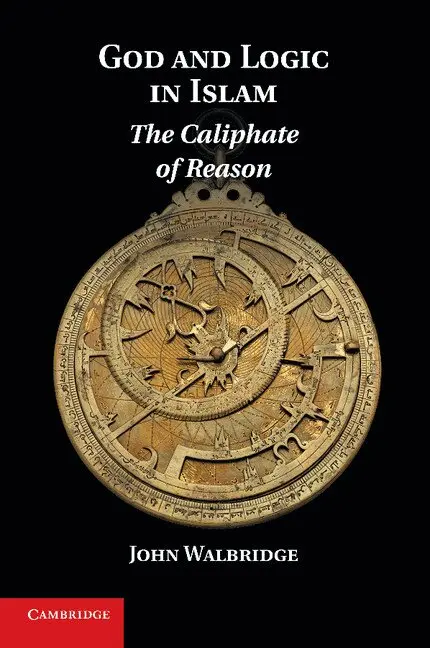
God and Logic in Islam
The Caliphate of Reason
Häftad, 2013
455 kr
Lägg i varukorg
This book investigates the central role of reason in Islamic intellectual life. Despite widespread characterization of Islam as a system of belief based only on revelation, John Walbridge argues that rational methods, not fundamentalism, have characterized Islamic law, philosophy and education …
Leaven of the Ancients
Suhrawardī and the Heritage of the Greeks
Inbunden, 1999
1111 kr
Tillfälligt slut
Provides an account of Islamic philosopher Suhrawardi's revival of Neoplatonism.The twelfth-century Persian philosopher Suhrawardī was the key figure in the transition of Islamic philosophy from the neo-Aristotelianism of Avicenna to the mystically oriented Islamic philosophy of later centuries. …
Wisdom of the Mystic East
Suhrawardī and Platonic Orientalism
Inbunden, 2001
1087 kr
Tillfälligt slut
An expert on the thought of medieval Islamic philosopher Suhrawardi argues that philosophers have romanticized this work as a revival of "oriental" wisdom.Twelfth-century Islamic philosopher Suhrawardī attempted to revive Platonism in an era of Avicennan Aristotelianism. Modern scholars have …