Jon D. Daehnke – författare
Visar alla böcker från författaren Jon D. Daehnke. Handla med fri frakt och snabb leverans.
5 produkter
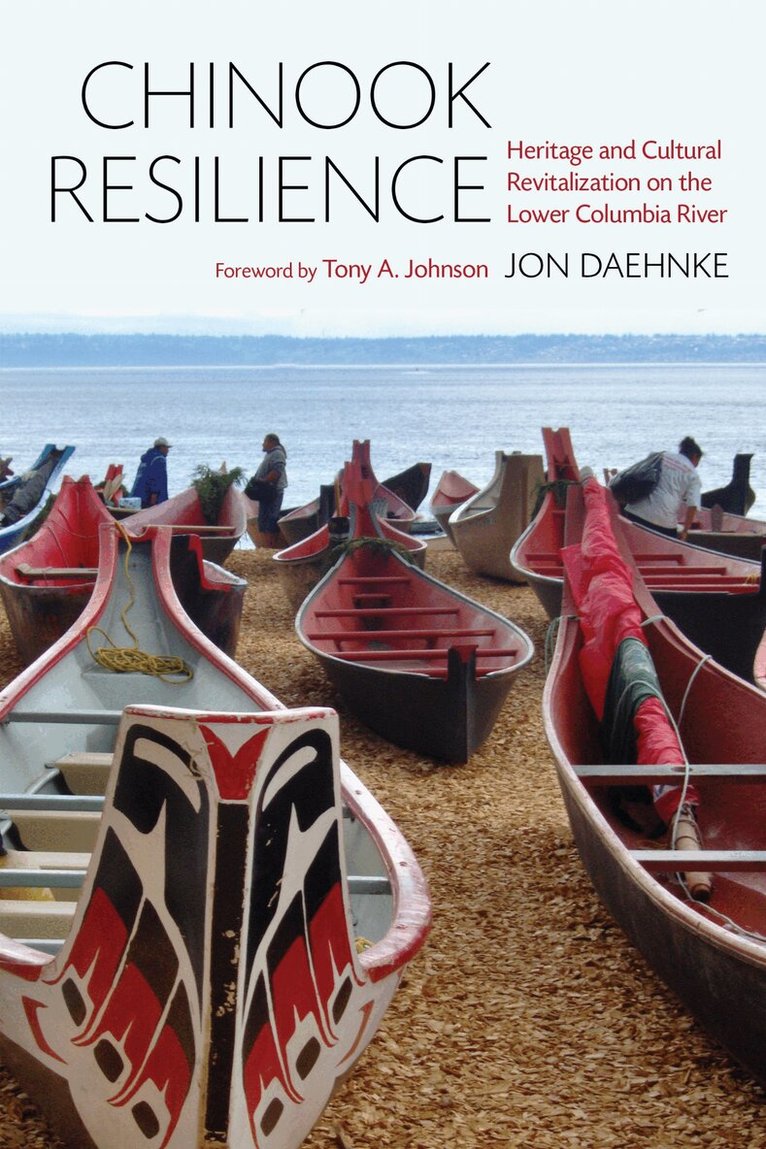
Chinook Resilience
Heritage and Cultural Revitalization on the Lower Columbia River
Inbunden, 2017
1819 kr
Lägg i varukorg
The Chinook Indian Nation—whose ancestors lived along both shores of the lower Columbia River, as well as north and south along the Pacific coast at the river’s mouth—continue to reside near traditional lands. Because of its nonrecognized status, the Chinook Indian Nation often faces challenges in …
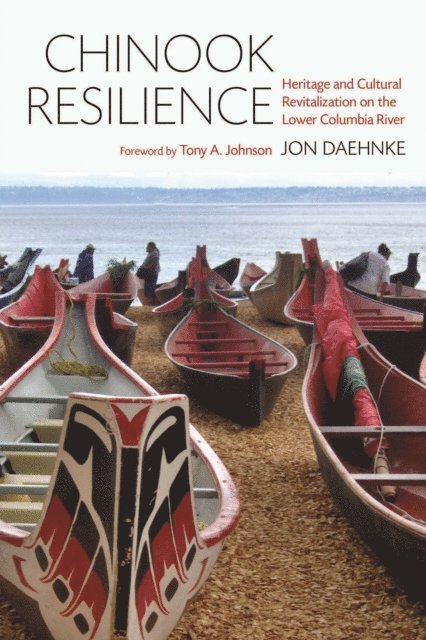
Chinook Resilience
Heritage and Cultural Revitalization on the Lower Columbia River
Häftad, 2017
471 kr
Lägg i varukorg
The Chinook Indian Nation—whose ancestors lived along both shores of the lower Columbia River, as well as north and south along the Pacific coast at the river’s mouth—continue to reside near traditional lands. Because of its nonrecognized status, the Chinook Indian Nation often faces challenges in …
Chinook Resilience
Heritage and Cultural Revitalization on the Lower Columbia River
E-bok, 2017
535 kr
Lägg i varukorg
The Chinook Indian Nation—whose ancestors lived along both shores of the lower Columbia River, as well as north and south along the Pacific coast at the river’s mouth—continue to reside near traditional lands. Because of its nonrecognized status, the Chinook Indian Nation often faces challenges in …
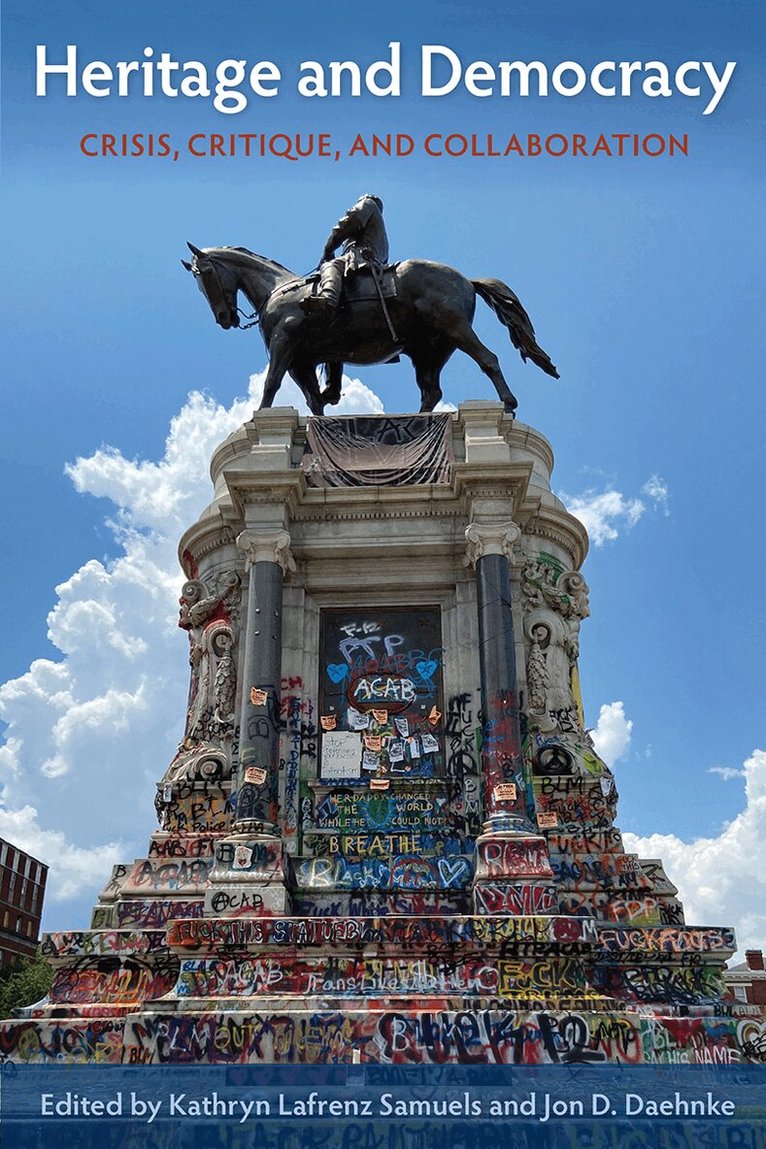
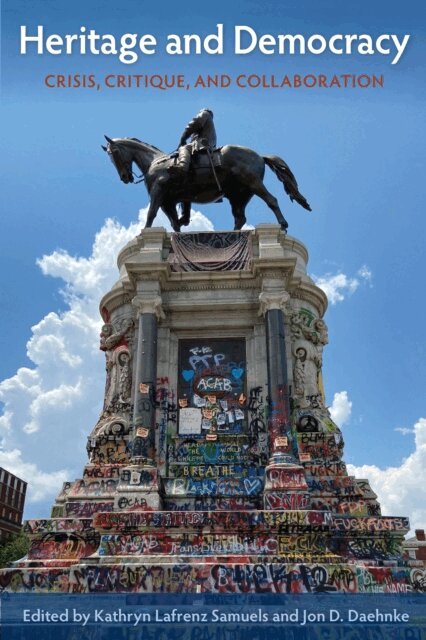
Heritage and Democracy
Crisis, Critique, and Collaboration
Av Kathryn Lafrenz Samuels, Jon D. Daehnke
Inbunden, 2023
1052 kr
Lägg i varukorg
Examining cultural heritage within the context of democracyCultural heritage is a powerful tool in society, capable of producing both social harms as well as social goods and benefits, which can be distributed unevenly via political channels. Reaching across disciplines and national boundaries, …
Heritage and Democracy
Crisis, Critique, and Collaboration
Av Jon D. Daehnke, Kathryn Lafrenz Samuels
E-bok, 2023
3140 kr
Lägg i varukorg
Examining cultural heritage within the context ofdemocracy Culturalheritage is a powerful tool in society, capable of producing both social harmsas well as social goods and benefits, which can be distributed unevenly via politicalchannels. Reaching across disciplines and national boundaries, this …