Jonathan Littell – författare
Visar alla böcker från författaren Jonathan Littell. Handla med fri frakt och snabb leverans.
14 produkter
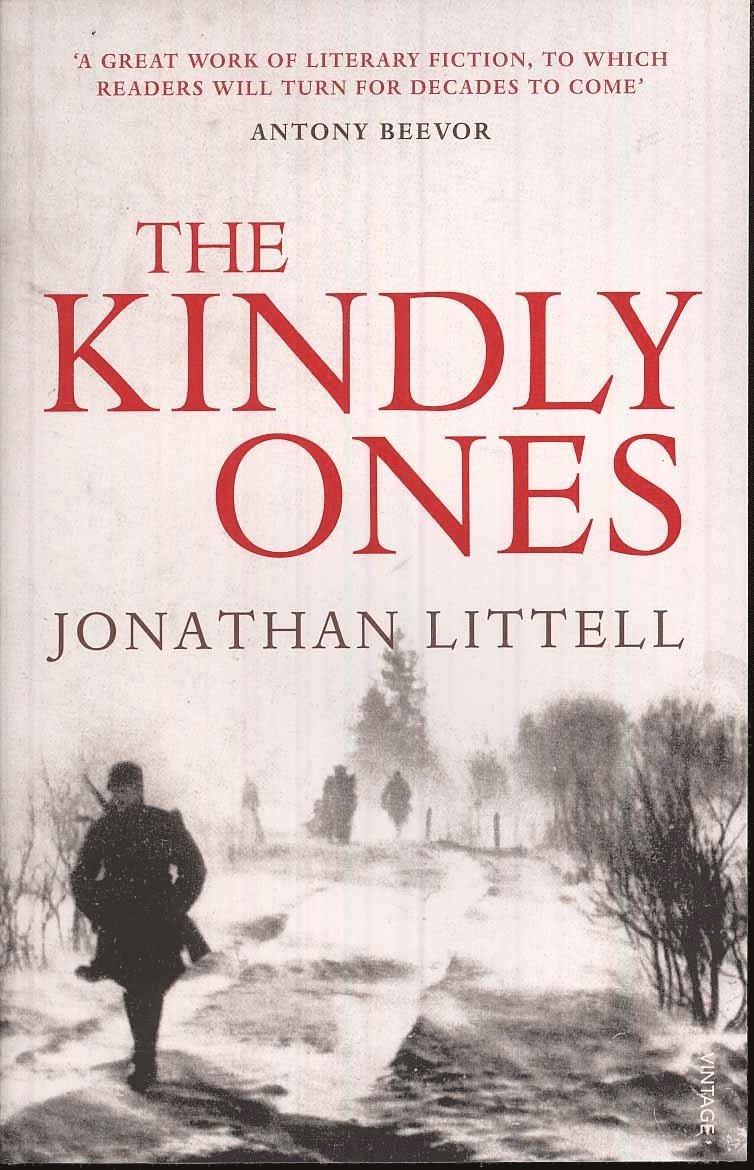
Kindly Ones
Häftad, 2010
5,0 utav 5 stjärnor. Totalt antal röster: (1)
190 kr
Lägg i varukorg
Dr Max Aue, a former SS intelligence officer, looks back on the Eastern Front, Stalingrad, and the death camps as Nazi Germany falls. Set during the Second World War on the Eastern Front and in Berlin, The Kindly Ones is narrated by Dr Max Aue, who is both a cultivated intellectual and a …
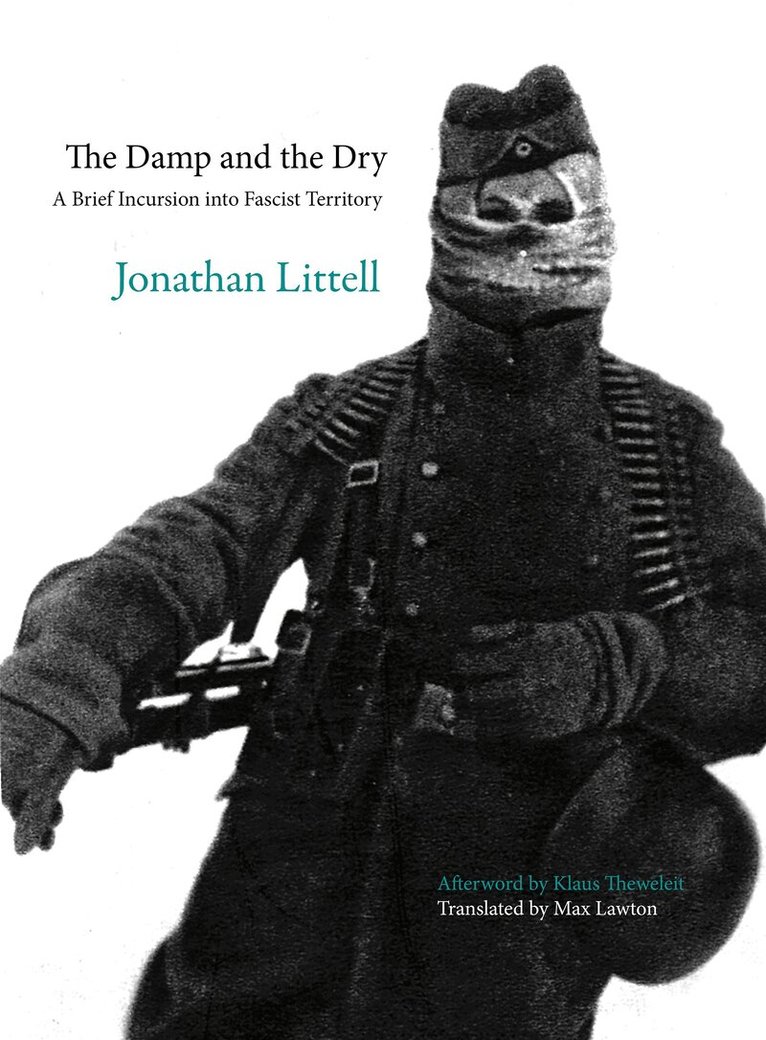
Damp and the Dry
A Brief Incursion into Fascist Territory
Häftad, 2027
202 kr
Kommande
How do fascists think? An acclaimed novelists looks at the life and writing of a prominent Nazi collaborator to investigate the links between psychology, language, and action on the far right.Léon Degrelle was Belgium’s highest-ranking Nazi collaborator and a fanatical Waffen-SS officer who fought …
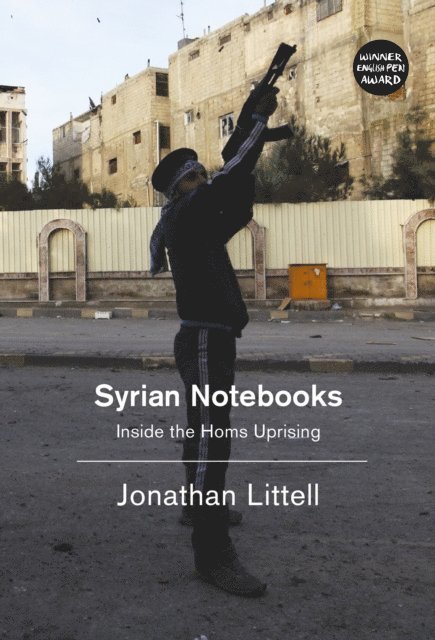
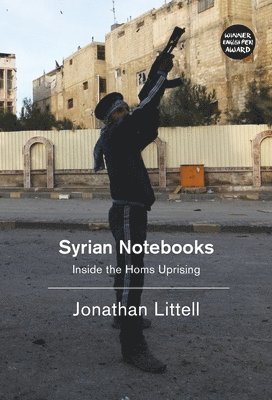
Syrian Notebooks
Inside the Homs Uprising
E-bok, 2015
150 kr
Lägg i varukorg
"We fight for our religion, for our women, for our land, and lastly to save our skin. As for them, they''re only fighting to save their skin." In 2012, Jonathan Littell traveled to the heart of the Syrian uprising, smuggled in by the Free Syrian Army to the historic city of Homs. For three weeks, …
Inconvenient Place
Häftad, 2024
166 kr
Lägg i varukorg
What is a place? A place where things happened, horrible things, the traces of which have been erased? Ukraine, for a long time, has been filled with these ‘inconvenient places’ which embarrass everyone, no matter which side of post-Soviet memorial politics they stand on: crimes of Stalinism, …
Kindly Ones
Ljudbok, 2009
804 kr
Lägg i varukorg
“Simply astounding. . . . The Kindly Ones is unmistakably the work of a profoundly gifted writer.†— Time A literary prize-winner that has been an explosive bestseller all over the world, Jonathan Littell’s The Kindly Ones has been called “a brilliant Holocaust novel. . . a world-class …
Kindly Ones
A Novel
E-bok, 2024
101 kr
Lägg i varukorg
A Nazi recounts his unsettling journey through WWII in this prize-winning novel: "a world-class masterpiece of astonishing brutality, originality, and force" (Michael Korda, The Daily Beast).A literary sensation when it was first published in France, Jonathan Littell''s The Kindly Ones was awarded …
Kindly Ones
A chilling Second World War novel following an SS officer from the Eastern Front to the ruins of Berlin
E-bok, 2009
102 kr
Lägg i varukorg
Dr Max Aue, a former SS intelligence officer, looks back on the Eastern Front, Stalingrad, and the death camps as Nazi Germany falls. Set during the Second World War on the Eastern Front and in Berlin, The Kindly Ones is narrated by Dr Max Aue, who is both a cultivated intellectual and a …
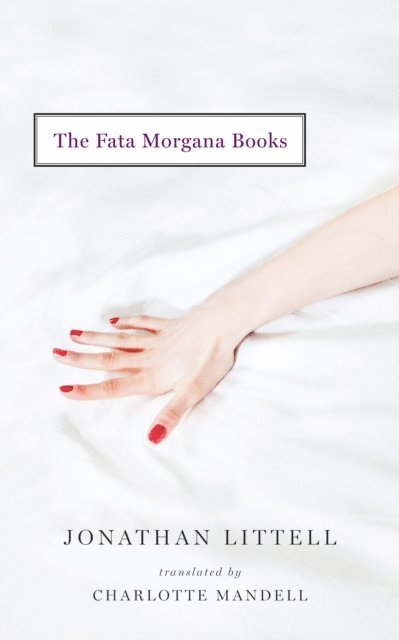
Fata Morgana Books
Av Charlotte Mandell, Jonathan Littell
E-bok, 2013
176 kr
Lägg i varukorg
The Prix Goncourt–winning author of the scandalous The Kindly Ones returns with four new novellas that offer startlingly fresh depictions of age-old obsessions: sex and love, desiring and gazing, and the memories that take a lifetime to process. In The Fata Morgana Books, Littell crafts unique …
Die Wohlgesinnten
E-bok, 2010
159 kr
Lägg i varukorg
Im Februar 2008 erschien im Berlin Verlag der Roman, den Jorge Semprun als »das Ereignis unserer Jahrhunderthälfte « bezeichnet: Die Wohlgesinnten von Jonathan Littell. Über Monate hielt er die deutsche Literaturkritik in Atem. Mit den fiktiven Lebenserinnerungen des SS-Obersturmführers Maximilian …
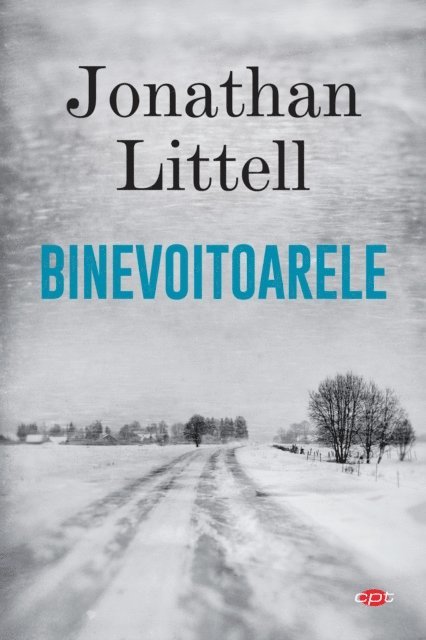
Binevoitoarele
E-bok, 2021
79 kr
Lägg i varukorg
Dr. Max Aue este un familist convins și proprietarul unei fabrici de dantelă din Franța de după război. Este un intelectual pasionat de filosofie, literatură și muzică clasică. Dar este, de asemenea, fost ofițer de informații SS și asasin cu sânge-rece. A fost observator și apoi participant la …
Syrian Notebooks
Inside the Homs Uprising
Inbunden, 2015
176 kr
Tillfälligt slut
"We fight for our religion, for our women, for our land, and lastly to save our skin. As for them, they're only fighting to save their skin."In 2012, Jonathan Littell traveled to the heart of the Syrian uprising, smuggled in by the Free Syrian Army to the historic city of Homs. For three weeks, he …