Jonathan S. Marko – författare
Visar alla böcker från författaren Jonathan S. Marko. Handla med fri frakt och snabb leverans.
7 produkter
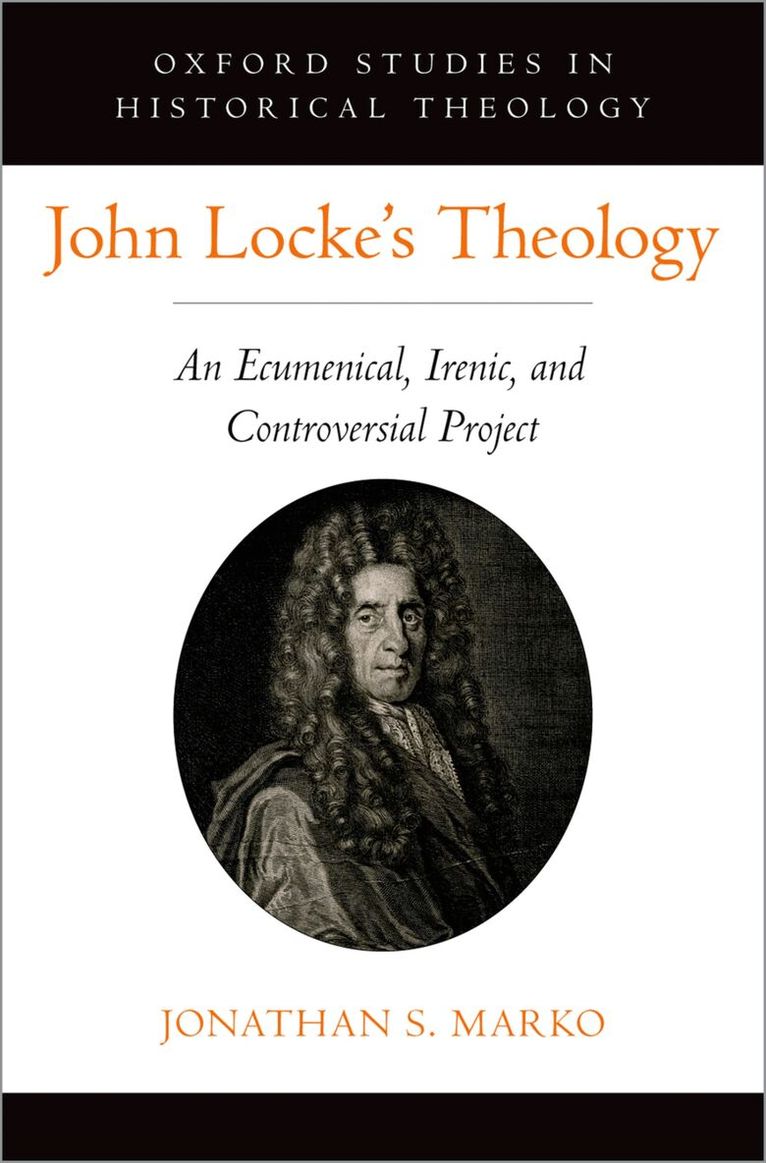
John Locke's Theology
An Ecumenical, Irenic, and Controversial Project
Inbunden, 2023
1134 kr
Lägg i varukorg
In John Locke's Theology: An Ecumenical, Irenic, and Controversial Project, Jonathan S. Marko offers the closest work available to a theological system derived from the writings of John Locke. Marko argues that Locke's intent for The Reasonableness of Christianity, his most noted theological work, …
John Locke's Theology
An Ecumenical, Irenic, and Controversial Project
E-bok, 2023
1009 kr
Lägg i varukorg
In John Locke''s Theology: An Ecumenical, Irenic, and Controversial Project , Jonathan S. Marko offers the closest work available to a theological system derived from the writings of John Locke. Marko argues that Locke''s intent for The Reasonableness of Christianity , his most noted theological …
John Locke's Theology
An Ecumenical, Irenic, and Controversial Project
E-bok, 2023
1009 kr
Lägg i varukorg
In John Locke''s Theology: An Ecumenical, Irenic, and Controversial Project , Jonathan S. Marko offers the closest work available to a theological system derived from the writings of John Locke. Marko argues that Locke''s intent for The Reasonableness of Christianity , his most noted theological …
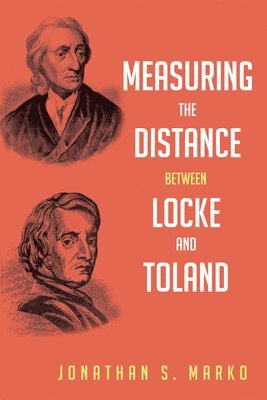
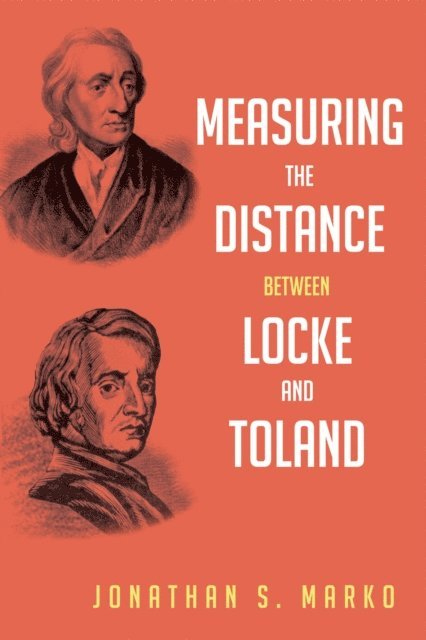
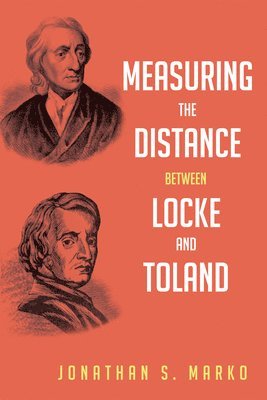
Measuring the Distance between Locke and Toland
Reason, Revelation, and Rejection during the Locke-Stillingfleet Debate
Häftad, 2017
300 kr
Lägg i varukorg
A re-examination of the differences in thought between John Locke and John Toland on the question of faith and reason.Ever since Bishop Stillingfleet accused John Locke of having unwittingly paved the way for the alleged heresy promulgated in John Toland's Christianity Not Mysterious, the latter …
Measuring the Distance between Locke and Toland
Reason, Revelation, and Rejection During the Locke-Stillingfleet Debate
Häftad, 2017
287 kr
Lägg i varukorg
Measuring the Distance between Locke and Toland
Reason, Revelation, and Rejection during the Locke-Stillingfleet Debate
E-bok, 2017
441 kr
Lägg i varukorg
Ever since Bishop Stillingfleet accused John Locke of having unwittingly paved the way with his Essay for the alleged heresy promulgated in John Toland''s Christianity Not Mysterious, the latter two thinkers and works have been consistently joined in histories of philosophy covering the rise of …
Measuring the Distance Between Locke and Toland
Reason, Revelation, and Rejection During the Locke-Stillingfleet Debate
Inbunden, 2017
459 kr
Lägg i varukorg