Jonathan Scott Lee – författare
Visar alla böcker från författaren Jonathan Scott Lee. Handla med fri frakt och snabb leverans.
3 produkter
3 produkter
583 kr
Skickas inom 3-6 vardagar
377 kr
Skickas inom 5-8 vardagar
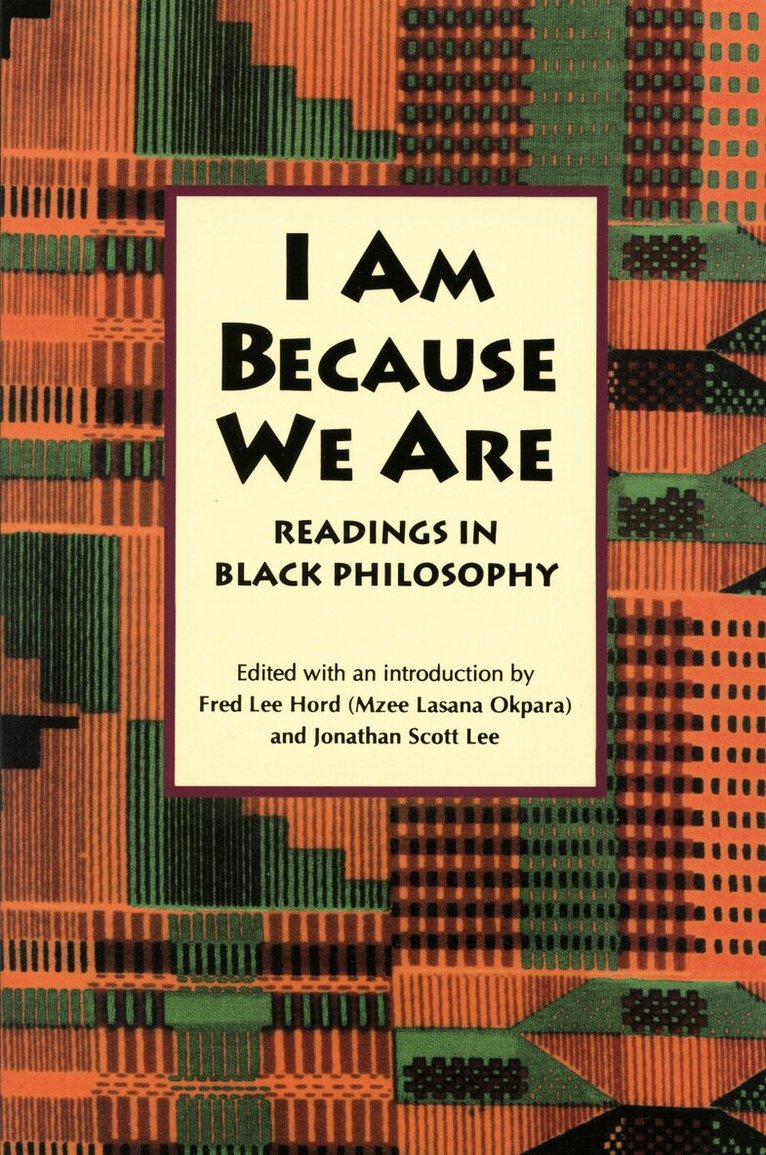
First published in 1995, I Am Because We Are has been recognized as a major, canon-defining anthology and adopted as a text in a wide variety of college and university courses. Bringing together writings by prominent black thinkers from Africa, the Caribbean, and North America, Fred Lee Hord and Jonathan Scott Lee made the case for a tradition of ""relational humanism"" distinct from the philosophical preoccupations of the West.Over the past twenty years, however, new scholarly research has uncovered other contributions to the discipline now generally known as ""Africana philosophy"" that were not included in the original volume. In this revised and expanded edition, Hord and Lee build on the strengths of the earlier anthology while enriching the selection of readings to bring the text into the twenty-first century. In a new introduction, the editors reflect on the key arguments of the book's central thesis, refining them in light of more recent philosophical discourse. This edition includes important new readings by Kwame Gyekye, Oyèrónké Oy ewùmí, Paget Henry, Sylvia Wynter, Toni Morrison, Charles Mills, and Tommy Curry, as well as extensive suggestions for further reading.
1 080 kr
Skickas inom 10-15 vardagar
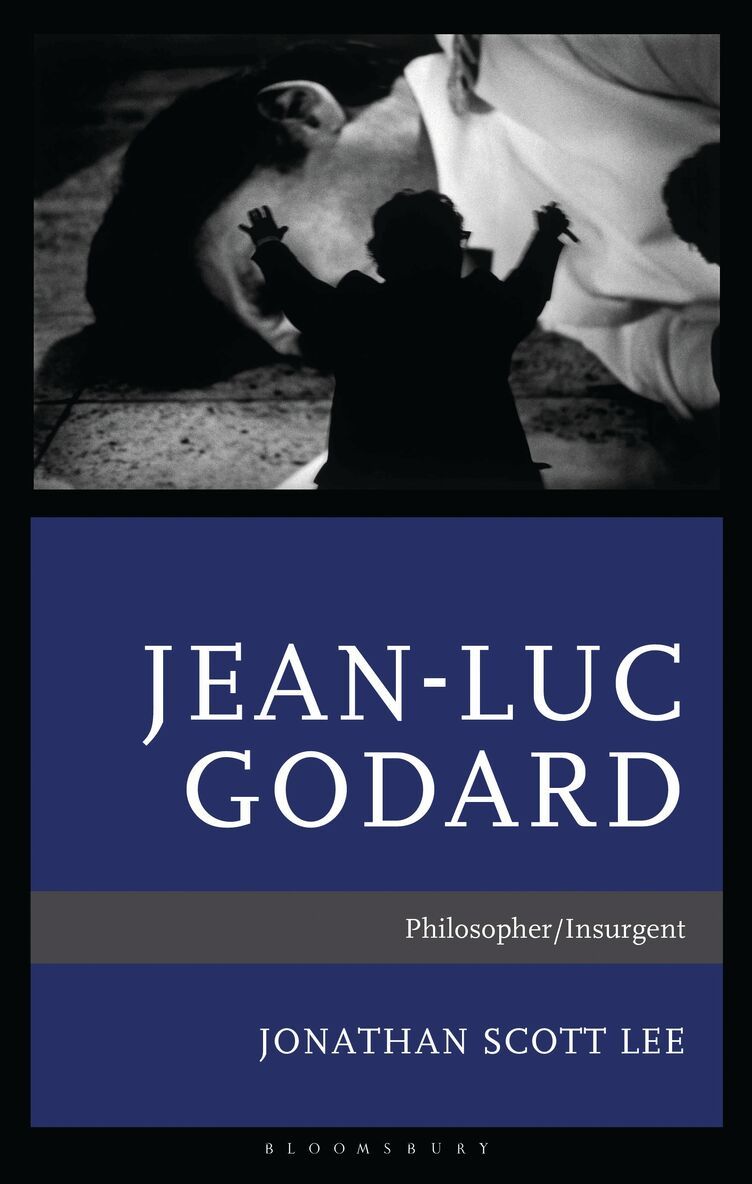
In Jean-Luc Godard: Philosopher/Insurgent, Jonathan Scott Lee contends that renowned filmmaker Jean-Luc Godard can be most accurately considered as a philosopher who uses cinema and video as his media to develop provocative aesthetic interventions into contemporary political situations and dilemmas.Rather than attempting to write a “definitive” study of Godard or establish a new canon from his expansive oeuvre, Lee identifies a particularly salient selection of his work which highlights innovative ways of understanding his lifelong engagement with film and video. Building on Godard’s own claim that “cinema is made of forms that think,” Lee embarks on a compelling exploration of the ways in which these films are poised to guide viewers into a “subjunctive” space of interpretation in which philosophical thinking engages fundamental questions about an art of living. Moving through these films chronologically, each of the three essay-chapters considers a different stage of Godard’s thought and career through the lens of another prominent thinker—in the 1960s, Cynic philosopher Diogenes of Sinope; in the late 1960s and early 1970s, psychoanalyst Jacques Lacan; and in the final decades, historian and philosopher of art André Malraux. By offering a distinct trajectory through Godard's work between 1960 and 2018, Lee demonstrates how his various modes of cinematic and video intervention might be seen to effect real change in audiences’ thinking and in the world more broadly.