Jonathan W. Jordan – författare
Visar alla böcker från författaren Jonathan W. Jordan. Handla med fri frakt och snabb leverans.
5 produkter
5 produkter
Brothers, Rivals, Victors: Eisenhower, Patton, Bradley and the Partnership That Drove the Allied Conquest in Europe
Häftad, Engelska, 2012
314 kr
Skickas inom 3-6 vardagar
American Warlords: How Roosevelt's High Command Led America to Victory in World War II
Häftad, Engelska, 2016
372 kr
Skickas inom 3-6 vardagar
380 kr
Kommande
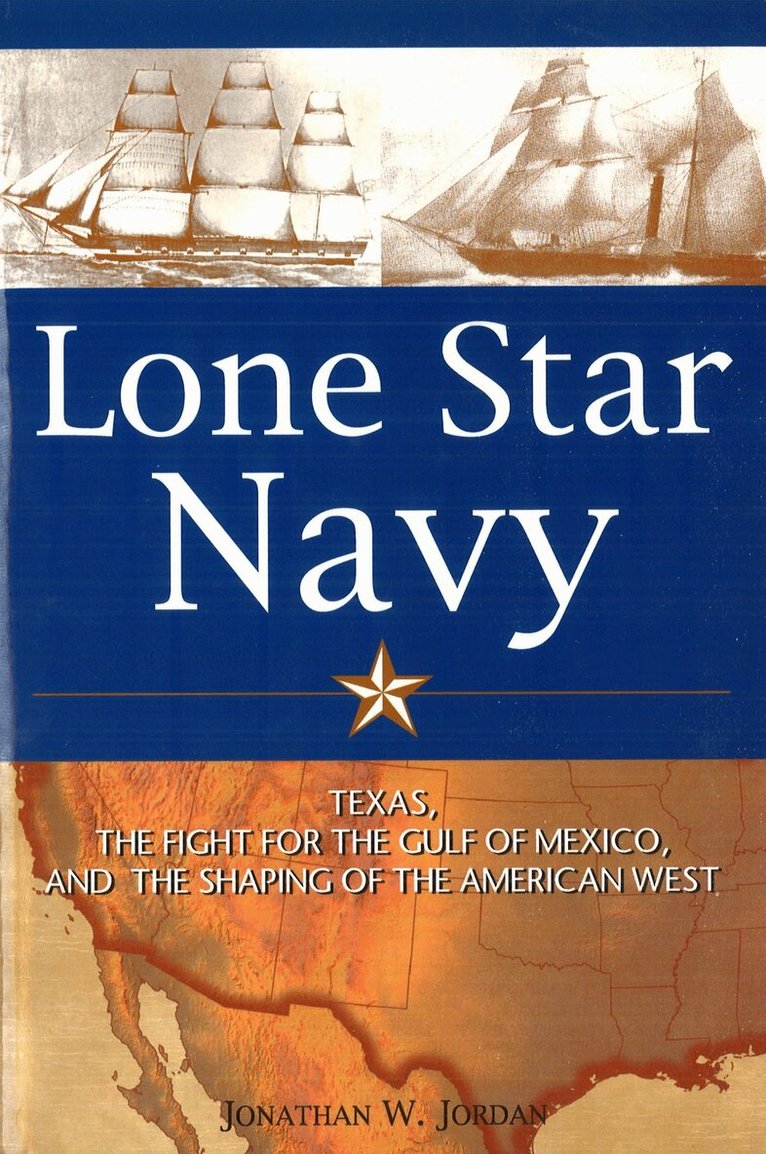
Lone Star Navy
Texas, the Fight for the Gulf of Mexico, and the Shaping of the American West
Inbunden, Engelska, 2005
432 kr
Skickas inom 3-6 vardagar
**WINNER OF THE 2007 UNITED STATES MARITIME LITERATURE AWARD**In the 1830s, Mexico endured a tragic era of internal political instability. Meanwhile, bold American frontiersmen sought their fortunes beyond the borders of the United States, with many settling in the Mexican territory of Texas. In 1835, these transplanted Americans led a revolt against Texas's embattled rulers in Mexico City. Lone Star Navy chronicles the little fleet of wooden warships, bought on credit by an impoverished band of revolutionaries and sent to sea on a singular mission: to win Texas's independence from Mexico. Beginning with four small sailing vessels, the upstart flotilla became a vital counterpart to Texan armies fighting for an independent republic. Indeed, Capt. Jeremiah Brown's naval battle off Matamoros in April 1836 helped save the fledgling republic from a premature end. But even as it battled for independence on the Gulf of Mexico, the Texas navy came under attack from unexpected enemies. The same fierce individuality that led Texans to shake off their Mexican rulers also stymied their efforts to govern themselves with any consensus. Lauded by its advocates as strategically vital and ridiculed by its detractors as a farcical waste of money, the navy became a flashpoint in a clash of visions. Denied adequate funding, sailors and officers suffered long periods without pay, and their vessels fell into chronic disrepair, but they still defended their small nation's fortunes.The decrepit remains of the battle-scarred fleet finally fell into American hands when Texas, in need of a strong ally, was annexed by the United States in 1845. The Mexican government prophesied that relinquishing Texas would lead to the loss of its other northern territories. And, indeed, the Mexican War and the U.S. acquisition of New Mexico, Arizona, California, and parts of Utah, Colorado, and Nevada soon followed.
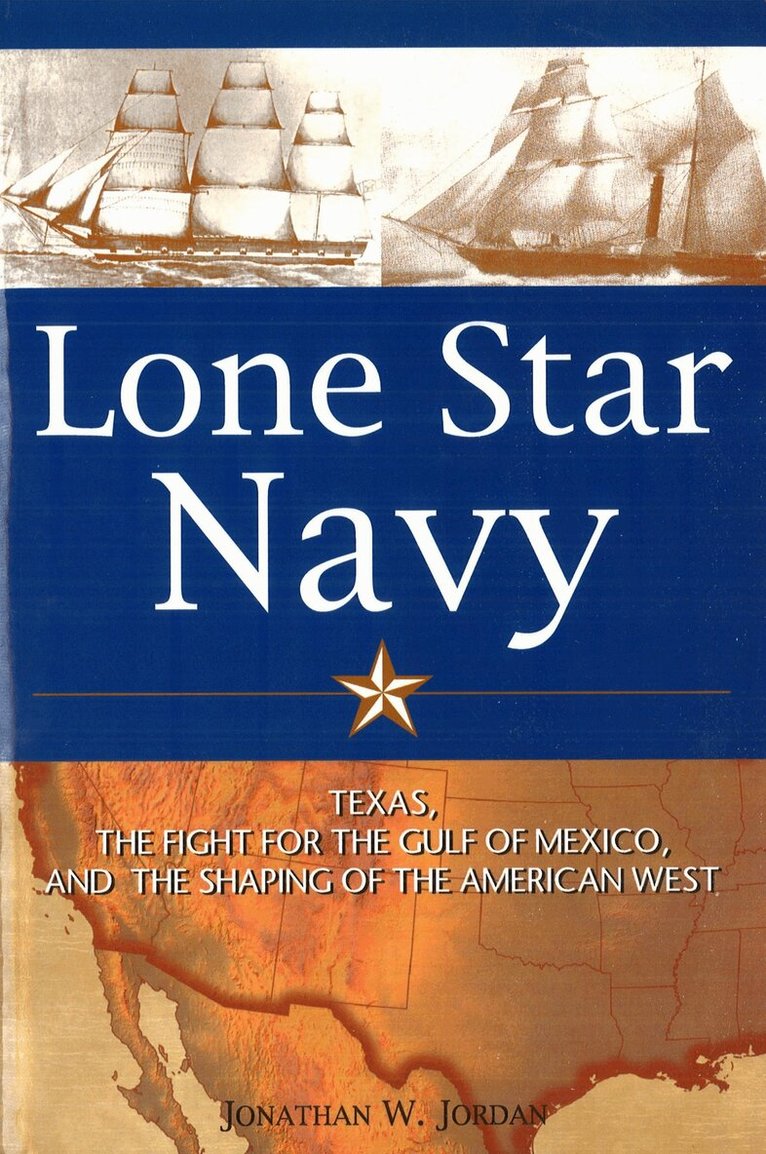
Lone Star Navy
Texas, the Fight for the Gulf of Mexico, and the Shaping of the American West
Häftad, Engelska, 2007
255 kr
Skickas inom 10-15 vardagar
**WINNER OF THE 2007 UNITED STATES MARITIME LITERATURE AWARD**In the 1830s, Mexico endured a tragic era of internal political instability. Meanwhile, bold American frontiersmen sought their fortunes beyond the borders of the United States, with many settling in the Mexican territory of Texas. In 1835, these transplanted Americans led a revolt against Texas's embattled rulers in Mexico City. Lone Star Navy chronicles the little fleet of wooden warships, bought on credit by an impoverished band of revolutionaries and sent to sea on a singular mission: to win Texas's independence from Mexico. Beginning with four small sailing vessels, the upstart flotilla became a vital counterpart to Texan armies fighting for an independent republic. Indeed, Capt. Jeremiah Brown's naval battle off Matamoros in April 1836 helped save the fledgling republic from a premature end. But even as it battled for independence on the Gulf of Mexico, the Texas navy came under attack from unexpected enemies. The same fierce individuality that led Texans to shake off their Mexican rulers also stymied their efforts to govern themselves with any consensus. Lauded by its advocates as strategically vital and ridiculed by its detractors as a farcical waste of money, the navy became a flashpoint in a clash of visions. Denied adequate funding, sailors and officers suffered long periods without pay, and their vessels fell into chronic disrepair, but they still defended their small nation's fortunes.The decrepit remains of the battle-scarred fleet finally fell into American hands when Texas, in need of a strong ally, was annexed by the United States in 1845. The Mexican government prophesied that relinquishing Texas would lead to the loss of its other northern territories. And, indeed, the Mexican War and the U.S. acquisition of New Mexico, Arizona, California, and parts of Utah, Colorado, and Nevada soon followed.