Jonny Geber – författare
Visar alla böcker från författaren Jonny Geber. Handla med fri frakt och snabb leverans.
5 produkter
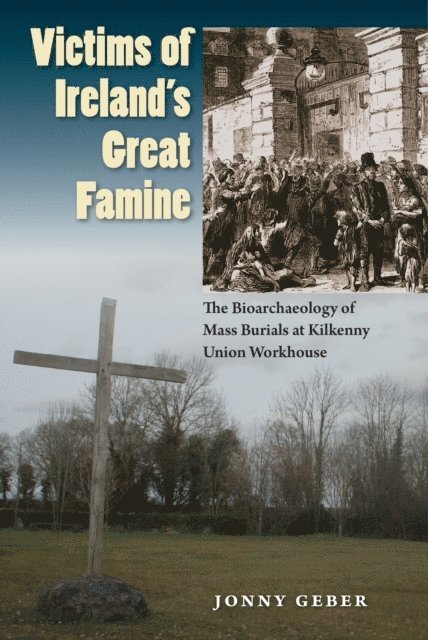
Victims of Ireland's Great Famine
The Bioarchaeology of Mass Burials at Kilkenny Union Workhouse
Av Jonny Geber
E-bok, 2015
1515 kr
Lägg i varukorg
With one million dead, and just as many forced to emigrate, the Irish Famine (1845-52) is among the worst health calamities in history. In 2006, archaeologists discovered a mass burial containing the remains of nearly 1,000 Kilkenny Union workhouse inmates. In the first bioarchaeological study of …
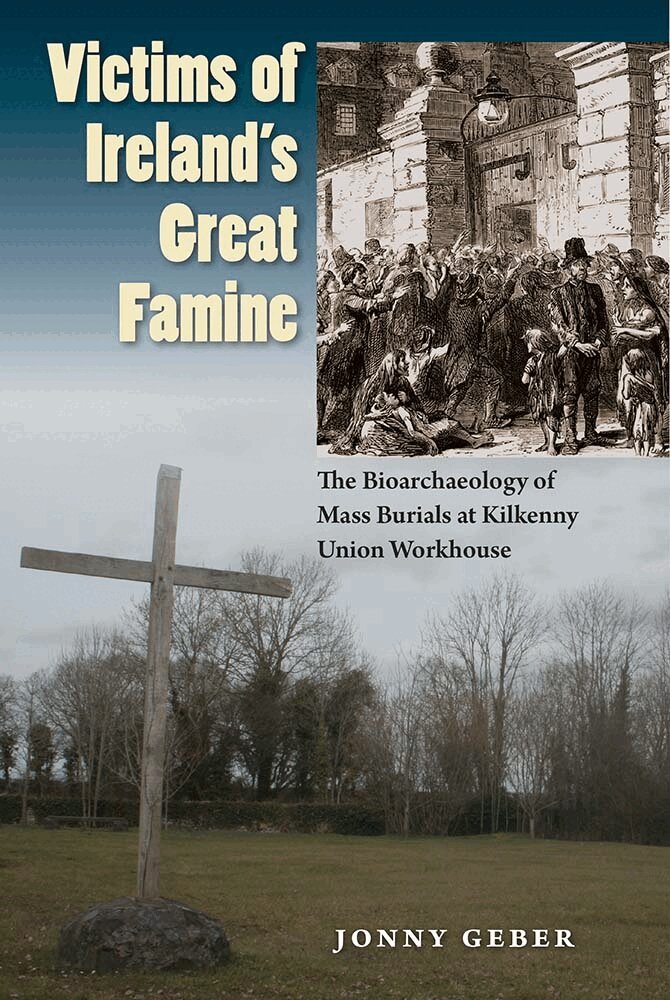
Victims of Ireland's Great Famine
The Bioarchaeology of Mass Burials at Kilkenny Union Workhouse
Av Jonny Geber
Inbunden, 2015
994 kr
Lägg i varukorg
With one million dead, and just as many forced to emigrate, the Irish Famine (1845-52) is among the worst health calamities in history. In 2006, archaeologists discovered a mass burial containing the remains of nearly 1,000 Kilkenny Union workhouse inmates. In the first bioarchaeological study of …
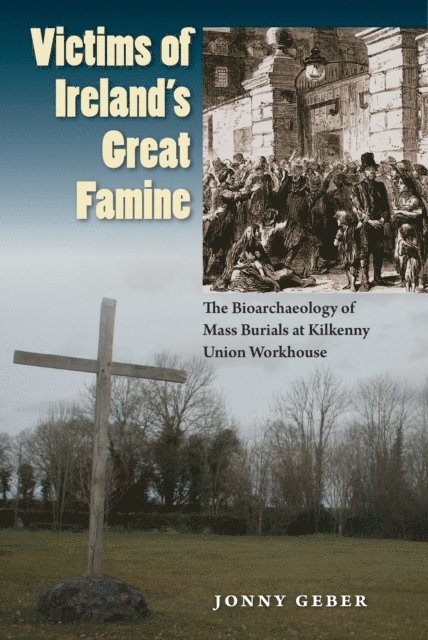
Victims of Ireland's Great Famine
The Bioarchaeology of Mass Burials at Kilkenny Union Workhouse
Av Jonny Geber
E-bok, 2018
339 kr
Lägg i varukorg
With one million dead, and just as many forced to emigrate, the Irish Famine (1845-52) is among the worst health calamities in history. Because historical records of the Victorian period in Ireland were generally written by the middle and upper classes, relatively little has been known about those …
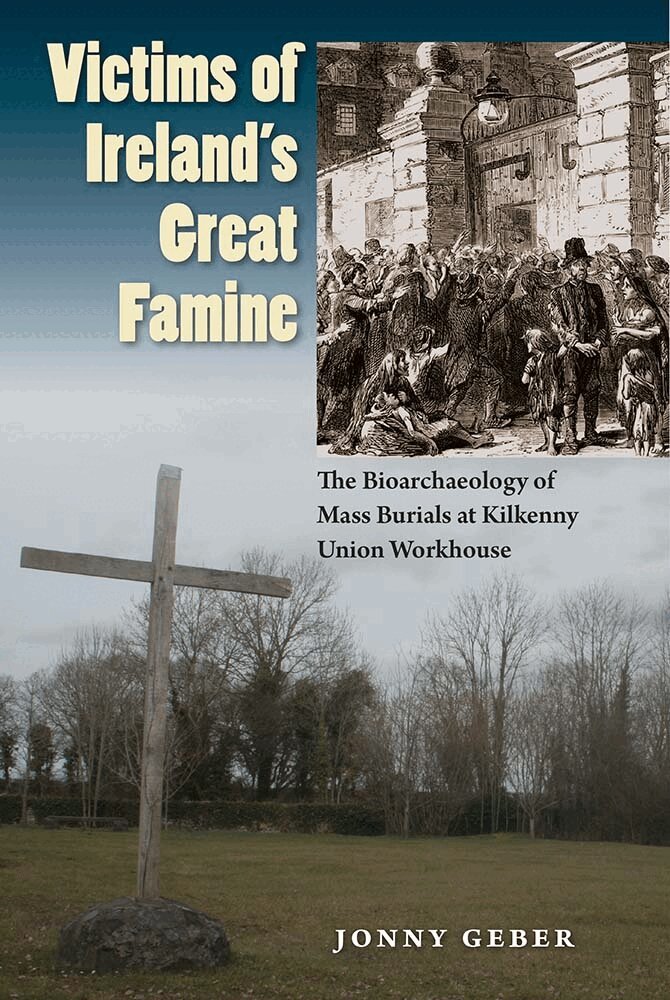
Victims of Ireland's Great Famine
The Bioarchaeology of Mass Burials at Kilkenny Union Workhouse
Av Jonny Geber
Häftad, 2018
283 kr
Lägg i varukorg
With one million dead, and just as many forced to emigrate, the Irish Famine (1845-52) is among the worst health calamities in history. Because historical records of the Victorian period in Ireland were generally written by the middle and upper classes, relatively little has been known about those …
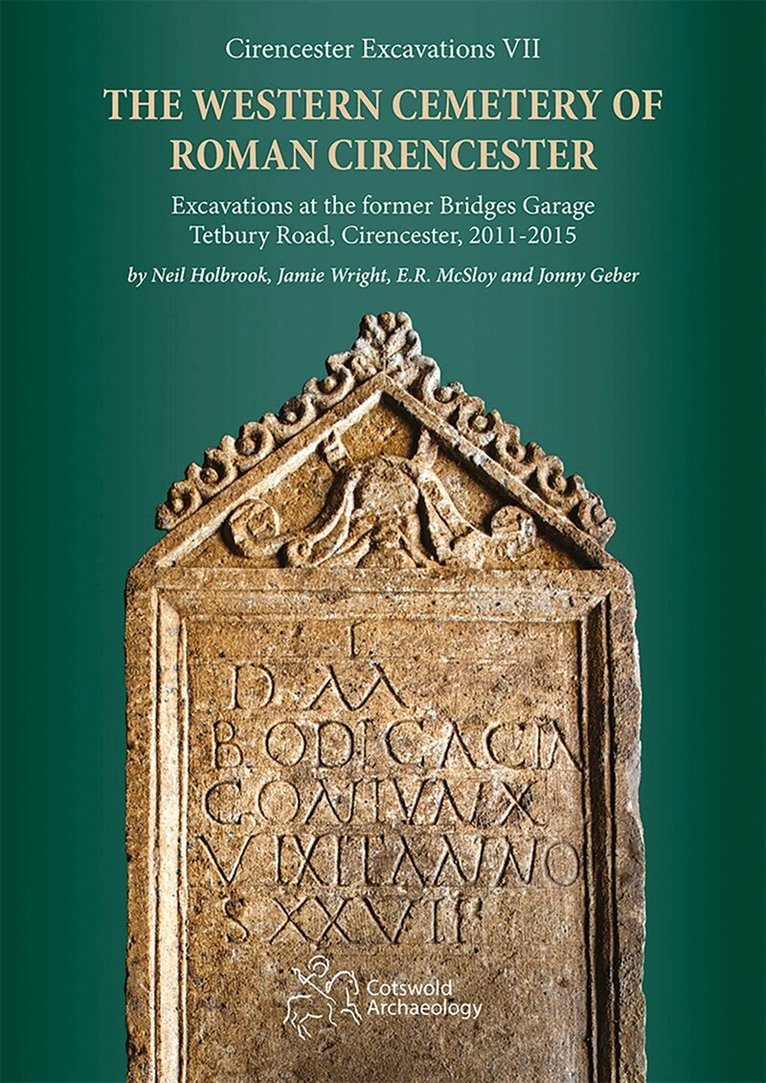
Western Cemetery of Roman Cirencester
Excavations at the former Bridges Garage, Tetbury Road, Cirencester, 2011-2015
Av Neil Holbrook, Jamie Wright m. fl.
Inbunden, 2017
321 kr
Lägg i varukorg
Excavations in 2011 to 2015 within the Western Cemetery of Roman Cirencester resulted in the discovery of 118 inhumation and 8 cremation burials, the largest investigation of a Roman cemetery in Cirencester since the Bath Gate excavations of the 1970s. A greater quantity of grave goods was …