Jordana Blejmar – författare
Visar alla böcker från författaren Jordana Blejmar. Handla med fri frakt och snabb leverans.
4 produkter
4 produkter
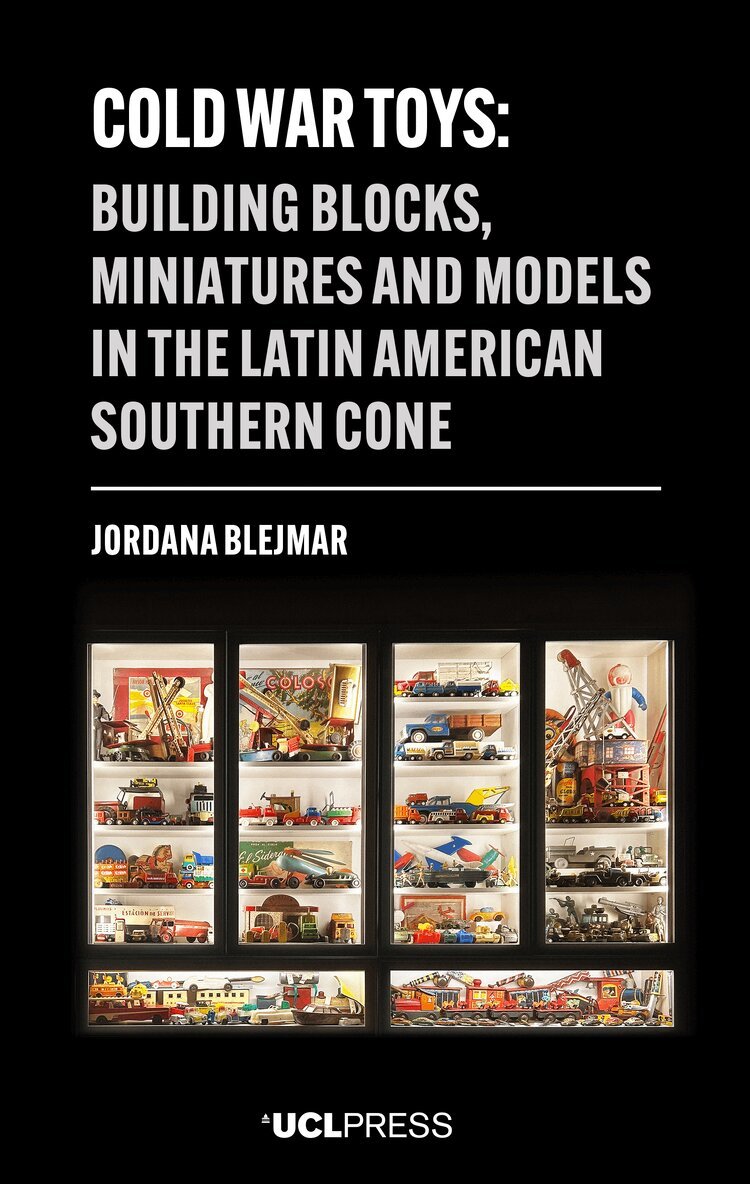
Cold War Toys
Building Blocks, Miniatures and Models in the Latin American Southern Cone
Inbunden, Engelska, 2026
643 kr
Tillfälligt slut
Cold War Toys
Building Blocks, Miniatures and Models in the Latin American Southern Cone
Häftad, Engelska, 2026
411 kr
Tillfälligt slut
1 291 kr
Skickas inom 10-15 vardagar
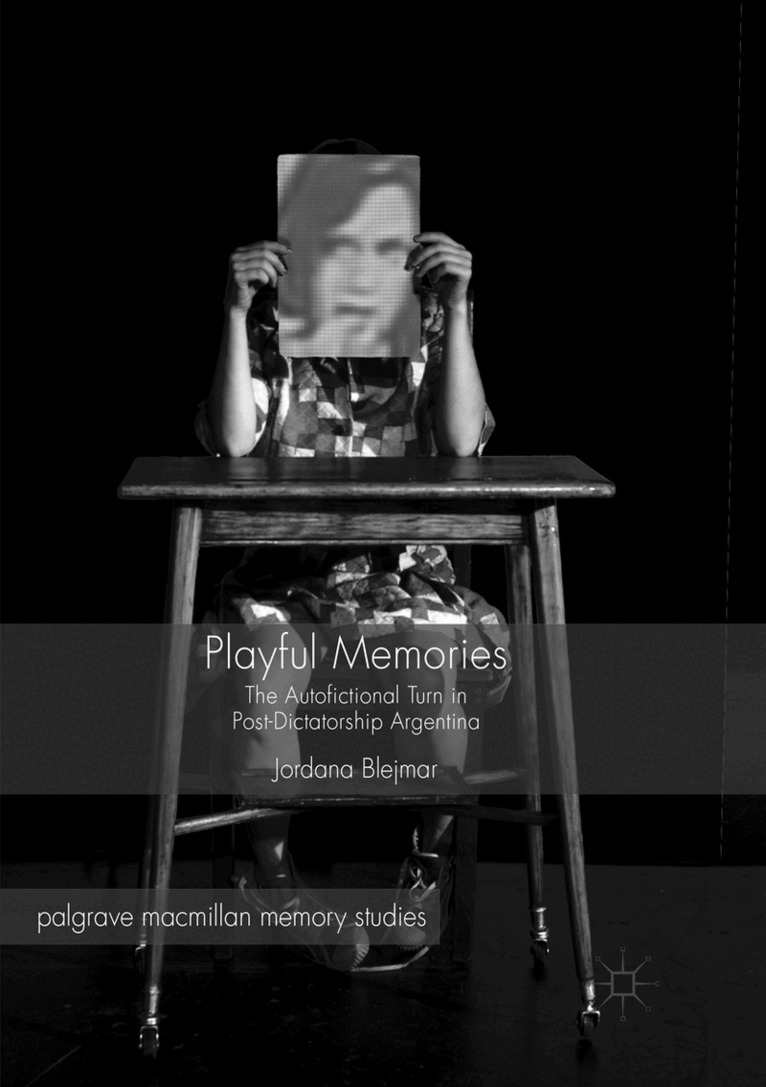
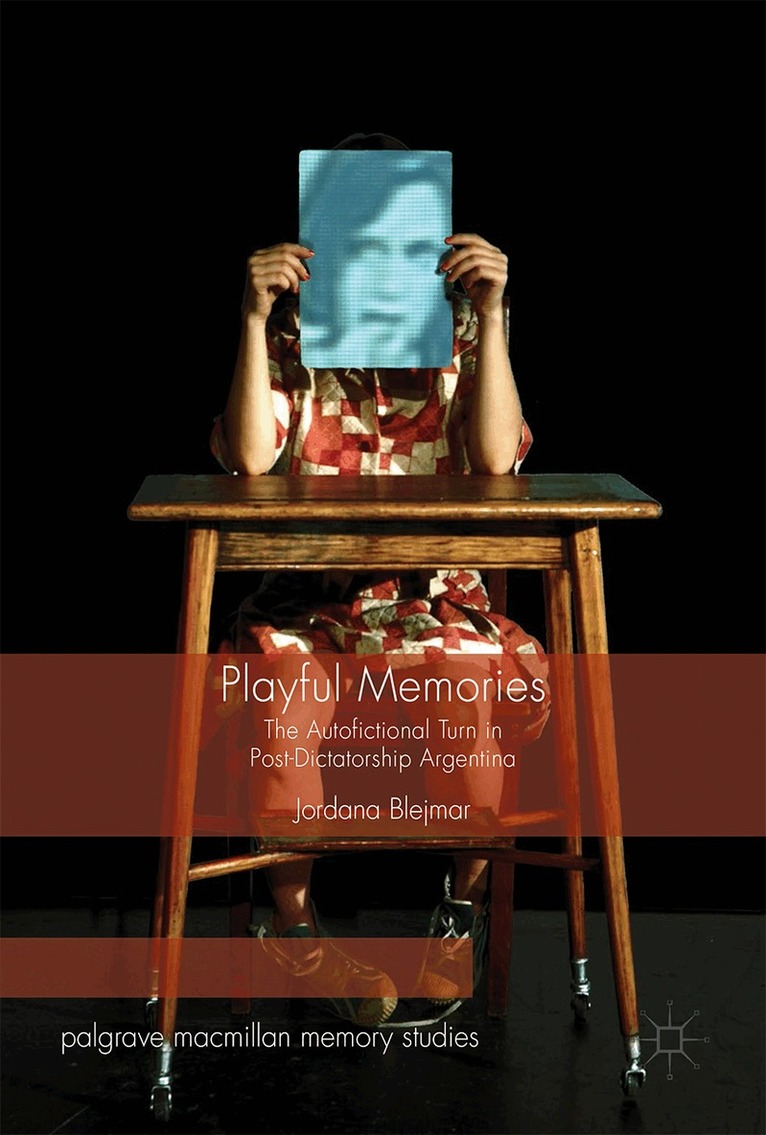
This volume examines the blending of fact and fiction in a series of cultural artefacts by post-dictatorship writers and artists in Argentina, many of them children of disappeared or persecuted parents. Jordana Blejmar argues that these works, which emerged after the turn of the millennium, pay testament to a new cultural formation of memory characterised by the use of autofiction and playful aesthetics. She focuses on a range of practitioners, including Laura Alcoba, Lola Arias, Félix Bruzzone, Albertina Carri, María Giuffra, Victoria Grigera Dupuy, Mariana Eva Perez, Lucila Quieto, and Ernesto Semán, who look towards each other's works across boundaries of genre and register as part of the way they address the legacies of the 1976-1983 dictatorship. Approaching these works not as second-hand or adoptive memories but as memories in their own right, Blejmar invites us to recognise the subversive power of self-figuration, play and humour when dealing with trauma.
885 kr
Skickas inom 10-15 vardagar
This volume examines the blending of fact and fiction in a series of cultural artefacts by post-dictatorship writers and artists in Argentina, many of them children of disappeared or persecuted parents. Jordana Blejmar argues that these works, which emerged after the turn of the millennium, pay testament to a new cultural formation of memory characterised by the use of autofiction and playful aesthetics. She focuses on a range of practitioners, including Laura Alcoba, Lola Arias, Félix Bruzzone, Albertina Carri, María Giuffra, Victoria Grigera Dupuy, Mariana Eva Perez, Lucila Quieto, and Ernesto Semán, who look towards each other's works across boundaries of genre and register as part of the way they address the legacies of the 1976-1983 dictatorship. Approaching these works not as second-hand or adoptive memories but as memories in their own right, Blejmar invites us to recognise the subversive power of self-figuration, play and humour when dealing with trauma.