Jordi Maiso – författare
Visar alla böcker från författaren Jordi Maiso. Handla med fri frakt och snabb leverans.
3 produkter
3 produkter
Inbunden, Engelska, 2026
976 kr
Kommande
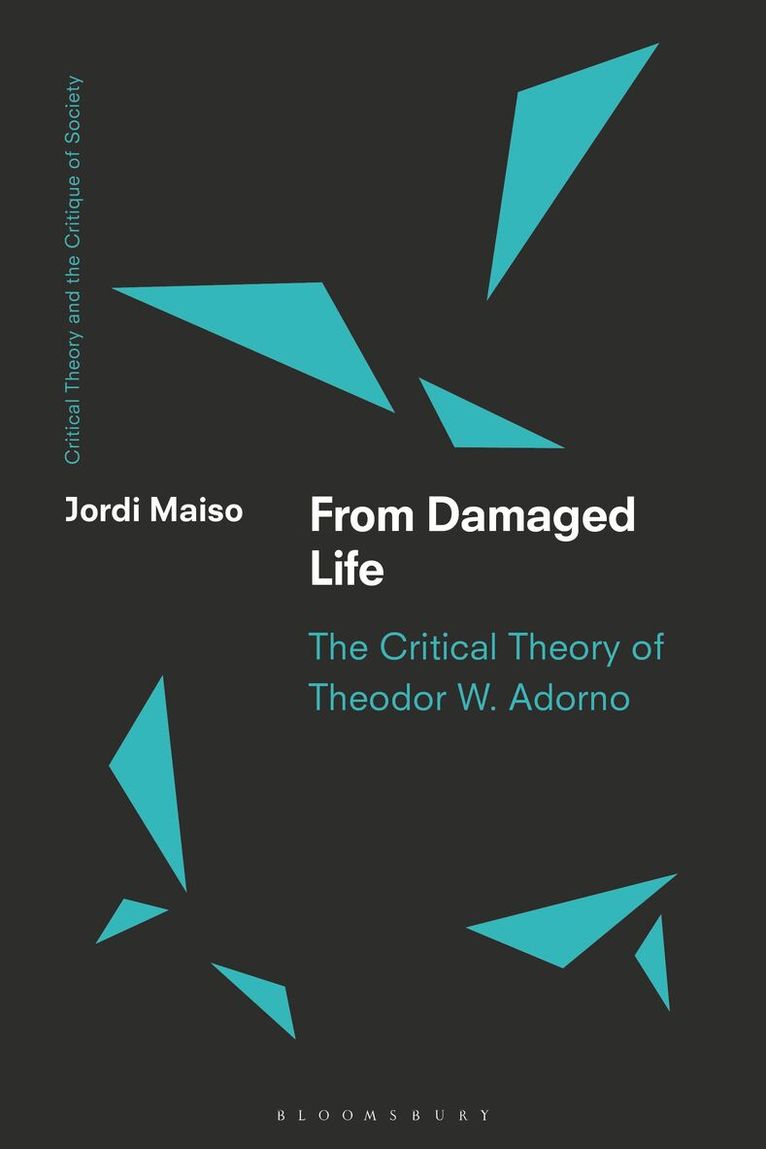
'Life does not live.'This certainty – that the conditions governing existence in contemporary societies generate irretrievably damaged lives – lies at the heart of Theodor W. Adorno's critical theory. Emerging from the historical experience of fascism, Auschwitz, and the consolidation of advanced capitalism, Adorno’s thought articulates critique from within a damaged reality.Under the coercion of overwhelming social powers, individual character is constituted as a “system of scars”. This notion of “damaged life” stands at the center of this book, which frames critique as emerging from a reality scarred by systemic coercion. It reconstructs Adorno’s critical theory as an analysis of the new state of unfreedom linked to total socialization, the anthropological reshaping of subjectivity under advanced capitalism, and the very possibility of critique.Jordi Maiso's analysis spans key themes: the constellation of fascism and advanced capitalism, the culture industry's role in shaping consciousness, and the persistence of authoritarian potential in everyday life. Revisiting Adorno’s conception of critique as a “science of mourning” and his insistence on determinate negation, the book shows how critical thought confronts a historical moment in which emancipatory horizons appear blocked yet remain necessary.Both historical and urgent, From Damaged Life: The Critical Theory of Theodor W. Adorno interrogates the persistence of fear, heteronomy, and avoidable suffering. It asks whether, under conditions marked by authoritarian regression and damaged subjectivity, critical theory can still resist resignation and keep the possibility of transformation alive.
Häftad, Engelska, 2026
270 kr
Kommande
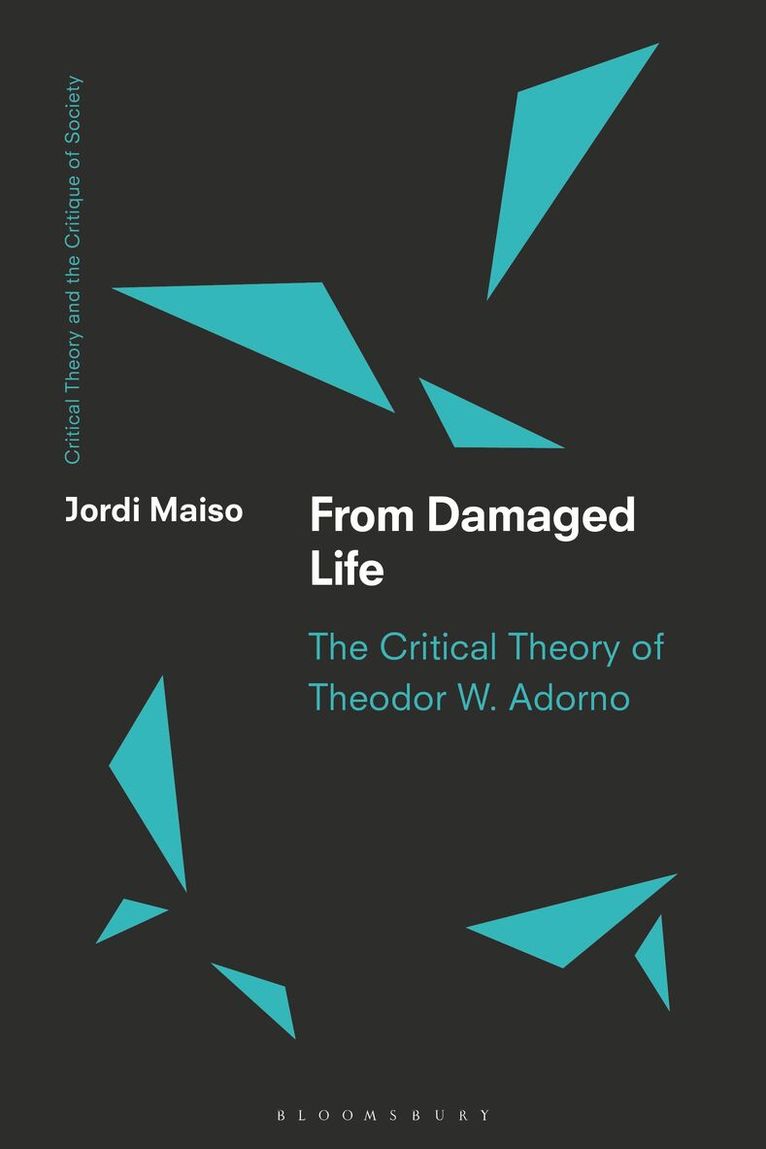
'Life does not live.'This certainty – that the conditions governing existence in contemporary societies generate irretrievably damaged lives – lies at the heart of Theodor W. Adorno's critical theory. Emerging from the historical experience of fascism, Auschwitz, and the consolidation of advanced capitalism, Adorno’s thought articulates critique from within a damaged reality.Under the coercion of overwhelming social powers, individual character is constituted as a “system of scars”. This notion of “damaged life” stands at the center of this book, which frames critique as emerging from a reality scarred by systemic coercion. It reconstructs Adorno’s critical theory as an analysis of the new state of unfreedom linked to total socialization, the anthropological reshaping of subjectivity under advanced capitalism, and the very possibility of critique.Jordi Maiso's analysis spans key themes: the constellation of fascism and advanced capitalism, the culture industry's role in shaping consciousness, and the persistence of authoritarian potential in everyday life. Revisiting Adorno’s conception of critique as a “science of mourning” and his insistence on determinate negation, the book shows how critical thought confronts a historical moment in which emancipatory horizons appear blocked yet remain necessary.Both historical and urgent, From Damaged Life: The Critical Theory of Theodor W. Adorno interrogates the persistence of fear, heteronomy, and avoidable suffering. It asks whether, under conditions marked by authoritarian regression and damaged subjectivity, critical theory can still resist resignation and keep the possibility of transformation alive.
E-bok
Spanska, 2023131 kr
Läs direkt efter köp
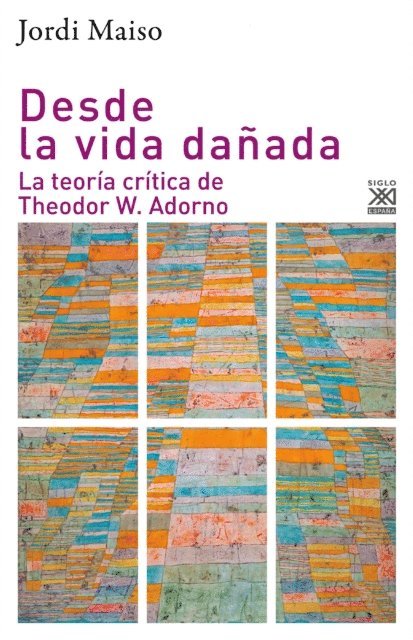
«La vida no vive». Las condiciones que rigen la existencia en las sociedades contemporáneas generan vidas irremisiblemente dañadas. La teoría crítica de Theodor W. Adorno parte de esa certeza y constata cómo, bajo las coerciones de un poder social avasallador, las biografías individuales se constituyen como un «sistema de cicatrices». Así evidencia los rasgos más lesivos de una lógica social que debilita a los sujetos, socava la posibilidad de la crítica y parece alejar la perspectiva de transformación social en el momento en que esta se vuelve más necesaria.En Desde la vida dañada Jordi Maiso muestra cómo el pensamiento de Adorno aspira a mantener vivo el impulso emancipador en una realidad histórica marcada por el fascismo, Auschwitz, el desvanecimiento del horizonte revolucionario y la emergencia del capitalismo avanzado y la industria cultural. Su diagnóstico sobre los peligros de una «normalidad» social que sigue albergando potenciales regresivos y autoritarios ha preservado una inquietante vigencia. Jordi Maiso nos muestra, de la mano de Adorno, que en la experiencia del daño está en juego el que la crítica no claudique, que la vida –aunque dañada– pueda seguir ofreciendo resistencia.