
JosA(c) LuA-s de Sales Marques – författare
706 kr
Läs direkt efter köp
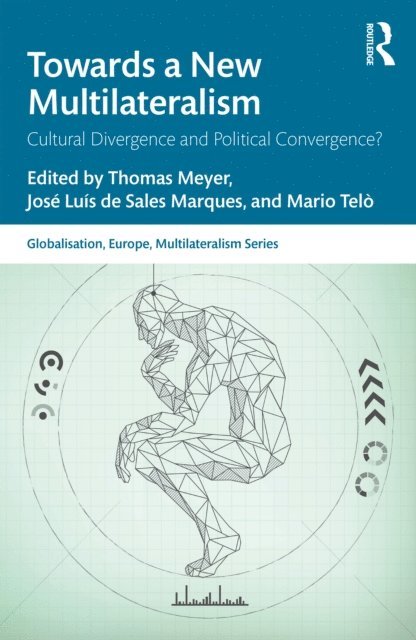
This edited book focuses on the dynamic balance between global cultural diversity and multilateral convergence in relevant policy areas that involve actual and potential policy convergences (and divergences): the environment, trade, peace and security, and human rights.
It offers theoretical reflections about the impact of the concept of multiple modernities on new ideas, cultural backgrounds, and/or national or regional particularities. An interdisciplinary team of authors combines comparative policy analysis with theoretical dialogue about the conceptual, institutional, normative, and political dimensions of a new kind of multilateral cooperation. Finally, the book concludes that by stimulating an intercultural dialogue which goes beyond a mere "rational choice" approach, we can foster progress through a better understanding of the opportunities and limitations offered by a pluralist, varied, post-hegemonic, and multilayered form of multilateral cooperation.
This book will be of key interest to scholars and students of European/EU studies, economics, human rights, climate change, history, cultural studies, international relations, international political economy, security studies, and international law.
706 kr
Läs direkt efter köp
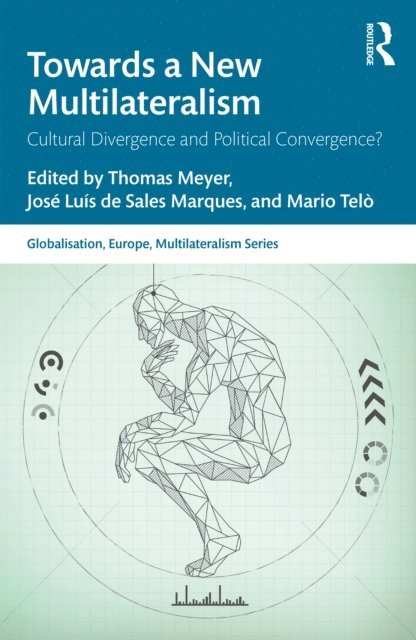
This edited book focuses on the dynamic balance between global cultural diversity and multilateral convergence in relevant policy areas that involve actual and potential policy convergences (and divergences): the environment, trade, peace and security, and human rights.
It offers theoretical reflections about the impact of the concept of multiple modernities on new ideas, cultural backgrounds, and/or national or regional particularities. An interdisciplinary team of authors combines comparative policy analysis with theoretical dialogue about the conceptual, institutional, normative, and political dimensions of a new kind of multilateral cooperation. Finally, the book concludes that by stimulating an intercultural dialogue which goes beyond a mere "rational choice" approach, we can foster progress through a better understanding of the opportunities and limitations offered by a pluralist, varied, post-hegemonic, and multilayered form of multilateral cooperation.
This book will be of key interest to scholars and students of European/EU studies, economics, human rights, climate change, history, cultural studies, international relations, international political economy, security studies, and international law.
745 kr
Läs direkt efter köp
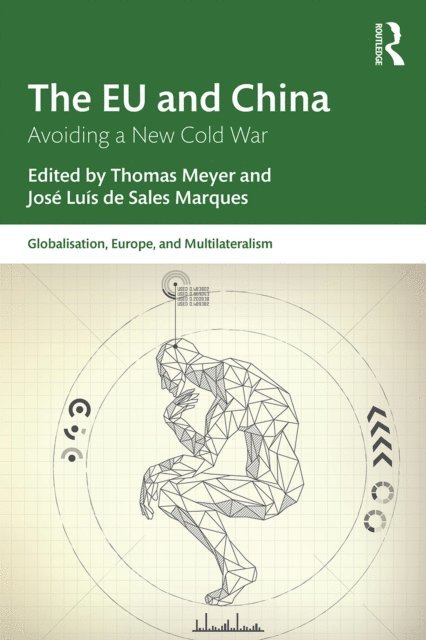
This edited book is devoted to an analysis of how the multiple modernities approach might help strengthen the strategic autonomy of the European Union and foster cooperative EU–China relations at a time when some observers believe that a new global cold war may be on the horizon. An international, interdisciplinary team of eminent scholars analyzes both the forces causing dangerous tensions to escalate and those that might stabilize the situation. Whether from China or Europe, the authors largely converge in their diagnoses. To serve its own vital interests, the EU can and must play the role of a politically independent actor, a mediator committed to the preservation of a fair and peaceful rules-based order. To do that, it must first pinpoint the economic and political concerns that it shares with both China and the USA, using them as guidelines in developing its own global strategies. The chapters collected in this volume try to shed light on that endeavor. Additionally, several aim to clarify China’s true intentions in international politics, beyond the rhetoric of conflict in which all parties presently engage. What role does Asia’s leading power actually aspire to play in world politics?
The book will be of interest to students of history, international relations, international political economy, European and Chinese studies, and military and security affairs.
Furthermore, its timely subject should stimulate debate among a wider audience of journalists, policy professionals, and politically engaged readers the world over.
706 kr
Läs direkt efter köp
This book represents the first discussion from a political science perspective of the concept of Multiple Modernities in three dimensions. First taking stock of the discussions of the concept itself, the book then connects the concept to more recently developed analytical and normative concepts that concretize it, before finally opening up a discussion about its implications and consequences for the political dimension.
Written by outstanding scholars in the field, the book addresses four principal concepts – Good Society, Good Governance, Human Security and Varieties of Capitalism. It determines whether and to what degree these concepts enable us to discover the commonalities and differences that distinguish the emerging multiple modernities in our time with respect to their political implications and consequences.
This text will be of key interest to scholars and students of political theory, political economy, international relations, comparative politics and sociology.
706 kr
Läs direkt efter köp
This book represents the first discussion from a political science perspective of the concept of Multiple Modernities in three dimensions. First taking stock of the discussions of the concept itself, the book then connects the concept to more recently developed analytical and normative concepts that concretize it, before finally opening up a discussion about its implications and consequences for the political dimension.
Written by outstanding scholars in the field, the book addresses four principal concepts – Good Society, Good Governance, Human Security and Varieties of Capitalism. It determines whether and to what degree these concepts enable us to discover the commonalities and differences that distinguish the emerging multiple modernities in our time with respect to their political implications and consequences.
This text will be of key interest to scholars and students of political theory, political economy, international relations, comparative politics and sociology.