Joseph M. Kitagawa – författare
Visar alla böcker från författaren Joseph M. Kitagawa. Handla med fri frakt och snabb leverans.
3 produkter
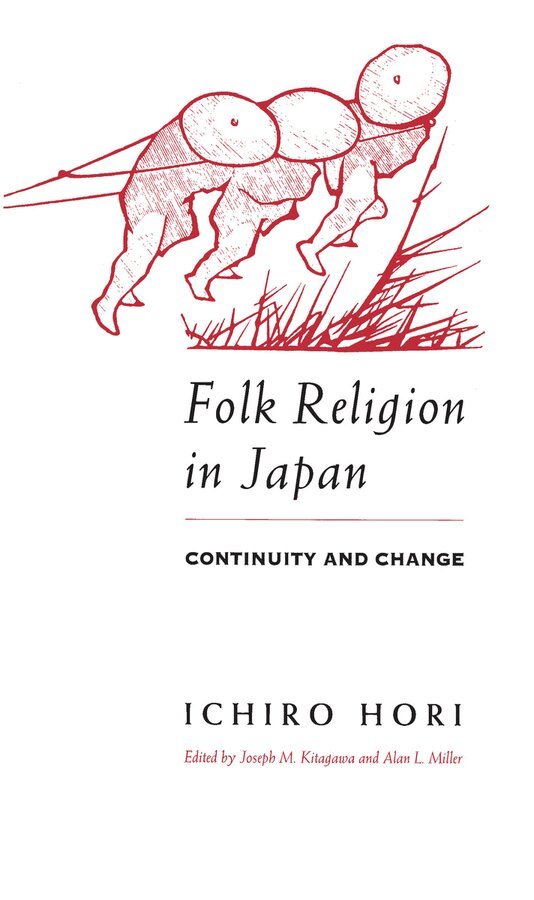
Folk Religion in Japan
Continuity and Change
Av Ichiro Hori, Joseph M. Kitagawa m. fl.
Häftad, 1994
298 kr
Lägg i varukorg
Ichiro Hori's is the first book in Western literature to portray how Shinto, Buddhist, Confucian, and Taoist elements, as well as all manner of archaic magical beliefs and practices, are fused on the folk level. Folk religion, transmitted by the common people from generation to generation, has …
Religion in Japanese History
Inbunden, 1966
2533 kr
Lägg i varukorg
Tracing Japan's religions from the Hein Period through the middle ages and into modernity, this book explores the unique establishment of Shinto, Buddhism, and Confucianism in Japan, as well as the later influence of Roman Catholicism, and the problem of Restoration--both spiritual and …
Religion in Japanese History
Häftad, 1990
349 kr
Lägg i varukorg
Tracing Japan's religions from the Hein Period through the middle ages and into modernity, this book explores the unique establishment of Shinto, Buddhism, and Confucianism in Japan, as well as the later influence of Roman Catholicism, and the problem of Restoration--both spiritual and …