
Joseph T. Reiff – författare
Visar alla böcker från författaren . Handla med fri frakt och snabb leverans.
4 produkter
4 produkter
Inbunden, Engelska, 2015
664 kr
Skickas inom 5-8 vardagar
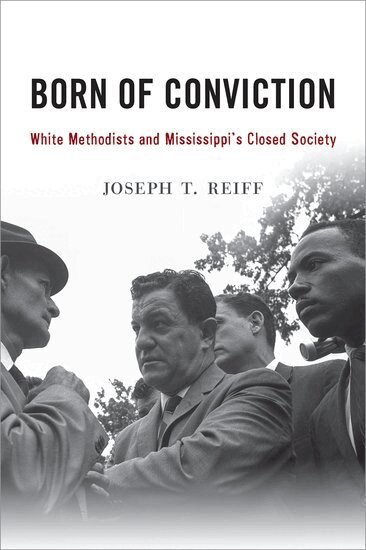
The dominant narrative of Mississippi during the Civil Rights Era focuses on white citizens, the white church, and their intense resistance to change. Signed by twenty-eight white pastors of the Methodist Mississippi Annual conference and published in the Mississippi Methodist Advocate on January 2, 1963, the "Born of Conviction" statement offered an alternative witness to the segregationist party line by calling for freedom of the pulpit and reminding readers of the Methodist Discipline's claim that the teachings of Jesus "[permit] no discrimination because of race, color, or creed". The twenty-eight pastors sought to speak to and for a mostly silent yet significant minority of Mississippians, and to lead white Methodists to join the conversation on the need for racial justice. The document additionally expressed support for public schools and opposition to any attempt to close them, and affirmed the signers' opposition to Communism. Though a few lay and clergy persons voiced public affirmation of "Born of Conviction," the overwhelming reaction was negative-by mid-1964, twenty of the original signers had left Mississippi, revealing the challenges faced by whites who offered even mild dissent to massive resistance in the Deep South.Dominant narratives, however, rarely tell the whole story. The statement caused a significant crack in the public unanimity of Mississippi white resistance. Signers and their public supporters had also received private messages of gratitude for their stand, and eight of the signers remained in the Methodist ministry in Mississippi until retirement. Born of Conviction tells the story of "the Twenty-eight," illuminating the impact on the larger culture of this attempt by white clergy to support race relations change. The book explores the theological and ethical understandings of the signers through an account of their experiences before, during, and after the statement's publication. It also offers a detailed portrait of both public and private expressions of the theology and ethics of white Mississippi Methodists as a whole - including laity and other clergy - as revealed by their responses to the "Born of Conviction" controversy, which came at the crisis point of the Civil Rights Era in Mississippi.
E-bok
PDF, Engelska, 2015570 kr
Läs direkt efter köp
Winner of the Mississippi Institute of Arts and Letters'' Nonfiction Award The dominant narrative of the role of white citizens and the white church in Mississippi''s civil rights era focuses on their intense resistance to change. The "Born of Conviction" statement, signed by twenty-eight white Methodist pastors and published in the Mississippi Methodist Advocate on January 2, 1963, offered an alternative witness to the segregationist party line. Calling for freedom of the pulpit and reminding readers of the Methodist Discipline''s claim that the teachings of Jesus permit "no discrimination because of race, color, or creed," the pastors sought to speak to and for a mostly silent yet significant minority of Mississippians, and to lead white Methodists to join the conversation on the need for racial justice. The document additionally expressed support for public schools and opposition to any attempt to close them, and affirmed the signers'' opposition to Communism. Though a few individuals, both laity and clergy, voiced public affirmation of "Born of Conviction," the overwhelming reaction was negative-by mid-1964, eighteen of the signers had left Mississippi, evidence of the challenges faced by whites who offered even mild dissent to massive resistance in the Deep South.Dominant narratives, however, rarely tell the whole story. The statement caused a significant crack in the public unanimity of Mississippi white resistance. Signers and their public supporters also received private messages of gratitude for their stand, and eight of the signers would remain in the Methodist ministry in Mississippi until retirement. Born of Conviction tells the story of "the Twenty-Eight" illuminating the impact on the larger culture of this attempt by white clergy to support race relations change. The book explores the theological and ethical understandings of the signers through an account of their experiences before, during, and after the statement''s publication. It also offers a detailed portrait of both public and private expressions of the theology and ethics of white Mississippi Methodists in general, as revealed by their responses to the "Born of Conviction" controversy.
E-bok
Engelska, 2015570 kr
Läs direkt efter köp
Winner of the Mississippi Institute of Arts and Letters'' Nonfiction Award The dominant narrative of the role of white citizens and the white church in Mississippi''s civil rights era focuses on their intense resistance to change. The "Born of Conviction" statement, signed by twenty-eight white Methodist pastors and published in the Mississippi Methodist Advocate on January 2, 1963, offered an alternative witness to the segregationist party line. Calling for freedom of the pulpit and reminding readers of the Methodist Discipline''s claim that the teachings of Jesus permit "no discrimination because of race, color, or creed," the pastors sought to speak to and for a mostly silent yet significant minority of Mississippians, and to lead white Methodists to join the conversation on the need for racial justice. The document additionally expressed support for public schools and opposition to any attempt to close them, and affirmed the signers'' opposition to Communism. Though a few individuals, both laity and clergy, voiced public affirmation of "Born of Conviction," the overwhelming reaction was negative-by mid-1964, eighteen of the signers had left Mississippi, evidence of the challenges faced by whites who offered even mild dissent to massive resistance in the Deep South.Dominant narratives, however, rarely tell the whole story. The statement caused a significant crack in the public unanimity of Mississippi white resistance. Signers and their public supporters also received private messages of gratitude for their stand, and eight of the signers would remain in the Methodist ministry in Mississippi until retirement. Born of Conviction tells the story of "the Twenty-Eight" illuminating the impact on the larger culture of this attempt by white clergy to support race relations change. The book explores the theological and ethical understandings of the signers through an account of their experiences before, during, and after the statement''s publication. It also offers a detailed portrait of both public and private expressions of the theology and ethics of white Mississippi Methodists in general, as revealed by their responses to the "Born of Conviction" controversy.
Häftad, Engelska, 2025
242 kr
Skickas inom 5-8 vardagar
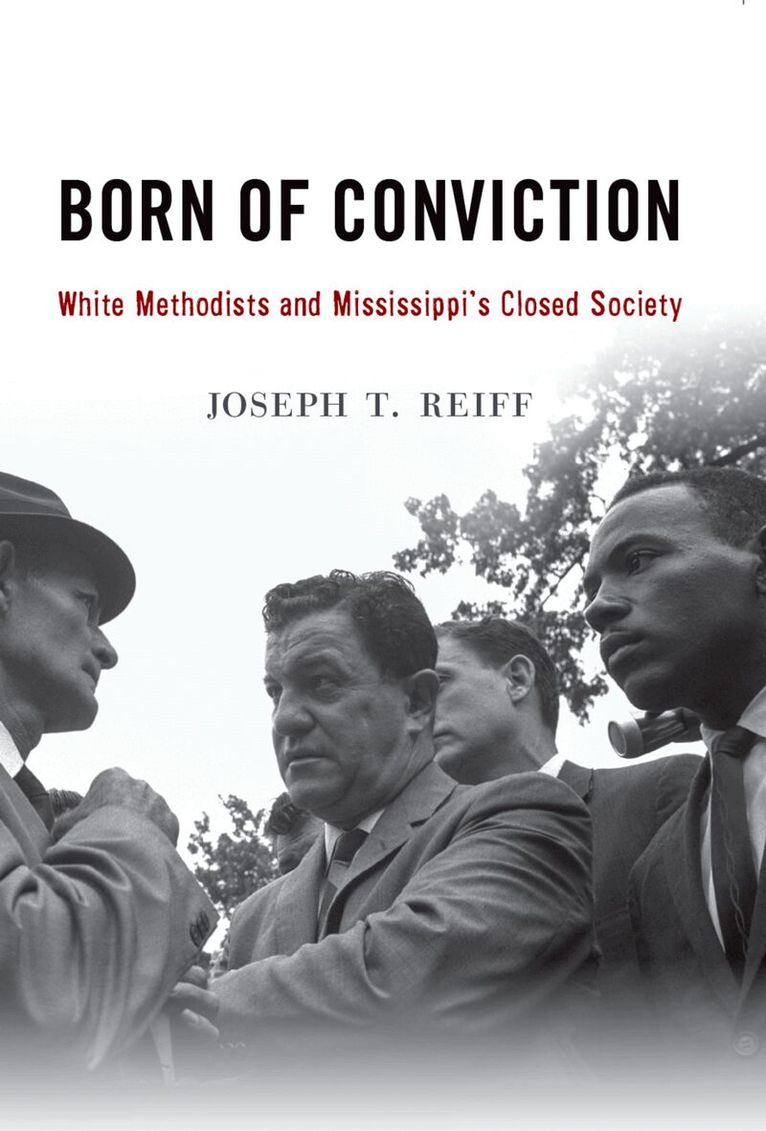
Winner of the Mississippi Institute of Arts and Letters' Nonfiction Award The dominant narrative of the role of white citizens and the white church in Mississippi's civil rights era focuses on their intense resistance to change. The "Born of Conviction" statement, signed by twenty-eight white Methodist pastors and published in the Mississippi Methodist Advocate on January 2, 1963, offered an alternative witness to the segregationist party line. Calling for freedom of the pulpit and reminding readers of the Methodist Discipline's claim that the teachings of Jesus permit "no discrimination because of race, color, or creed," the pastors sought to speak to and for a mostly silent yet significant minority of Mississippians, and to lead white Methodists to join the conversation on the need for racial justice. The document additionally expressed support for public schools and opposition to any attempt to close them, and affirmed the signers' opposition to Communism. Though a few individuals, both laity and clergy, voiced public affirmation of "Born of Conviction," the overwhelming reaction was negative-by mid-1964, eighteen of the signers had left Mississippi, evidence of the challenges faced by whites who offered even mild dissent to massive resistance in the Deep South.Dominant narratives, however, rarely tell the whole story. The statement caused a significant crack in the public unanimity of Mississippi white resistance. Signers and their public supporters also received private messages of gratitude for their stand, and eight of the signers would remain in the Methodist ministry in Mississippi until retirement. Born of Conviction tells the story of "the Twenty-Eight," illuminating the impact on the larger culture. The book explores the theological and ethical understandings of the signers through an account of their experiences before, during, and after the statement's publication. It also offers a detailed portrait of both public and private expressions of the theology and ethics of white Mississippi Methodists in general, as revealed by their responses to the "Born of Conviction" controversy.