
Jouko Jokisalo – författare
Visar alla böcker från författaren Jouko Jokisalo. Handla med fri frakt och snabb leverans.
4 produkter
4 produkter
E-bok
Finska, 2019202 kr
Läs direkt efter köp
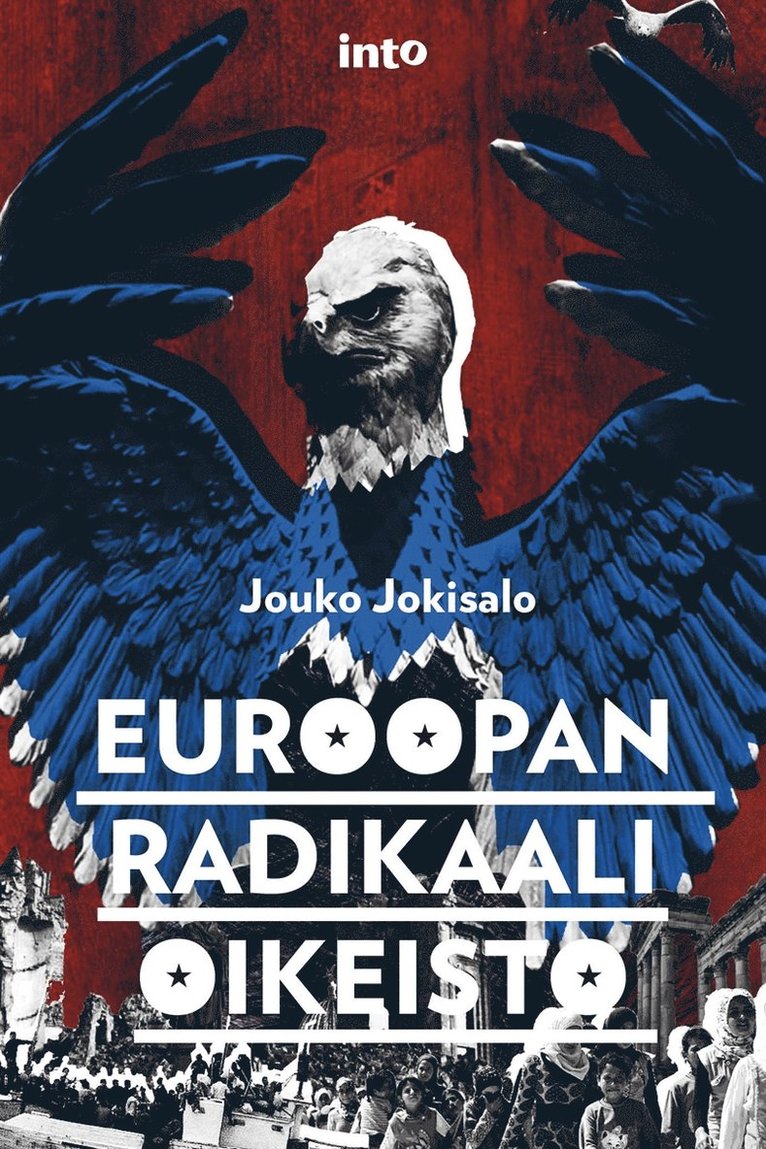
Radikaali oikeisto nousee Länsi-Euroopassa ja murtaa perinteistä puoluejärjestelmää, joka on perustunut sosiaalidemokraattien ja konservatiivien vallanjaolle. Itä-Euroopassa on menossa oikeistopopulistinen vallankumous.Tässä kirjassa dosentti Jouko Jokisalo luotaa radikaalin oikeiston järjestöjä ja liikkeitä uusfasistisista ryhmittymistä oikeistopopulistisiin puolueisiin. Mistä syistä radikaali oikeisto nousee? Mitä ovat sen laajan kannatuksen taloudelliset, yhteiskunnalliset ja poliittiset taustatekijät? Mitä vaihtoehtoja radikaali oikeisto tarjoaa, kun ratkaistavana on nykyinen poliittinen, taloudellinen ja ekologinen kriisi?Jouko Jokisalo on Euroopan historian dosentti, joka väitteli kansallissosialistisen ideologian ja propagandan merkityksestä vuosina 1933-39. Hän on useissa tutkimuksissaan käsitellyt fasismin, antisemitismin ja rasismin historiaa. Jokisalo on julkaissut muun muassa Pekka Isakssonin kanssa teokset Kallonmittaajia ja skinejä - Rasismin aatehistoriaa ja Historian lisälehtiä. Jokisalolla on myös useita julkaisuja luonnonsuojeluliikkeen ja ihmisen luontosuhteen historiasta.
E-bok
Finska, 2024272 kr
Läs direkt efter köp
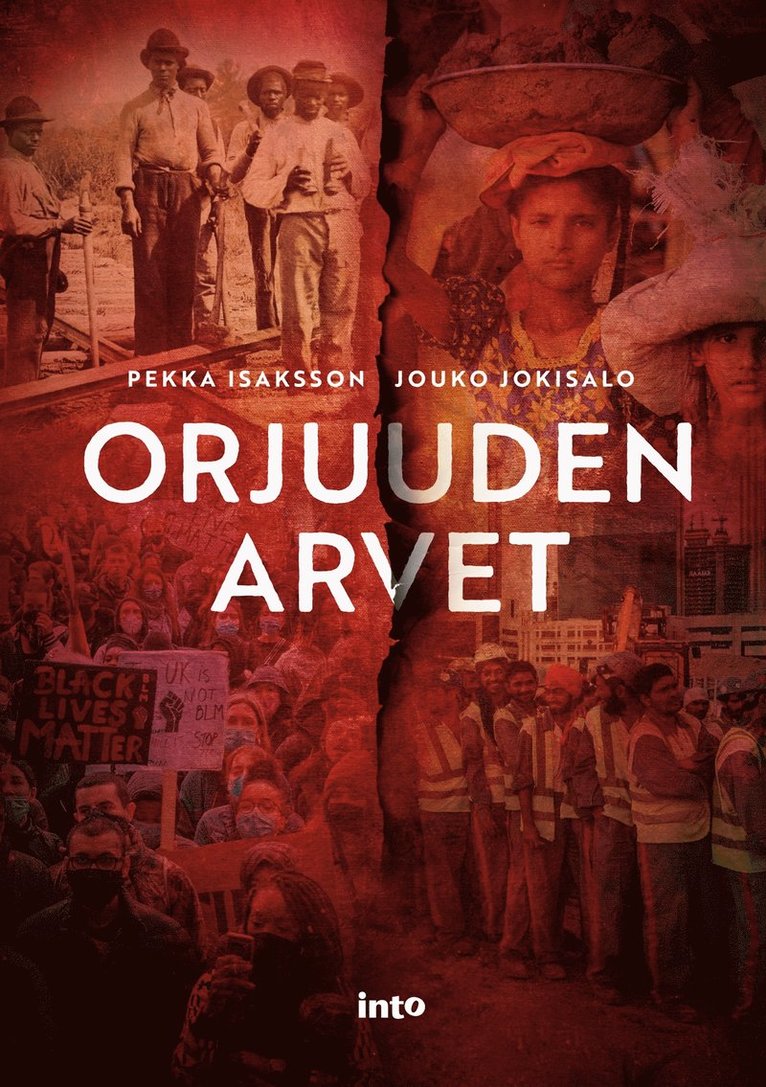
Orjuuden historiaa antiikin ajoista nykypäiväänBlack Lives Matter -liikkeen ansiosta ymmärretään yhä paremmin, että orjuuden barbaarinen historia ei ole menneisyyden sivujuonne. Se on haava, joka voi parantua mutta jonka arvet tuskin koskaan siliävät.Antiikin Kreikan ja Rooman orjayhteiskunnat ovat vaikuttaneet merkittävästi länsimaiden historiaan Ateenasta Auschwitziin. Islamilaisen orjuuden lonkerot ulottuivat Pohjolaan asti. Onko islamilainen orjuus vaiettu kansanmurha?Afrikasta Amerikkaan suuntautunut orjakauppa on ihmiskunnan historian pahimpia ihmisoikeusloukkauksia. Paradoksaalisesti orjien omistaminen esitettiin valistuksen kaudella ihmisoikeutena. Atlanttisen orjuuden lakkauttamisesta on kiitetty joko orjuuden vastaisia kristillis-humanitaarisia liikkeitä tai teollisuuskapitalismia. Orjien vastarinta on unohdettu. Tässä kirjassa orjat saavat sen sijan historiallisina toimijoina, jonka he ovat teoillaan ansainneet. Orjuuden lakkauttaminen ei hävittänyt orjien ja isäntien roturajaa. Vuosisatoja kestäneen alistamisen perinnöksi jäivät viha, ennakkoluulot ja rasismi.Pekka Isaksson on aate- ja oppihistorioitsija. Hän on perehtynyt erityisesti tieteellisen rasismin aatehistoriaan. Jouko Jokisalo on Euroopan historian dosentti (Oulun yo). Hän on viimeksi julkaissut teoksen Euroopan radikaali oikeisto (Into 2016).
Ljudbok
Engelska, 2026262 kr
Lyssna direkt efter köp
The long and barbaric history of slavery has left a mark on the world that can be seen and felt today. It is a wound that can heal, but those scars will likely ever fade.A New History of Slavery explores the history of slavery from ancient times to the present day. The slave societies of ancient Greece and Rome have had a significant impact on Western history, from Athens to Auschwitz; and the tentacles of Islamic slavery reached as far as the Nordic countries. Famously, the slave trade from Africa to America is one of the worst human rights violations in the history of mankind, but during the Age of Enlightenment, slave ownership was paradoxically presented as a human right.The abolition of Atlantic slavery has often been credited either to Christian humanitarian movements or to industrial capitalism. The resistance of the enslaved themselves has been overlooked. In this book, the enslaved are given their rightful place in history. Resistance significantly slowed down the slave trade, saving approximately one million Africans from enslavement. More than 300 slave rebellions broke out on the North American continent, and more in the Caribbean. Historical writing has become more diverse in recent decades, but inaccurate information about slavery persists. It is fueled by ultra-conservative movements and politicians to this day. ”What is particularly good about A New History of Slavery is that the authors write about the enslaved as historical actors who did not resign themselves to their fate. The abolition of slavery was not only the result of opposition from white abolitionists, but also of resistance from the enslaved themselves.” – KulttuuritoimitusJouko Jokisalo is a Finnish historian who has worked as a lecturer of history and social studies at the University of Eastern Finland and as a docent in European history at the University of Oulu. Pekka Isaksson is a Finnish journalist and historian specializing in racism and race theories. Isaksson received his doctorate from the Department of History at the University of Oulu in 2001. He has written books on the history of racist ideas, as well as several popular and scientific articles about racial theories related to the Sámi people.
E-bok
Engelska, 2026256 kr
Läs direkt efter köp
The long and barbaric history of slavery has left a mark on the world that can be seen and felt today. It is a wound that can heal, but those scars will likely ever fade.A New History of Slavery explores the history of slavery from ancient times to the present day. The slave societies of ancient Greece and Rome have had a significant impact on Western history, from Athens to Auschwitz; and the tentacles of Islamic slavery reached as far as the Nordic countries. Famously, the slave trade from Africa to America is one of the worst human rights violations in the history of mankind, but during the Age of Enlightenment, slave ownership was paradoxically presented as a human right.The abolition of Atlantic slavery has often been credited either to Christian humanitarian movements or to industrial capitalism. The resistance of the enslaved themselves has been overlooked. In this book, the enslaved are given their rightful place in history. Resistance significantly slowed down the slave trade, saving approximately one million Africans from enslavement. More than 300 slave rebellions broke out on the North American continent, and more in the Caribbean. Historical writing has become more diverse in recent decades, but inaccurate information about slavery persists. It is fueled by ultra-conservative movements and politicians to this day. ”What is particularly good about A New History of Slavery is that the authors write about the enslaved as historical actors who did not resign themselves to their fate. The abolition of slavery was not only the result of opposition from white abolitionists, but also of resistance from the enslaved themselves.” – KulttuuritoimitusJouko Jokisalo is a Finnish historian who has worked as a lecturer of history and social studies at the University of Eastern Finland and as a docent in European history at the University of Oulu. Pekka Isaksson is a Finnish journalist and historian specializing in racism and race theories. Isaksson received his doctorate from the Department of History at the University of Oulu in 2001. He has written books on the history of racist ideas, as well as several popular and scientific articles about racial theories related to the Sámi people.