Judit Árokay – författare
Visar alla böcker från författaren Judit Árokay. Handla med fri frakt och snabb leverans.
3 produkter
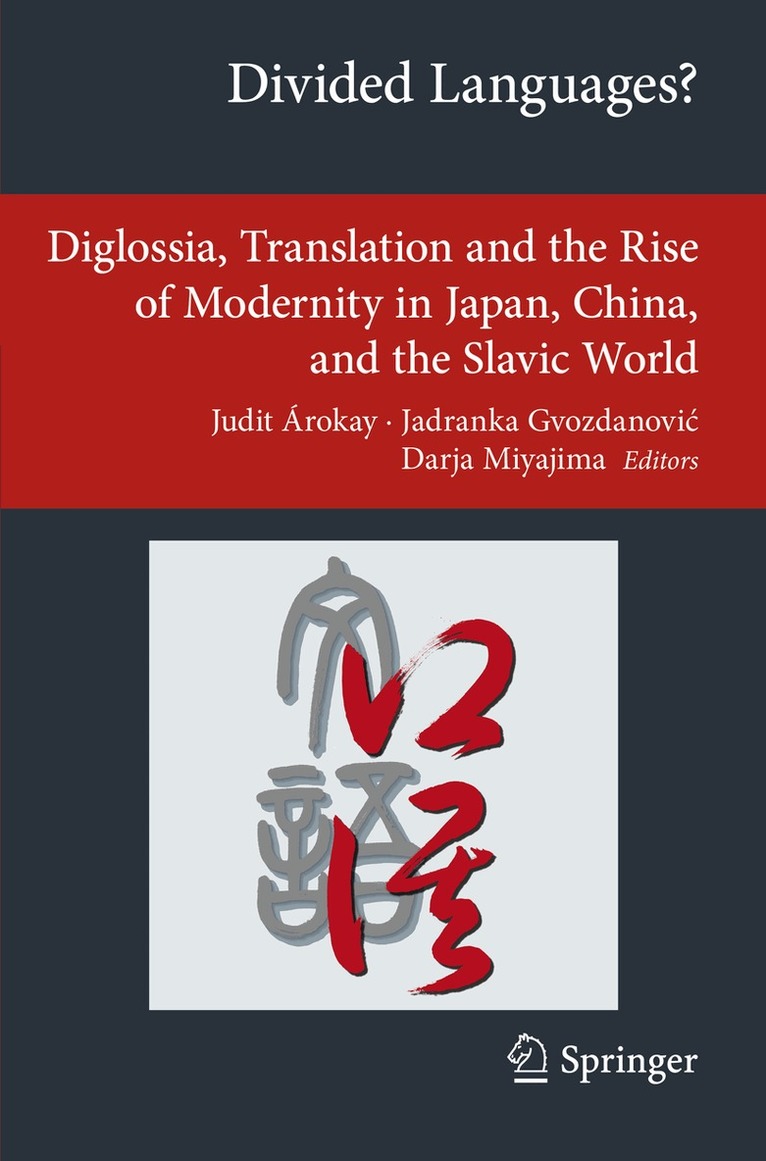
Divided Languages?
Diglossia, Translation and the Rise of Modernity in Japan, China, and the Slavic World
Av Judit Árokay, Jadranka Gvozdanović m. fl.
Häftad, 2014
551 kr
Lägg i varukorg
The present volume is a collection of papers presented at the international conference “Linguistic Awareness and Dissolution of Diglossia” held in July 2011 at Heidelberg University. The aim is to reevaluate and compare the processes of dissolution of diglossia in East Asian and in European …
Divided Languages?
Diglossia, Translation and the Rise of Modernity in Japan, China, and the Slavic World
Av Darja Miyajima, Jadranka Gvozdanovic m. fl.
E-bok, 2014
718 kr
Lägg i varukorg
The present volume is a collection of papers presented at the international conference “Linguistic Awareness and Dissolution of Diglossia” held in July 2011 at Heidelberg University. The aim is to reevaluate and compare the processes of dissolution of diglossia in East Asian and in European …
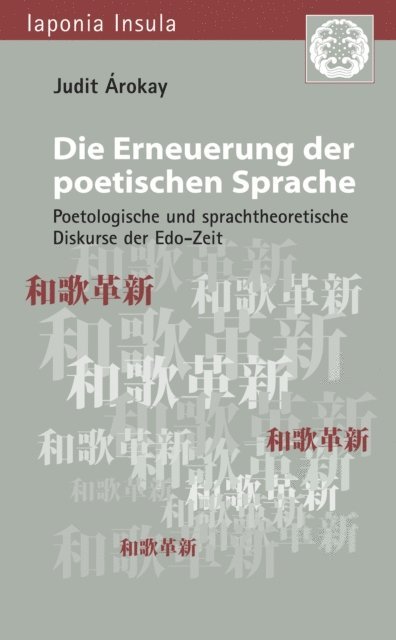
Die Erneuerung der poetischen Sprache
Poetologische und sprachtheoretische Diskurse der Edo-Zeit
Av Judit Arokay
E-bok, 2011
236 kr
Lägg i varukorg
Die poetologische Tradition in Japan eröffnet Perspektiven auf kulturhistorisch zentrale Themen, die weit über die dichterische Praxis einzelner Epochen hinausreichen. Zwar sind die Poetiken immer auch Anleitungen zum Dichten, es zeigt sich aber, dass dort zugleich sehr grundsätzliche Fragen …