Judith Flores Carmona – författare
Visar alla böcker från författaren Judith Flores Carmona. Handla med fri frakt och snabb leverans.
8 produkter
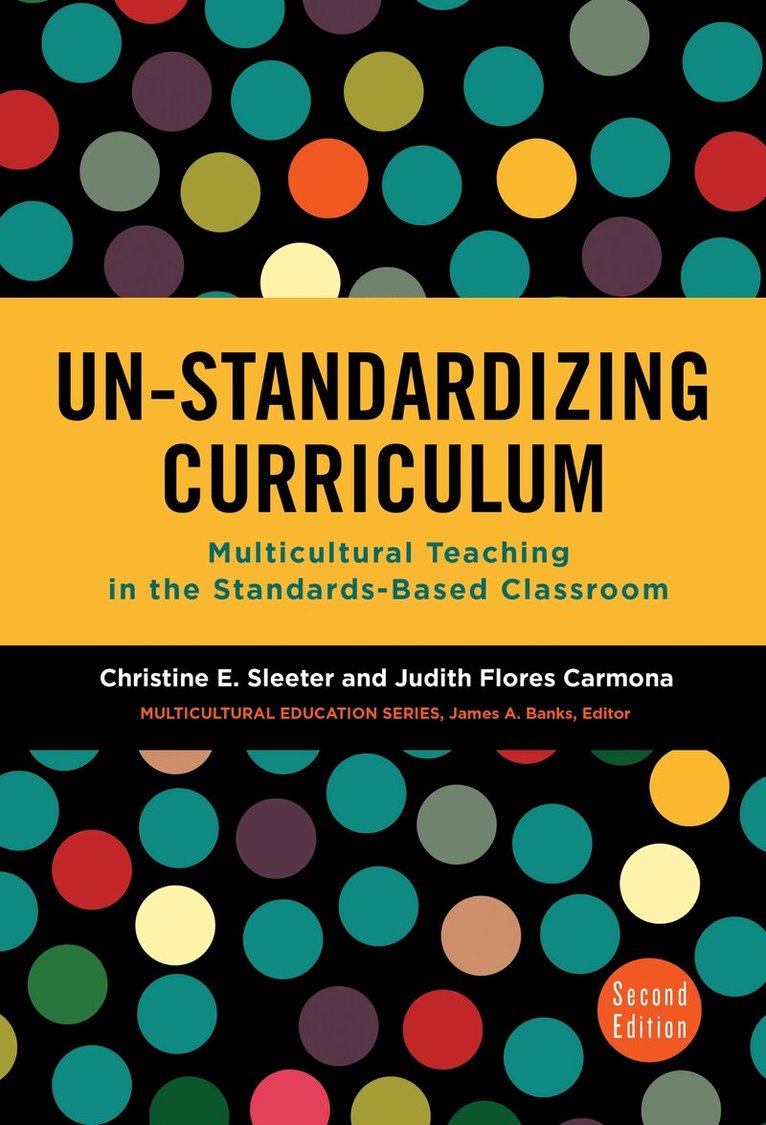
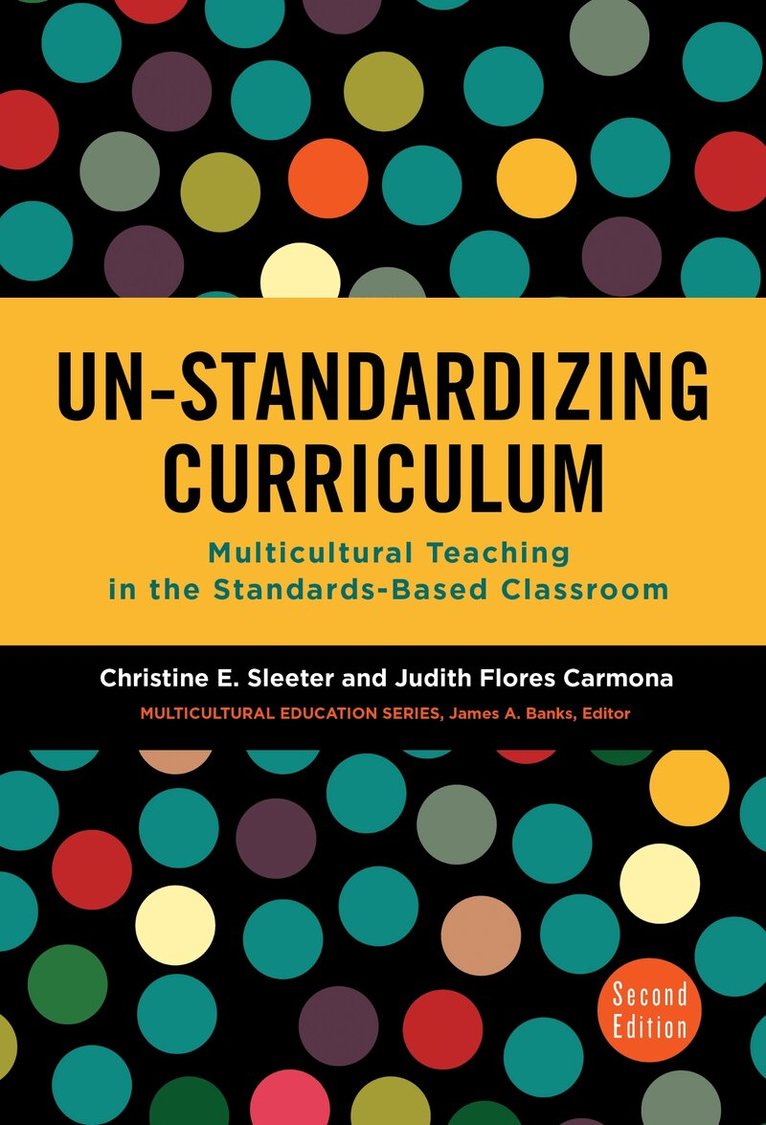
Un-Standardizing Curriculum
Multicultural Teaching in the Standards-Based Classroom
Av Christine E. Sleeter, Judith Flores Carmona m. fl.
Häftad, 2016
441 kr
Lägg i varukorg
In this Second Edition of her bestseller, Christine Sleeter and new co-author Judith Flores Carmona show how educators can learn to teach rich, academically rigorous, multicultural curricula within a standards-based environment. The authors have meticulously updated each chapter to address current …
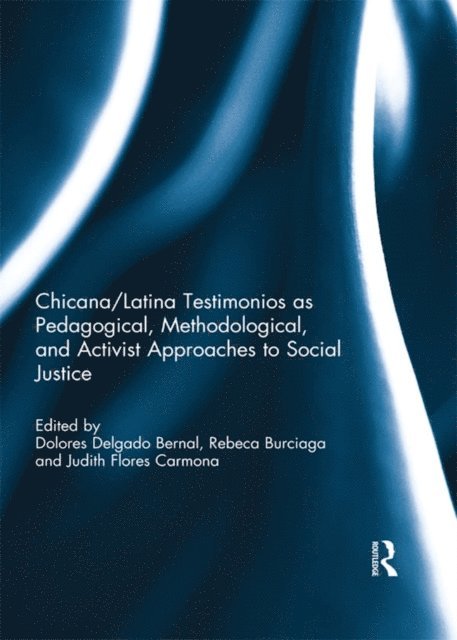
Chicana/Latina Testimonios as Pedagogical, Methodological, and Activist Approaches to Social Justice
Av Dolores Delgado Bernal, Rebeca Burciaga m. fl.
Häftad, 2018
740 kr
Lägg i varukorg
While the genre of testimonio has deep roots in oral cultures and in Latin American human rights struggles, the publication and subsequent adoption of This Bridge Called My Back (Moraga & Anzaldúa, 1983) and, more recently, Telling to Live: Latina Feminist Testimonios (Latina Feminist Group, 2001), …
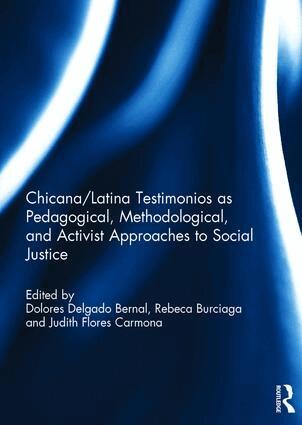
Chicana/Latina Testimonios as Pedagogical, Methodological, and Activist Approaches to Social Justice
Av Dolores Delgado Bernal, Rebeca Burciaga m. fl.
Inbunden, 2015
2433 kr
Lägg i varukorg
While the genre of testimonio has deep roots in oral cultures and in Latin American human rights struggles, the publication and subsequent adoption of This Bridge Called My Back (Moraga & Anzaldúa, 1983) and, more recently, Telling to Live: Latina Feminist Testimonios (Latina Feminist Group, 2001), …
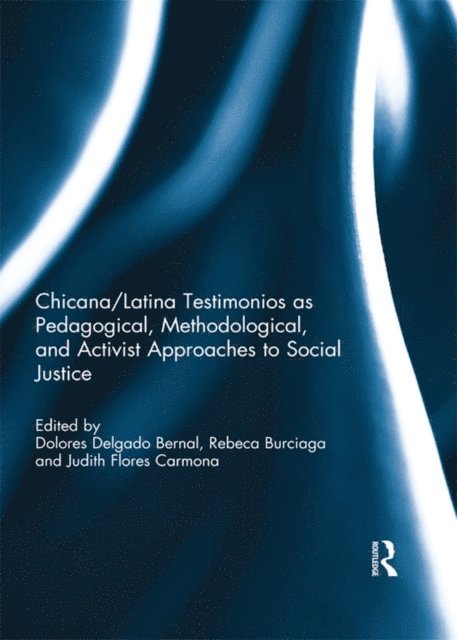
Chicana/Latina Testimonios as Pedagogical, Methodological, and Activist Approaches to Social Justice
Av Judith Flores Carmona, Rebeca Burciaga m. fl.
E-bok, 2017
875 kr
Lägg i varukorg
While the genre of testimonio has deep roots in oral cultures and in Latin American human rights struggles, the publication and subsequent adoption of This Bridge Called My Back (Moraga & Anzaldúa, 1983) and, more recently, Telling to Live: Latina Feminist Testimonios (Latina Feminist Group, 2001), …
Chicana/Latina Testimonios as Pedagogical, Methodological, and Activist Approaches to Social Justice
Av Judith Flores Carmona, Rebeca Burciaga m. fl.
E-bok, 2017
875 kr
Lägg i varukorg
While the genre of testimonio has deep roots in oral cultures and in Latin American human rights struggles, the publication and subsequent adoption of This Bridge Called My Back (Moraga & Anzaldúa, 1983) and, more recently, Telling to Live: Latina Feminist Testimonios (Latina Feminist Group, 2001), …
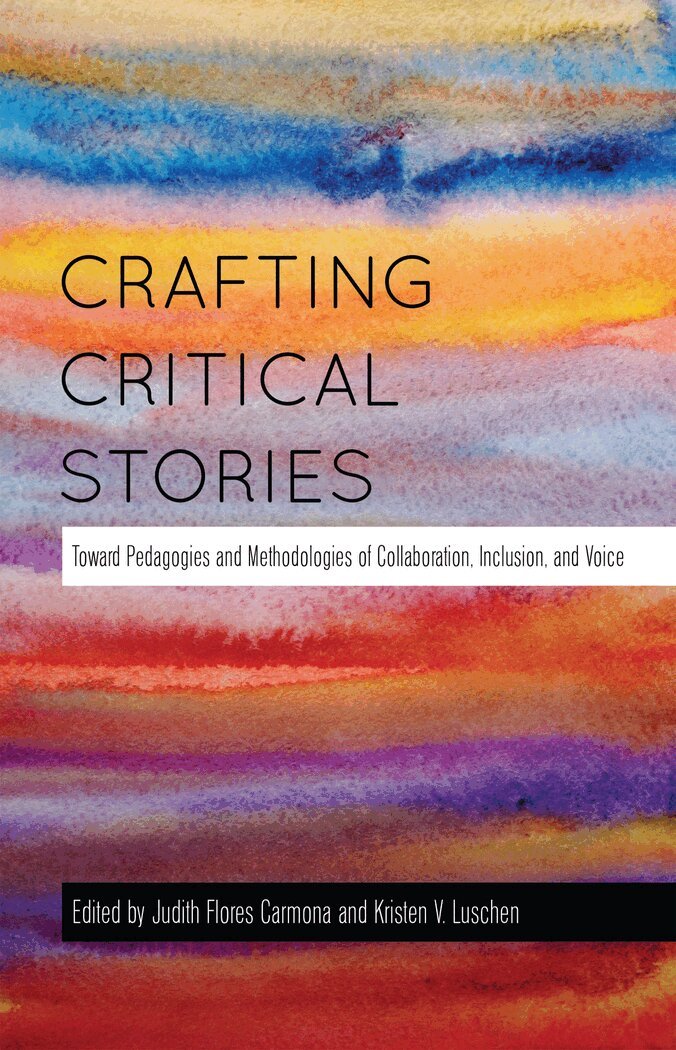
Crafting Critical Stories
Toward Pedagogies and Methodologies of Collaboration, Inclusion, and Voice
Av Judith Flores-Carmona, Kristen V. Luschen
Häftad, 2014
453 kr
Lägg i varukorg
Critical storytelling, a rich form of culturally relevant, critical pedagogy, has gained great urgency in a world of standardization. Crafting Critical Stories asks how social justice scholars and educators narrate, craft, and explore critical stories as a tool for culturally relevant, critical …
Crafting Critical Stories
Toward Pedagogies and Methodologies of Collaboration, Inclusion, and Voice
Av Judith Flores-Carmona, Kristen V. Luschen
Inbunden, 2014
1725 kr
Lägg i varukorg
Critical storytelling, a rich form of culturally relevant, critical pedagogy, has gained great urgency in a world of standardization. Crafting Critical Stories asks how social justice scholars and educators narrate, craft, and explore critical stories as a tool for culturally relevant, critical …
Un-Standardizing Curriculum
Multicultural Teaching in the Standards-Based Classroom
Av Christine E. Sleeter, Judith Flores Carmona m. fl.
Inbunden, 2017
1186 kr
Tillfälligt slut
In this second edition of her bestseller, Christine Sleeter and new coauthor Judith Flores Carmona show how educators can learn to teach rich, academically rigorous, multicultural curricula within a standards-based environment. The authors have meticulously updated each chapter to address current …