Julian J. Faraway – författare
Visar alla böcker från författaren Julian J. Faraway. Handla med fri frakt och snabb leverans.
14 produkter
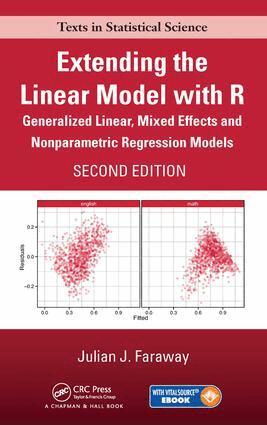
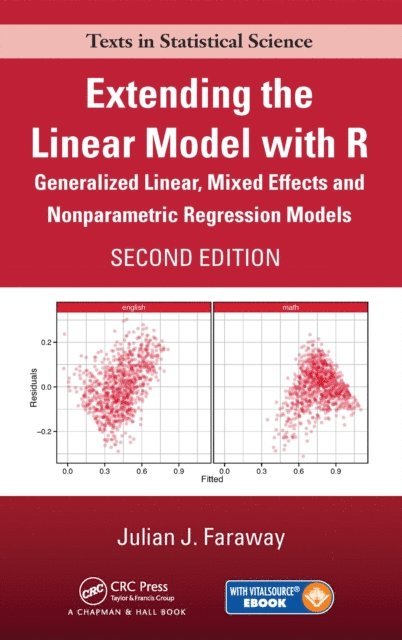
Extending the Linear Model with R
Generalized Linear, Mixed Effects and Nonparametric Regression Models, Second Edition
Inbunden, 2016
1423 kr
Lägg i varukorg
Start Analyzing a Wide Range of Problems Since the publication of the bestselling, highly recommended first edition, R has considerably expanded both in popularity and in the number of packages available. Extending the Linear Model with R: Generalized Linear, Mixed Effects and Nonparametric …
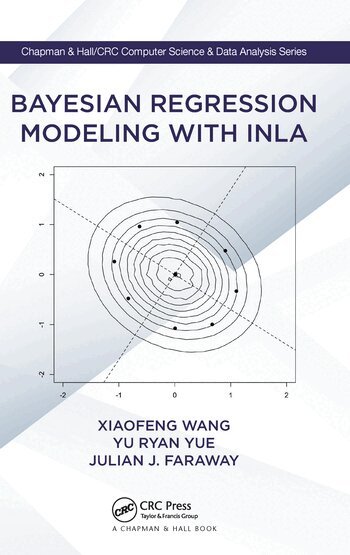
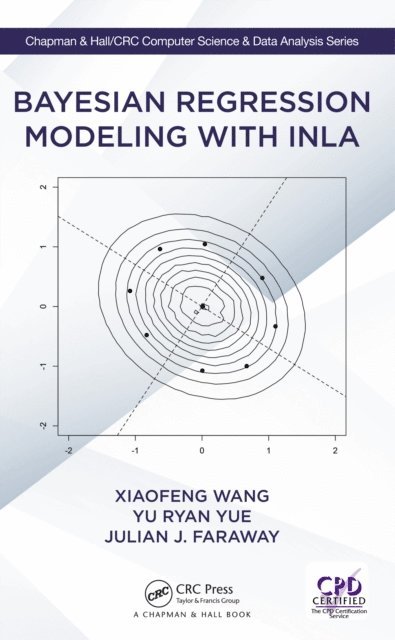
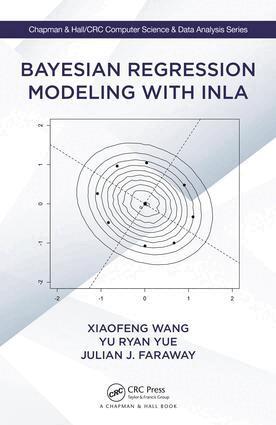
Bayesian Regression Modeling with INLA
Av Xiaofeng Wang, Yu Ryan Yue m. fl.
Häftad, 2020
808 kr
Lägg i varukorg
INLA stands for Integrated Nested Laplace Approximations, which is a new method for fitting a broad class of Bayesian regression models. No samples of the posterior marginal distributions need to be drawn using INLA, so it is a computationally convenient alternative to Markov chain Monte Carlo …
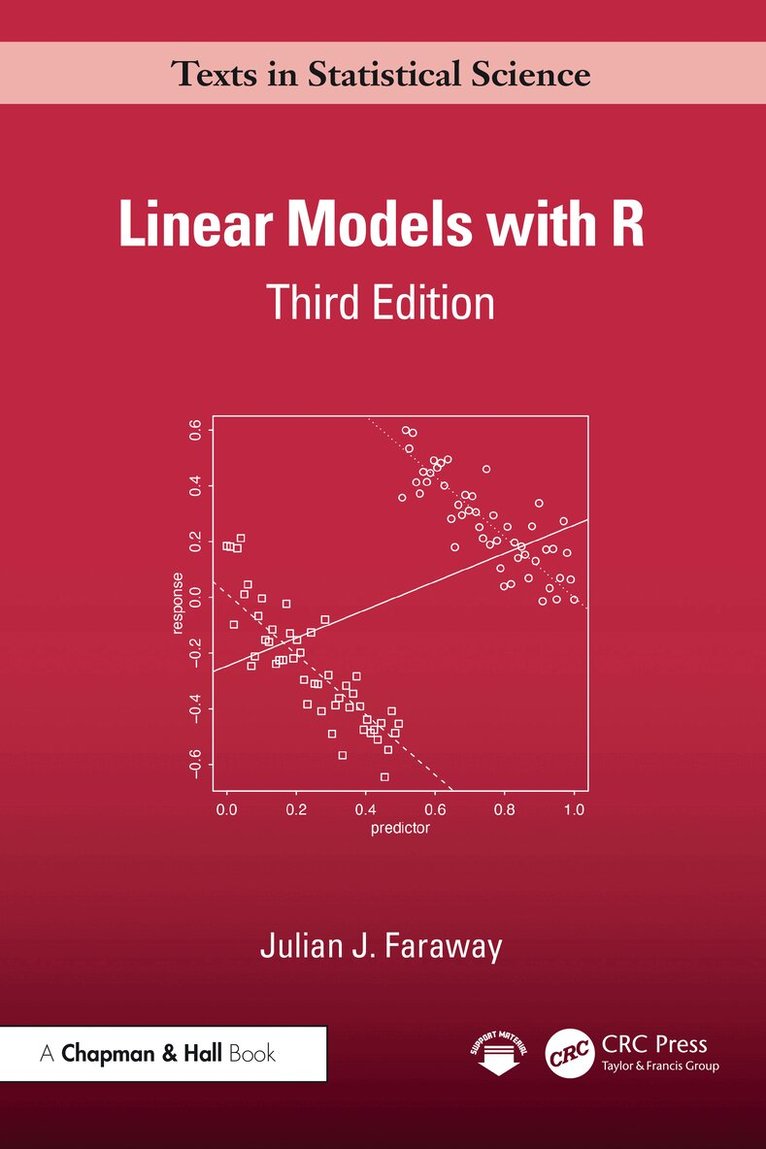
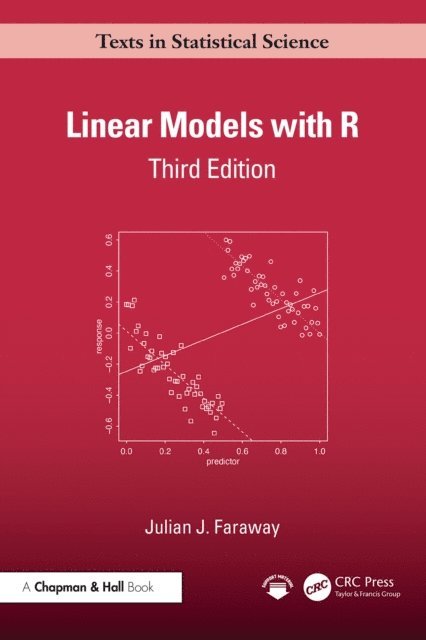
Linear Models with R
Inbunden, 2025
1526 kr
Lägg i varukorg
A Hands-On Way to Learning Data AnalysisPart of the core of statistics, linear models are used to make predictions and explain the relationship between the response and the predictors. Understanding linear models is crucial to a broader competence in the practice of statistics. Linear Models with …
Linear Models with R
E-bok, 2025
1524 kr
Lägg i varukorg
A Hands-On Way to Learning Data Analysis Part of the core of statistics, linear models are used to make predictions and explain the relationship between the response and the predictors. Understanding linear models is crucial to a broader competence in the practice of statistics. Linear Models with …
Linear Models with R
E-bok, 2025
1524 kr
Lägg i varukorg
A Hands-On Way to Learning Data Analysis Part of the core of statistics, linear models are used to make predictions and explain the relationship between the response and the predictors. Understanding linear models is crucial to a broader competence in the practice of statistics. Linear Models with …
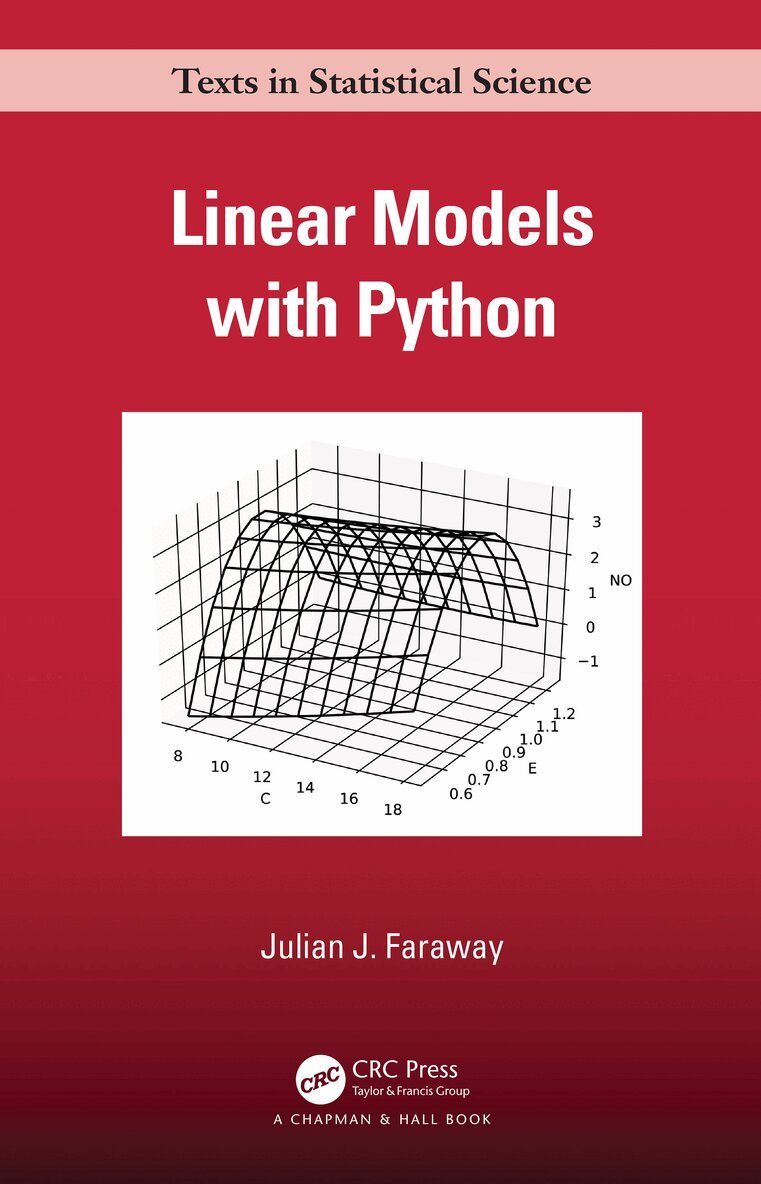
Linear Models with Python
Inbunden, 2020
1526 kr
Lägg i varukorg
Praise for Linear Models with R:This book is a must-have tool for anyone interested in understanding and applying linear models. The logical ordering of the chapters is well thought out and portrays Faraway’s wealth of experience in teaching and using linear models. … It lays down the material in a …
Linear Models with Python
E-bok, 2021
1664 kr
Lägg i varukorg
Praise for Linear Models with R: This book is a must-have tool for anyone interested in understanding and applying linear models. The logical ordering of the chapters is well thought out and portrays Faraway’s wealth of experience in teaching and using linear models. … It lays down the material in …
Linear Models with Python
E-bok, 2021
1677 kr
Lägg i varukorg
Praise for Linear Models with R: This book is a must-have tool for anyone interested in understanding and applying linear models. The logical ordering of the chapters is well thought out and portrays Faraway’s wealth of experience in teaching and using linear models. … It lays down the material in …
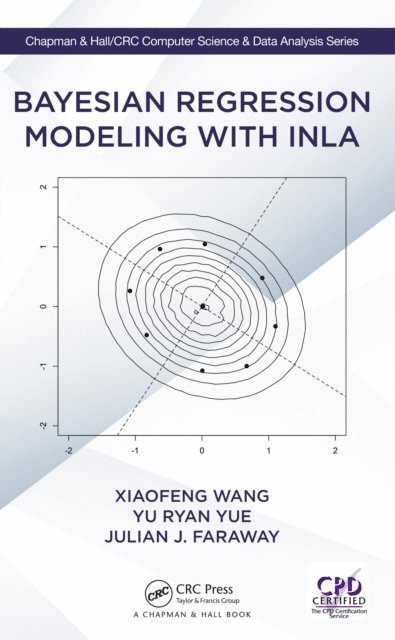
Bayesian Regression Modeling with INLA
Av Julian J. Faraway, Yu Ryan Yue m. fl.
E-bok, 2018
953 kr
Lägg i varukorg
INLA stands for Integrated Nested Laplace Approximations, which is a new method for fitting a broad class of Bayesian regression models. No samples of the posterior marginal distributions need to be drawn using INLA, so it is a computationally convenient alternative to Markov chain Monte Carlo …
Bayesian Regression Modeling with INLA
Av Julian J. Faraway, Yu Ryan Yue m. fl.
E-bok, 2018
953 kr
Lägg i varukorg
INLA stands for Integrated Nested Laplace Approximations, which is a new method for fitting a broad class of Bayesian regression models. No samples of the posterior marginal distributions need to be drawn using INLA, so it is a computationally convenient alternative to Markov chain Monte Carlo …
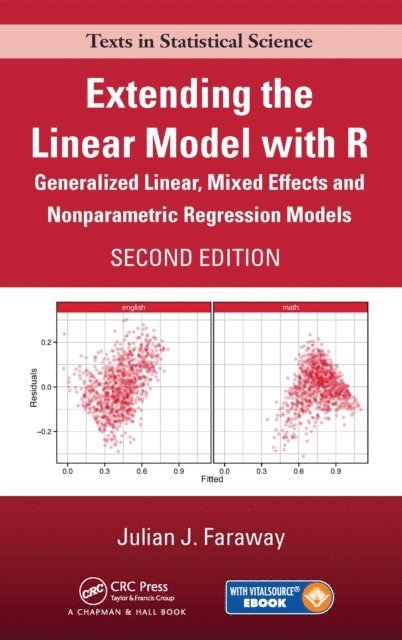
Extending the Linear Model with R
Generalized Linear, Mixed Effects and Nonparametric Regression Models, Second Edition
E-bok, 2016
1680 kr
Lägg i varukorg
Start Analyzing a Wide Range of Problems Since the publication of the bestselling, highly recommended first edition, R has considerably expanded both in popularity and in the number of packages available. Extending the Linear Model with R: Generalized Linear, Mixed Effects and Nonparametric …
Extending the Linear Model with R
Generalized Linear, Mixed Effects and Nonparametric Regression Models, Second Edition
E-bok, 2016
1680 kr
Lägg i varukorg
Start Analyzing a Wide Range of Problems Since the publication of the bestselling, highly recommended first edition, R has considerably expanded both in popularity and in the number of packages available. Extending the Linear Model with R: Generalized Linear, Mixed Effects and Nonparametric …
Bayesian Regression Modeling with INLA
Av Xiaofeng Wang, Yu Ryan Yue m. fl.
Inbunden, 2018
1526 kr
Lägg i varukorg
INLA stands for Integrated Nested Laplace Approximations, which is a new method for fitting a broad class of Bayesian regression models. No samples of the posterior marginal distributions need to be drawn using INLA, so it is a computationally convenient alternative to Markov chain Monte Carlo …
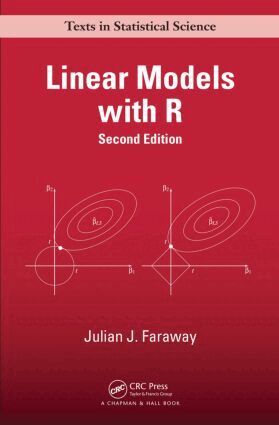
Linear Models with R
Inbunden, 2014
930 kr
Tillfälligt slut
A Hands-On Way to Learning Data AnalysisPart of the core of statistics, linear models are used to make predictions and explain the relationship between the response and the predictors. Understanding linear models is crucial to a broader competence in the practice of statistics. Linear Models with …