Julian Molina – författare
1 074 kr
Läs direkt efter köp
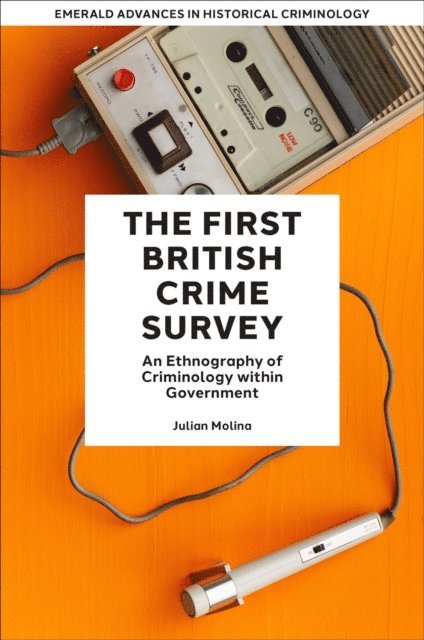
The First British Crime Survey: An Ethnography of Criminology within Government explores the early history of the British Crime Survey, now the Crime Survey for England & Wales, a research enterprise widely perceived to be an international gold standard for the measurement of crime.
Over the past forty years, the survey has reshaped public debate with new insights into patterns of crime and perceptions of the criminal justice system. Currently, the administrative origins of the survey can be traced to the growing influence of an international network of criminologists and public officials focused on crime prevention and measurement, the organisation of Home Office research programmes, and public officials’ concerns about urban uprisings, efficiency reforms, media coverage, and the politics of crime.
The First British Crime Survey: An Ethnography of Criminology within Government examines the history of this survey through the work practices of the ‘crime survey circus’ which developed new methods for counting and reporting crime. Julian Molina provides a novel contribution to the understanding of how government officials, academics, and ‘administrative criminologists’ address the practical challenges associated with new, large-scale data projects. This ethnography draws on archival sources, interviews with government officials and criminologists, and the author’s experience using survey data within government.
A crucial resource for understanding the history of the British Crime Survey, The First British Crime Survey: An Ethnography of Criminology within Government appeals to those interested in the relations between ‘law and order’ politics, crime statistics, administrative criminology, and the criminal justice system.
1 026 kr
Skickas inom 5-8 vardagar
1 074 kr
Läs direkt efter köp
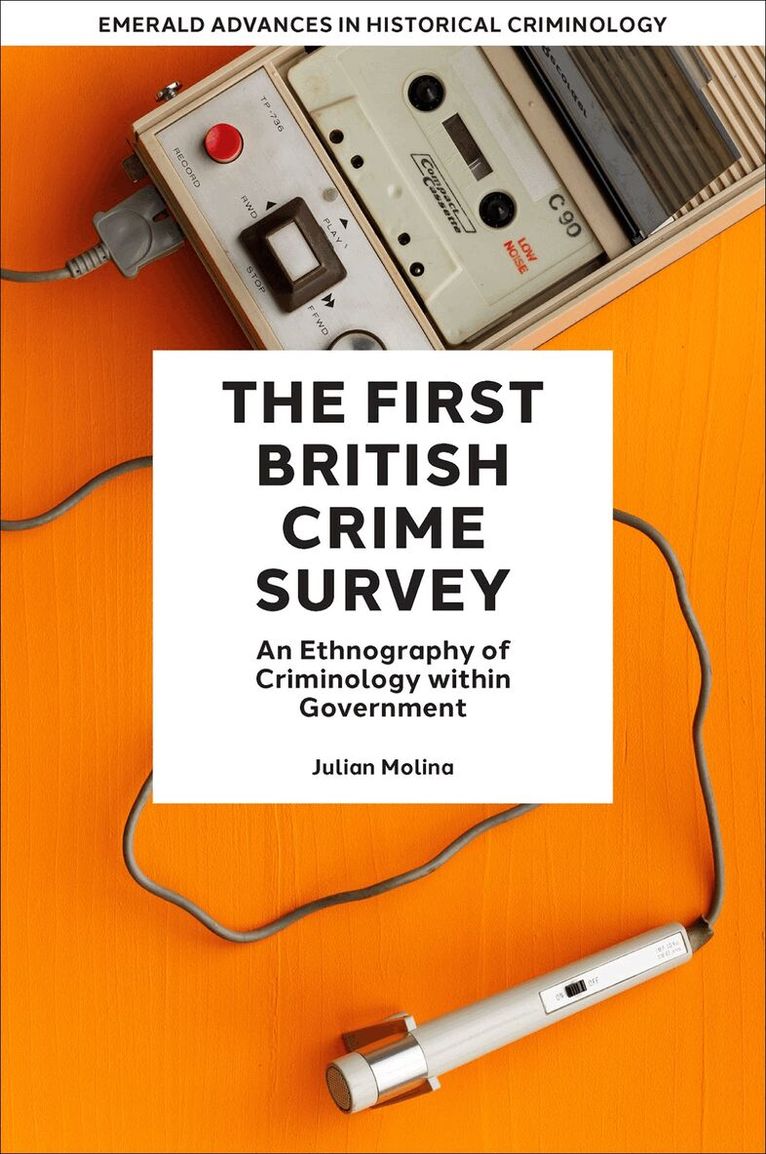
The First British Crime Survey: An Ethnography of Criminology within Government explores the early history of the British Crime Survey, now the Crime Survey for England & Wales, a research enterprise widely perceived to be an international gold standard for the measurement of crime.
Over the past forty years, the survey has reshaped public debate with new insights into patterns of crime and perceptions of the criminal justice system. Currently, the administrative origins of the survey can be traced to the growing influence of an international network of criminologists and public officials focused on crime prevention and measurement, the organisation of Home Office research programmes, and public officials’ concerns about urban uprisings, efficiency reforms, media coverage, and the politics of crime.
The First British Crime Survey: An Ethnography of Criminology within Government examines the history of this survey through the work practices of the ‘crime survey circus’ which developed new methods for counting and reporting crime. Julian Molina provides a novel contribution to the understanding of how government officials, academics, and ‘administrative criminologists’ address the practical challenges associated with new, large-scale data projects. This ethnography draws on archival sources, interviews with government officials and criminologists, and the author’s experience using survey data within government.
A crucial resource for understanding the history of the British Crime Survey, The First British Crime Survey: An Ethnography of Criminology within Government appeals to those interested in the relations between ‘law and order’ politics, crime statistics, administrative criminology, and the criminal justice system.
153 kr
Läs direkt efter köp
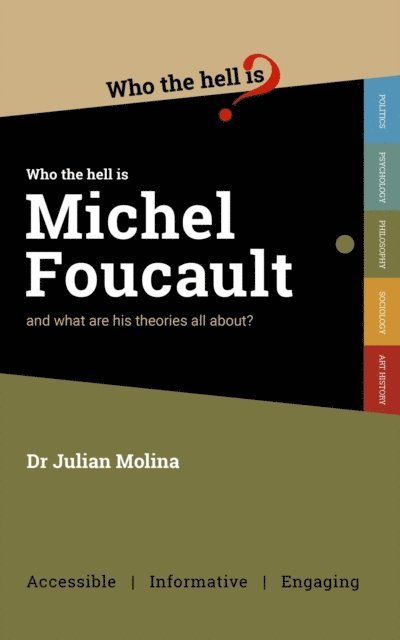
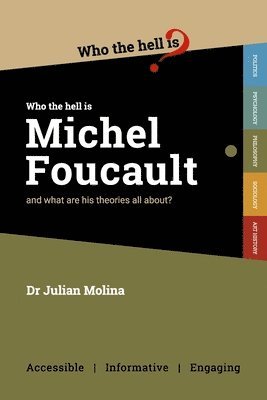
A philosopher, social theorist, historian and literary critic, Michel Foucault is one of the most influential scholars of his time. Focusing primarily on the relationship between knowledge and power, he looked at how power is used in our society to control and define knowledge. Who the Hell is Michel Foucault? looks at who this brilliant and controversial thinker was as a person, and who influenced him along the way, before really getting to grips with what his original and often complicated ideas are really all about.
Chapter 1: Foucault''s Life Story
Chapter 2: Influences on Foucault''s Thinking
Chapter 3: Archaeology of the Human Sciences
This chapter delves into the key ideas behind Foucault''s ''archaeological'' method that he used in his approach to the history of thought.
Chapter 4: Technologies of Power
This chapter focuses on Foucault''s analysis of power in all their forms: Sovereign, Disciplinary, and Biopower.
Chapter 5: Practices of the Self
The final chapter looks at Foucault''s theory on the quest to find the true self, which he sees as being on two different levels: the passive self that is searched for; and the active self which becomes the searcher.
367 kr
Skickas inom 3-6 vardagar
352 kr
Skickas inom 3-6 vardagar
162 kr
Tillfälligt slut