Julie Field – författare
Visar alla böcker från författaren Julie Field. Handla med fri frakt och snabb leverans.
2 produkter
2 produkter
Häftad, Engelska, 2020
431 kr
Skickas
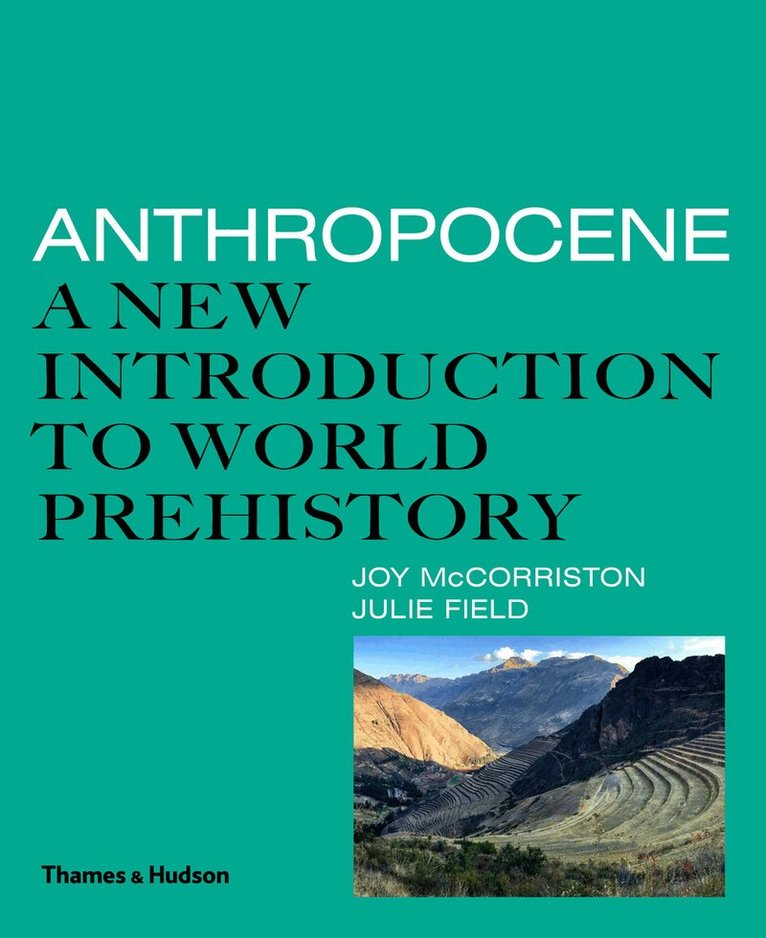
How do we connect students today to our human world prehistory? This first edition covers essential topics of world prehistory through the lens of the Anthropocene. Each chapter focuses on how and why humans have transformed the Earth through time, linking prehistory to today’s global challenge of climate change. Supported by unmatched digital learning resources including an adaptive learning tool, InQuizitive, this book engages and inspires students to understand how we got here and how we can draw on the past to make better choices in the future.
Häftad, Engelska, 2017
471 kr
Skickas inom 3-6 vardagar
At the base of a steep cliff towering some 500 feet above the coast of the remote Na Pali district on the island of Kaua'i, lies the spectacular historical and archaeological site at Nu'alolo Kai. First excavated by Bishop Museum archaeologists between 1958 and 1964, the site contained the well-preserved remains of one of the largest and most diverse arrays of traditional and historic artifacts ever found in Hawai'i. The house sites that constitute the focus of Abundance and Resilience were built over five centuries of occupation and contained deeply buried, stratified deposits extending more than nine feet beneath the surface. The essays in this volume detail the work of archaeologists associated with the University of Hawai'i who have been compiling and studying the animal remains recovered from the excavations. The contributors discuss the range of foods eaten by Hawaiians, the ways in which particular species were captured and harvested, and how these practices might have evolved through changes in the climate and natural environment. Adding to this are analyses of a sophisticated material culture—how ancient Hawaiians fashioned animal remains into artifacts such as ornaments made of shell, pointed bird bone ""pickers,"" sea urchin and coral files and abraders, turtle shell combs, and bone handles for kahili (feathered standards) used by Hawaiian royalty. For researchers, Nu'alolo Kai opened up the world of everyday life of indigenous Hawaiians between AD 1400 and 1900. More importantly, we learn how their procurement and utilization of animals—wild marine organisms and birds, as well as domesticated dogs and pigs—affected local resources. Demonstrating that an increased preference for introduced animals, such as dogs and pigs, effectively limited negative impacts on wild animal resources, the essays in Abundance and Resilience collectively argue that the Hawaiian community of Nu'alolo Kai practiced a sustainable form of animal resource procurement and management for five centuries.