Julie K. Briggs - Böcker
Visar alla böcker från författaren Julie K. Briggs. Handla med fri frakt och snabb leverans.
3 produkter
3 produkter
462 kr
Skickas inom 5-8 vardagar
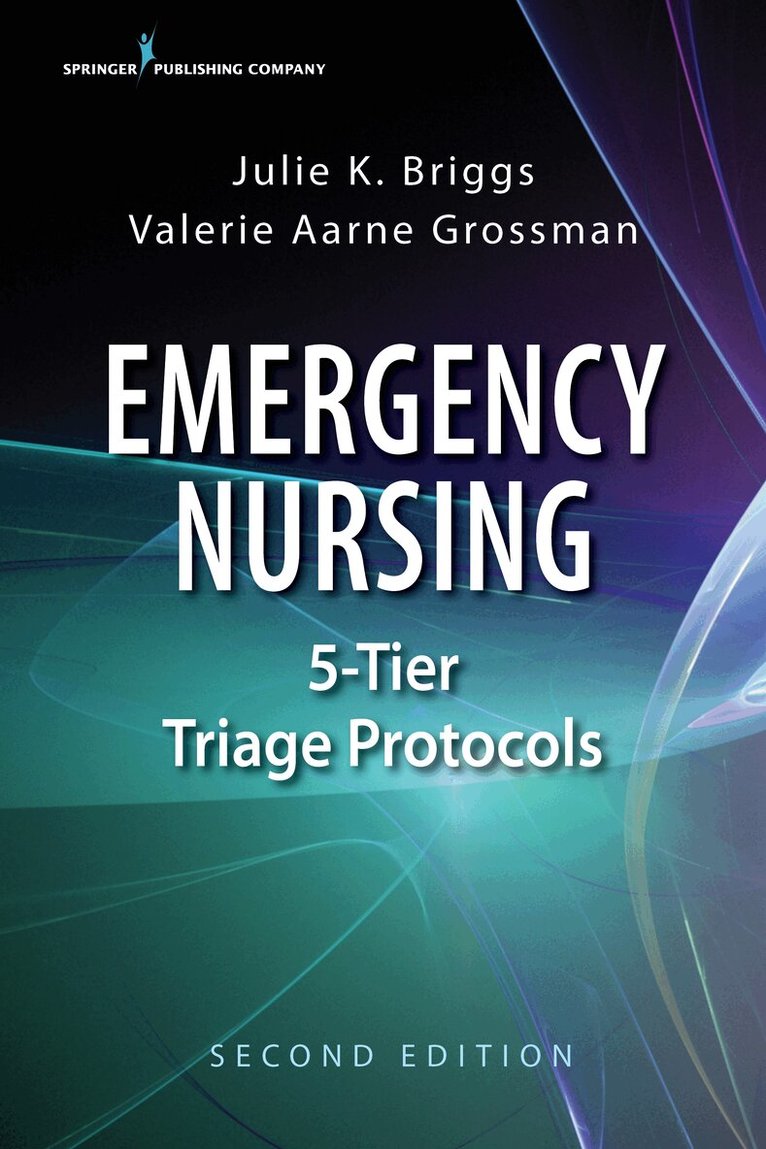
“The authors not only encourage data gathering, they emphasize the qualities of personal interactions, courtesy and sensitivity, and consideration to upgrade triage category when history is hampered by youth, age, impairment of faculties, or language ability that might otherwise conceal potential problems. Appropriate treatments to initiate at triage are indicated where needed. This book puts forward a practical way of coming back to basics and helps categorize priority for patients. As an educator or manager, I would feel confident that, with it, my nurses are being prepared to make safe decisions with an accurate program that reflects current thinking in triage strategy.”-Tom Trimble, RN, CEN, BA, ASN, AAEditor and PublisherEmergency Nursing WorldThis critical-thinking blueprint for the triage nurse delivers essential knowledge for accurate decision-making in emergency triage situations. Formatted to provide easily accessible and retrievable information, the manual facilitates rapid recognition and understanding of acuity levels and their application to patient care. The newly updated second edition reflects current health conditions and scenarios in EDs, urgent care centers, offices, and first aid centers, both domestic and international. It contains important new information on program development, training, and quality management along with useful tips and tools. Completely new protocols, additional case studies, and quality management guidelines and tools further add to the merit of the second edition.The resource addresses a wide range of both adult and pediatric conditions that are system-based and listed in alphabetical order. Each protocol has been developed to ensure accuracy and consistency, regardless of which 5-tier triage system is in use. Abundant case studies and multiple appendices provide additional information to support the protocols, broadening the nurse’s scope of knowledge and prompting in-depth examination of potentially lethal conditions. Additionally, appendices contain valuable training materials for program development, training, and quality management tips and tools.New to the Second Edition:Updated protocols reflecting current health conditions/situations in EDs, urgent care centers, offices, and first aid centersImportant new information on program development, training, and quality management tips and toolsAdditional material including mass casualty, exposure (biological, chemical, disease), military care, infections (isolation concerns), behavioral issues (violence), and narcotic overdoseNew case studiesDeveloping a triage programQuality management guidelines and toolsKey Features:Facilitates consistency in triage decisions among different nursesUses health care resources appropriately and efficientlySets minimum expectations for triage decisionsGuides nurses in asking the right questions, determining how soon the patient must be seen, and interventions to considerServes as a valuable reference for both new and experienced nursesServes as a training tool in orientation
889 kr
Skickas inom 7-10 vardagar
Provide optimal, evidence-based triage assessment, advice, and protocols, with Triage Protocols for Aging Adults .The 190 evidence-based protocols offered here address a wide range of symptoms, disorders, and emergencies affecting those 50 and older. Flip quickly to the right symptom and ask the questions listed there to determine whether the individual requires emergency, same-day, or home care. Whether you are in family practice or are a triage nurse working at a hospital, urgent care center, or insurance company, this is the go-to reference to keep by your side.Advance your evidence-based triage skills and protocols with: Easy-to-follow f lowchart format that leads you from yes-or-no questions to assessment, recommendations, and clear instructions190 protocols that cover the most common conditions faced by aging adults—all body systems, plus weakness, falls, loss of memory, poor appetite, medication interaction problems, and moreAlpha-organized table of contents that helps you locate symptoms quicklyContents also organized by body system for quick-find protocolsProtocols that have symptom-based titles and address issues affecting all body systems, such as abdominal pain and swelling, alcohol problems, allergic reactions, altered mental status, asthma, earache, elder abuse, joint pain/swelling, and moreAll protocols reviewed by a team of nursing expertsAction column of each protocol that presents emergency actions firstCoverage of the legal aspects of triageTools and sample forms – telephone triage protocol form, triage documentation form, triage log, skills assessment, call documentation review, and teaching self-assessment guideChapter features include:Key Questions – name, age, onset, medications, pain scale, associated symptoms, and historyOther Protocols to Consider – lists related protocols and their page numbersHealth Alert – additional information to consider when choosing a protocol, with additional resources listedAssessment Questions and Actions – with specific actions under each yes-or-no answerHome Care Instructions – detailed instructions sections that explain care to be given before emergency help arrives, while waiting for an appointment, or for ongoing home careReport the Following Problems to Your PCP/Clinic/ED – symptoms or conditions that should be reported to their usual healthcare providerSeek Emergency Care Immediately if Any of the Following Occur – symptoms or conditions that require emergency careYour book purchase includes a complimentary download of the enhanced eBook for iOS™, Android™, PC, and Mac. Take advantage of these practical features that will improve your eBook experience: The ability to download the eBook on multiple devices at one time—providing a seamless reading experience online or offlinePowerful search tools and smart navigation cross-links that allow you to search within this book, or across your entire library of VitalSource eBooksMultiple viewing options that enable you to scale images and text to any size without losing page clarity as well as responsive designThe ability to highlight text and add notes with one click
1 006 kr
Tillfälligt slut
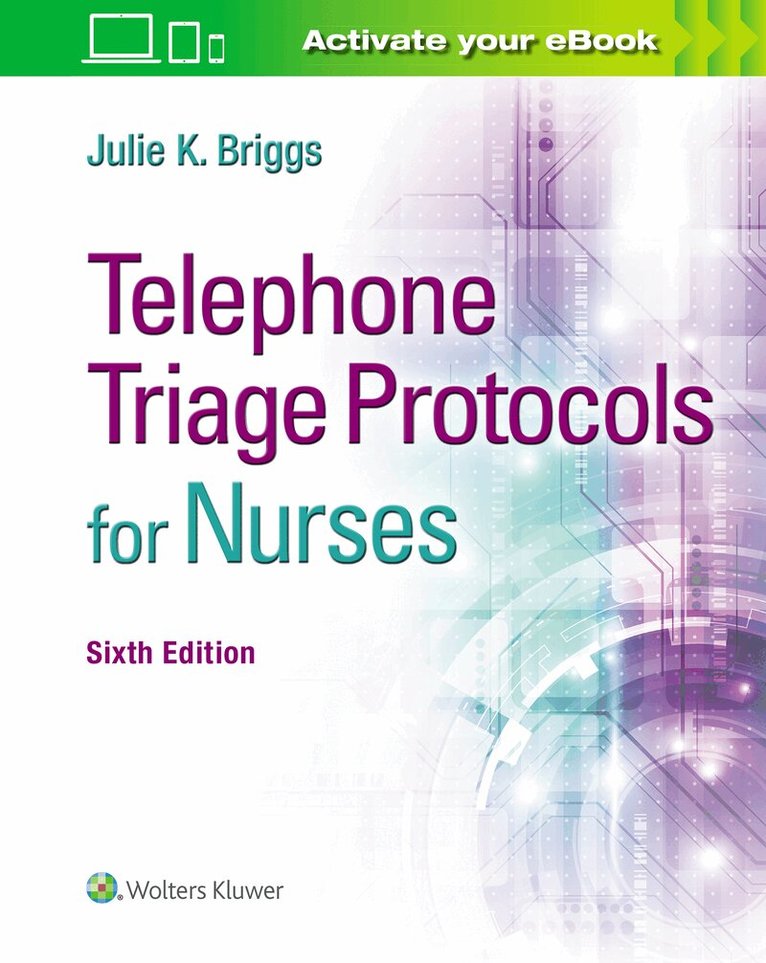
Assess the nature and severity of callers’ symptoms quickly and confidently, with Telephone Triage Protocols for Nurses, 6th Edition. More than 200 alpha-organized protocols address a wide range of symptoms, disorders and medical emergencies, while the flow chart format leads callers to provide vital Yes or No answers to appropriate questions. This comprehensive manual – a must-have for nurses both new and experienced – offers accurate care recommendations even when client information is limited.Follow expert direction and make quick, accurate assessments … NEW and updated protocols offer current best practices and reflect changes in access to medications and health careProtocols address adult, pediatric, geriatric, maternal/child, home health concerns, current health issues, and communicable disease outbreaksNEW protocols include arthritis, chronic obstructive pulmonary disease (COPD), elder abuse, stroke symptoms, and Zika virusPost-operative conditions and considerations have been added to numerous protocolsExpanded appendices include altered mental status, PTSD, suicide prevention, and emergency preparednessAlpha-organized protocols help you quickly locate topics by symptom or conditionTable of contents by body system helps you quickly locate topics by body system, body part or set of related symptomsPeer-reviewed by nursing expertsEasy-to-follow question-asking flow chart – Yes or No answers lead to specific care recommendationsIdeal guidance for all nurses, particularly those in triage and ambulatory practiceSorts life-threatening problems from those not requiring physician or emergency careIncreases consistency of advice and documentationNurse Alerts – help the nurse identify potentially life-threatening conditions related to the symptoms and provides additional information to consider when choosing a protocol or triaging the caller’s concernSymptoms alpha-organized and grouped by level of urgency, addressing injuries, trauma, pain, swelling and other symptoms for:Body part problemsBody system problemsChronic and infectious diseasesBehavioral problemsPediatric-specific problemsMaternal/obstetric specific problems or conditionsSections under every symptom or condition include:Key Questions to ask callerOther Protocols to ConsiderReminder – what to note for proper documentationAssessment – Yes or No questions to determine the urgency of symptoms or conditionsActions – clear direction following Yes or No answers to questionsImmediate actions – proven protocols that refer caller to emergency, physician, or at-home care instructionsHome Care Instructions – comprehensive actions to take before emergency care, before appointment, or at-home careEmergency Instructions – in-the-moment first aidReport the Following Problems – what caller should tell their personal or ER physicianSeek Emergency Care Immediately – if certain symptoms occurReminder to determine if caller agrees with the advice provided and if not, reevaluateMust-have resource for medical offices, clinics, schools, community referrals, emergency departments, urgent care centers, home health agencies and managed healthcare providers About the Author Julie Briggs, RN, BSN, MHA, has an extensive background in Emergency Nursing, Management, Telephone Triage, Emergency Preparedness, Utilization Review and Quality Management. She is currently providing consulting and training services. She has been employed by Providence Health and Services in Portland, Oregon for the past 15 years in the capacity of Medical Management RN Care Coordinator and as the Manager of the Emergency Department at Providence St. Vincent Medical Center. Additionally, she served in the role of Director for multiple units including the Emergency Department, Critical Care, Cardiac Cath Lab, Ambulatory Care, and Radiology for 13 years at Good Samaritan Medical Center in Puyallup, Washington. She has authored numerous books in Telephone Triage, Emergency Nursing Triage, and Homemaker/Home Health Aide Training.