Julie K. deGraffenried – författare
Visar alla böcker från författaren Julie K. deGraffenried. Handla med fri frakt och snabb leverans.
4 produkter
4 produkter
710 kr
Läs direkt efter köp
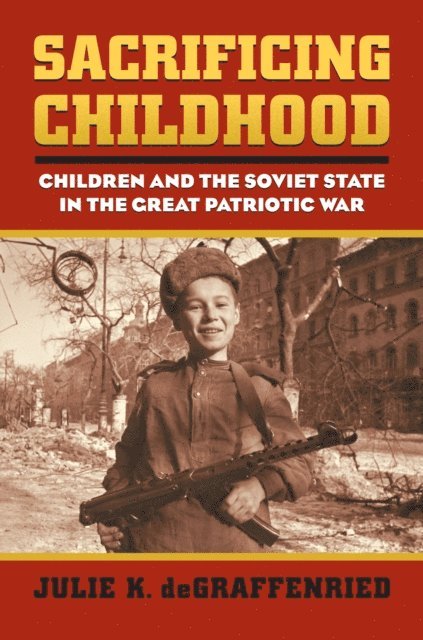
During the Soviet Union''s Great Patriotic War, from 1941 to 1945, as many as 24 million of its citizens died. 14 million were children ages fourteen or younger. And for those who survived, the suffering was far from over. The prewar Stalinist vision of a "happy childhood" nurtured by a paternal, loving state had given way, out of necessity. What replaced it—the dictate that children be prepared to sacrifice everything, including childhood itself—created a generation all too familiar with deprivation, violence, and death. The experience of these children, and the role of the state in shaping their narrative, are the subject of this book, which fills in a critical but neglected chapter in the Soviet story and in the history of World War II. In Sacrificing Childhood, Julie deGraffenried chronicles the lives of the Soviet wartime children and the uses to which they were put—not just as combatants or workers in factories and collective farms, but also as fodder for propaganda, their plight a proof of the enemy''s depredations. Not all Soviet children lived through the war in the same way; but in the circumstances of a child in occupied Belarus or in the Leningrad blockade, a young deportee in Siberia or evacuee in Uzbekistan, deGraffenried finds common threads that distinguish the child''s experience of war from the adult''s. The state''s expectations, however, were the same for all children, as we see here in children''s mass media and literature and the communications of party organizations and institutions, most notably the Young Pioneers, whose relentless wartime activities made them ideal for the purposes of propaganda. The first in-depth study of where Soviet children fit into the history of the war, Sacrificing Childhood also offers an unprecedented view of the state''s changing expectations for its children, and how this figured in the nature and direction of post-war Soviet society.
Inbunden, Engelska, 2019
388 kr
Skickas inom 5-8 vardagar
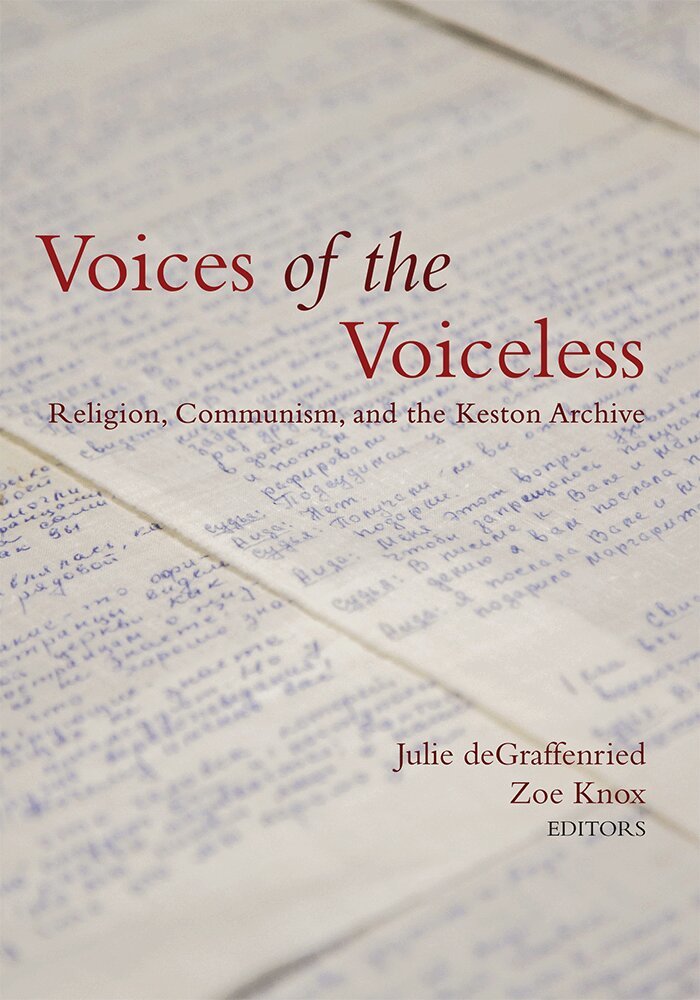
In 1969, at the height of the Cold War, a group of British Christian researchers and activists, moved by the persecution of believers in the Soviet Union, established an organization dedicated to the study of religion under communism. They had two major goals: to educate the public about religious persecution and to promote academic analysis of religion in communist societies. The organization they founded, eventually named Keston College, amassed an extraordinary collection of primary source and research materials, used by its personnel to document the experiences of persecuted believers in the Soviet bloc and beyond and to publicize human rights violations against believers of all faiths. This formed the basis of a unique collection, called the Keston Archive, now at Baylor University. Voices of the Voiceless, edited by Julie deGraffenried and Zoe Knox, presents readers with twenty-five essays on a curated selection of images and artifacts from the Keston Archive. Some of the world's leading authorities on religion and communism as well as experts personally involved with the operation of Keston College carefully selected and provided commentary for these images. The archival material presented in the book offers vivid testimony of this critically important era in the history of religion and of the Cold War. A guided look into the past, Voices of the Voiceless reveals the power of what atheist and antireligious regimes sought to silence. This collection documents how believers fought for religious freedom, coped with oppression, and practiced their faith, individually and collectively, in states hostile to religion. It also presents atheist propaganda produced by communist regimes that aimed to marginalize and ultimately eradicate religion. This book offers insights into how faith survived - and even flourished - during one of the most intense antireligious campaigns of the modern era.
Inbunden, Engelska, 2025
1 606 kr
Skickas inom 10-15 vardagar
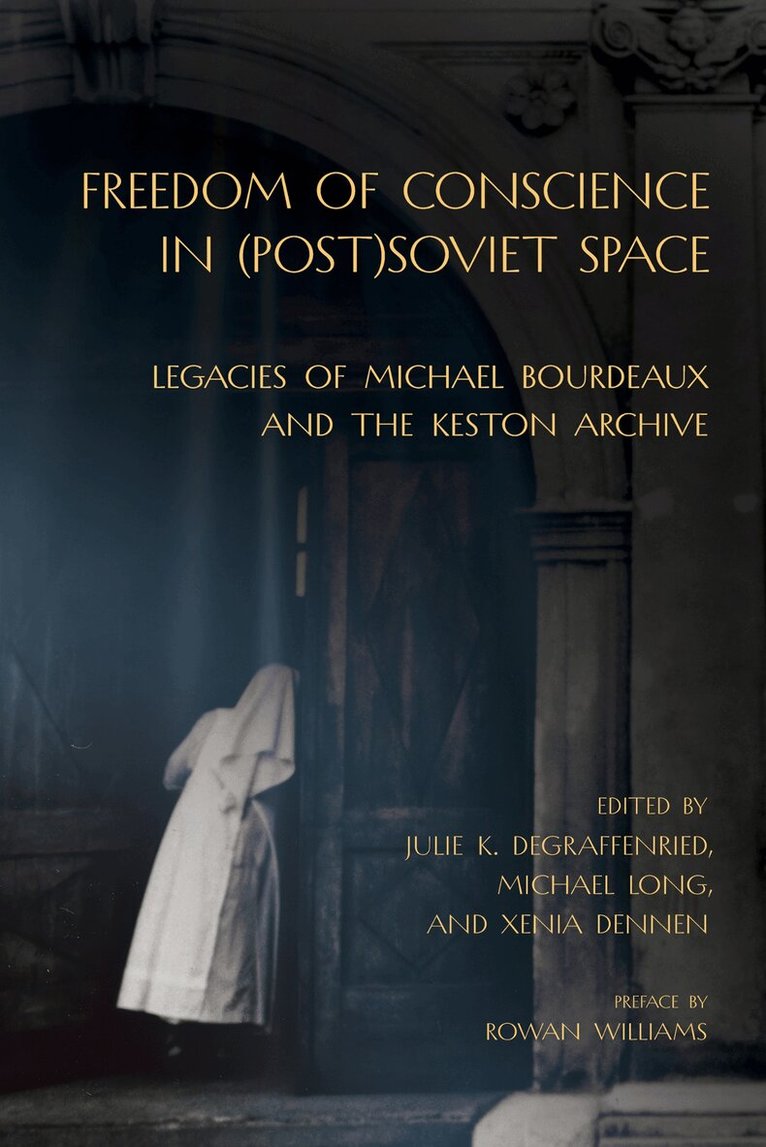
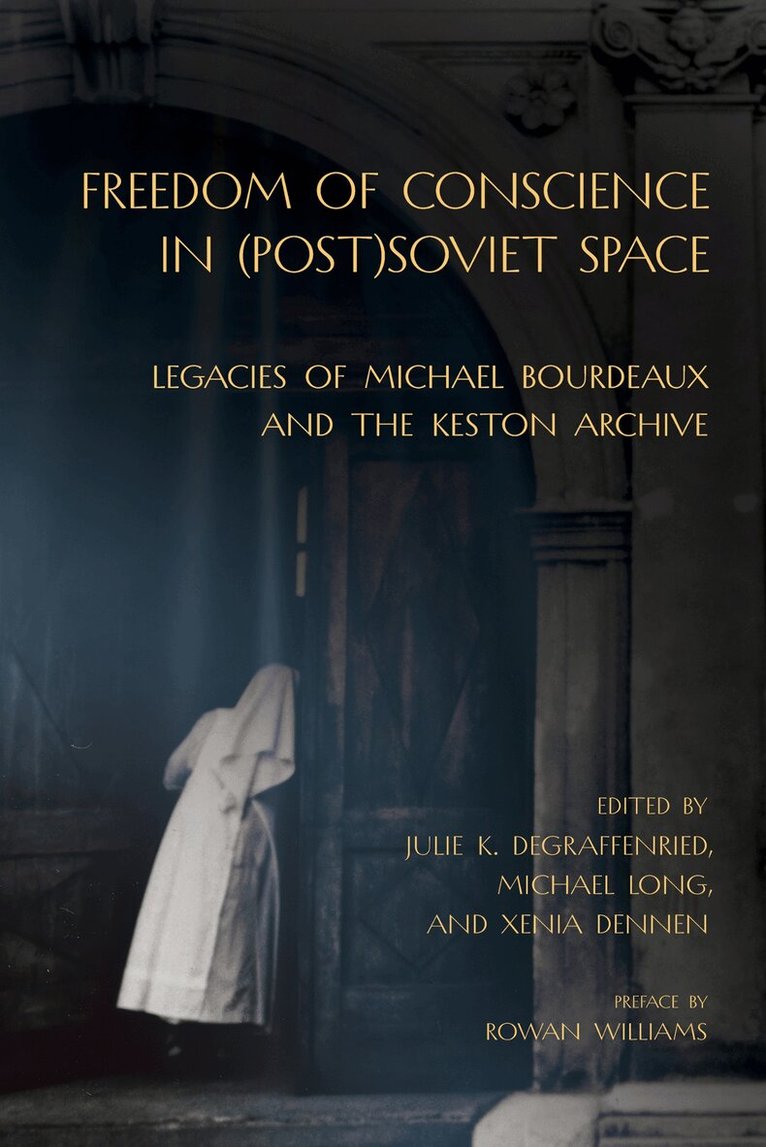
Freedom of Conscience in (Post)Soviet Space, a collection of original essays edited by Julie K. deGraffenried, Michael Long, and Xenia Dennen, is inspired by the work of Michael Bourdeaux, the holdings of the Keston Archive, and continuing questions of freedom of conscience. Ranging from England to Siberia and moving chronologically from 1917 to the twenty-first century, this book reveals the unique organization and methodology behind the Keston's collection of materials and the ways those in the West thought about religion and communism during the Cold War, including the connection between religious liberty and human rights.The essays demonstrate the depth and breadth of current research on religion in communist and postcommunist contexts, a much-needed corrective to contemporary political uses of religious freedom. Bourdeaux's activism and preservation of materials influenced many fields of study, as reflected by contributing authors' varied disciplines—history, theology, sociology, languages, and literature. A preface by the theologian and former Archbishop of Canterbury Rowan Williams comments on Michael Bourdeaux's life and significance.
Häftad, Engelska, 2025
288 kr
Skickas
Freedom of Conscience in (Post)Soviet Space, a collection of original essays edited by Julie K. deGraffenried, Michael Long, and Xenia Dennen, is inspired by the work of Michael Bourdeaux, the holdings of the Keston Archive, and continuing questions of freedom of conscience. Ranging from England to Siberia and moving chronologically from 1917 to the twenty-first century, this book reveals the unique organization and methodology behind the Keston's collection of materials and the ways those in the West thought about religion and communism during the Cold War, including the connection between religious liberty and human rights.The essays demonstrate the depth and breadth of current research on religion in communist and postcommunist contexts, a much-needed corrective to contemporary political uses of religious freedom. Bourdeaux's activism and preservation of materials influenced many fields of study, as reflected by contributing authors' varied disciplines—history, theology, sociology, languages, and literature. A preface by the theologian and former Archbishop of Canterbury Rowan Williams comments on Michael Bourdeaux's life and significance.