Julie K. Johnson – författare
Visar alla böcker från författaren Julie K. Johnson. Handla med fri frakt och snabb leverans.
7 produkter
7 produkter
1 099 kr
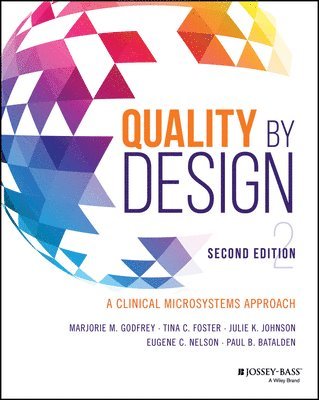
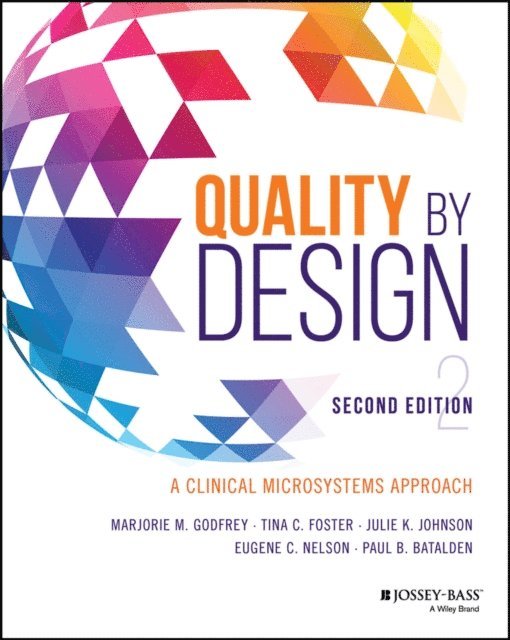
The latest edition of the bestselling text on quality improvement in health care, providing powerful theoretical frameworks and principles, valuable tools and techniques, and a proven action-learning programNow in its second edition, Quality By Design contains an evidence and practice based strategy for teaching and practicing the clinical microsystem approach across all levels of health care organizations. Overall, the microsystem approach continues to evolve and adapt to meet the changing needs of healthcare organizations. Ongoing research, the development of updated models, and innovative applications across diverse settings demonstrate the approach’s potential to transform healthcare delivery and improve outcomes for patients and staff alike.This innovative volume provides research and practical results based on the original high-performing clinical microsystems research conducted at The Dartmouth Institute for Health Policy and Clinical Practice. Quality By Design, Second Edition, advances clinical microsystem theory and practice with new material and updates:New in the Second Edition: Global Impact: The microsystem approach has gained traction internationally, with healthcare organizations and universities in various countries successfully adapting and implementing the approach in specific healthcare cultural and contextual nuances. Real-world case studies showcase the microsystem approach’s success across diverse healthcare settings.Patient-Centered Care: Emphasis on coproduction of care, where patients and families are active partners in improvementMeeting Standards: Guidance on using the microsystem framework including effective meeting skills to ensure productivity and value of meetings.Team Coaching: Team Coaching case studies demonstrate its effectiveness in empowering frontline teams and improving their capabilities. Simultaneously, insights into multi-level leadership guide horizontal and vertical integration efforts for organizational success.Workforce Development and Well-being: Updated strategies for interprofessional education and development early in a career and throughout a career to learn to provide care and improve care is includedSystem-Wide Improvement: New models and insights underscores the importance of integrating micro, meso, and macro systems to create a cohesive and efficient healthcare system. This involves aligning goals, processes, and communication across different levels of the organization.Data-Driven Decision Making: Strategies for building information-rich environments and leveraging data at all levels including key measurement and change management techniques.Patient Safety and Reliability: A personal case study offers a fresh perspective on error prevention and improving reliabilityAction Guide: An updated guide to accelerating improvement in clinical mesosystems.Remember: Successful implementation of the microsystem approach requires a long-term commitment to continuous learning, collaboration, and adaptation. By fostering a culture of improvement and empowering staff at all levels, organizations can harness the power of microsystems to achieve their quality and safety goals.This expanded edition solidifies Quality by Design as an indispensable resource for anyone committed to transforming healthcare through the power of microsystems.
2 031 kr
Skickas inom 10-15 vardagar
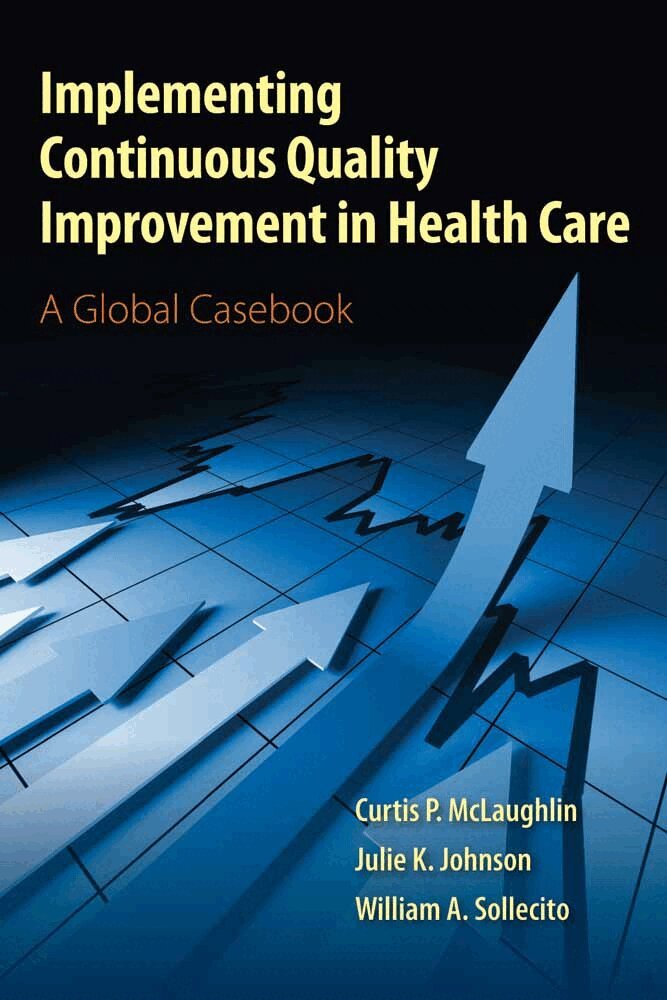
This collection of 8 case studies covers a broad range of subjects related to health care quality improvement efforts. Ideal as complement to the new Fourth Edition of Continuous Quality Improvement in Health Care, these case studies explore themes such as CQI in Ghana Malaria Control, CQI to reduce central line infections in pediatric hospital, a mother's advocacy group against medical errors, WHO Safe Surgery Saves Lives Campaign, The Malcolm Baldrige Award Process in Health Care, Comparison of NICE and similar agencies for comparative effectiveness research, and much more.
1 039 kr
Skickas inom 7-10 vardagar
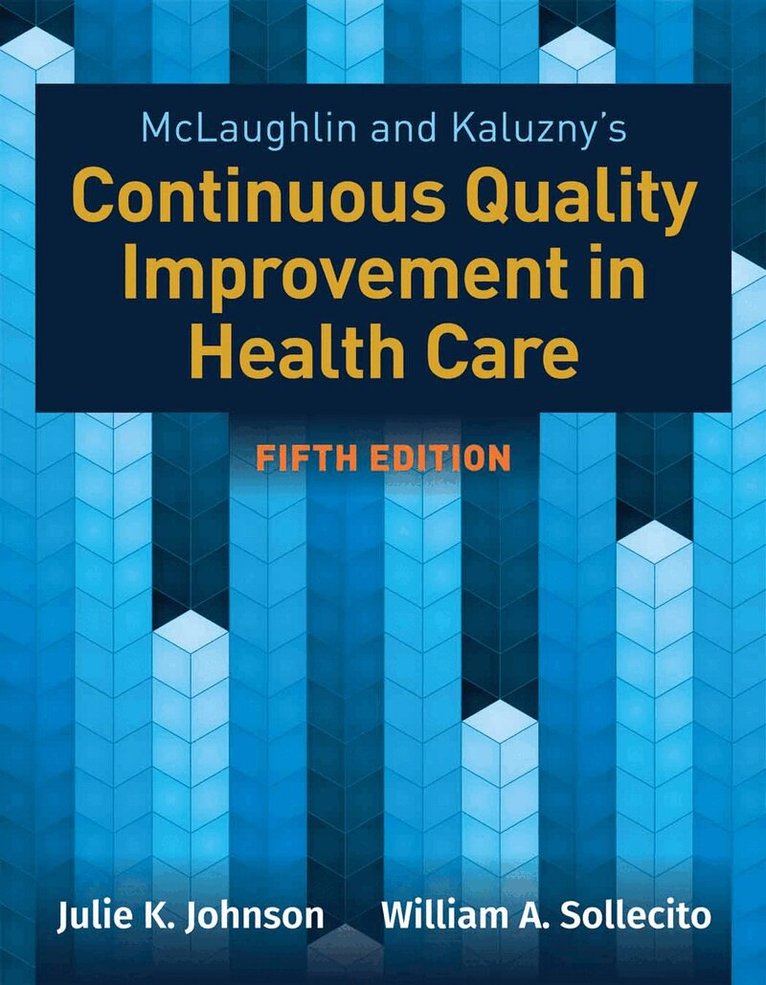
Through a unique interdisciplinary perspective on health care quality and safety, McLaughlin amp Kaluzny's Continuous Quality Improvement in Health Care, Fifth Edition covers the subjects of operations management, organizational behavior, and healthcare service delivery. With a broad focus on both the philosophy and processes of Continuous Quality Improvement (CQI), the challenges of implementation and institutionalization are addressed using examples from a variety of health care organizations, including primary care clinics, public health departments, and academic health centers.Significantly revised and updated throughout, the Fifth Edition offers a greater focus on practical application and incorporates contributions from leading health care quality. Additionally, the text has been reorganized and streamlined into 4 chapters, in lieu of the prior edition's 2 chapters, to make it an even more effective teaching and learning tool. While being more applied and practical, it does so without sacrificing depth. Extensive citations and detailed examples help students to understand the rationale and the most recent research and practice evidence that underpins the new techniques described. The 5th Edition features:- Streamlined coverage for enhanced teachability.- New chapters on Implementation Science, Lean Six Sigma, and Understanding Variation, Tools and Data Sources for CQI in Health Care- Greater focus on application. For example, the new implementation science chapter includes an appendix describing how to apply implementation science.- Discussion of the Quadruple Aim of health care and impact on CQI how Public Health has institutionalized CQI to ensure community health quality how CQI has been more broadly adopted in Low to Middle Income Countries and much more.
1 099 kr
Kommande
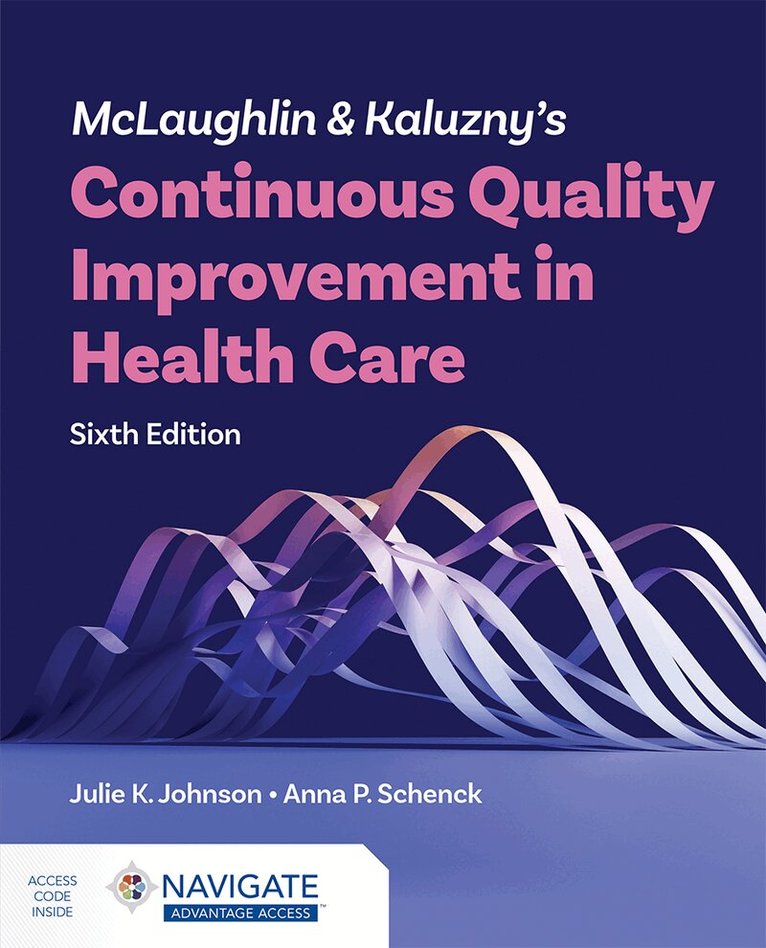
McLaughlin & Kaluzny’s Continuous Quality Improvement in Health Care, Sixth Edition guides readers through the essential techniques of CQI as applied within the health care environment. Offering an interdisciplinary perspective that is relevant to both providers and management, the authors along with leading authorities in health care quality examine the evolution of CQI, foundational CQI methods used in health care settings, and core principles of Lean and Six Sigma. The text also explores the influence of social determinants of health, key issues in patient safety, the role of CQI in national and international public health organizations, accreditation processes, and emerging directions shaping the future of health care quality.
1 164 kr
Skickas inom 10-15 vardagar
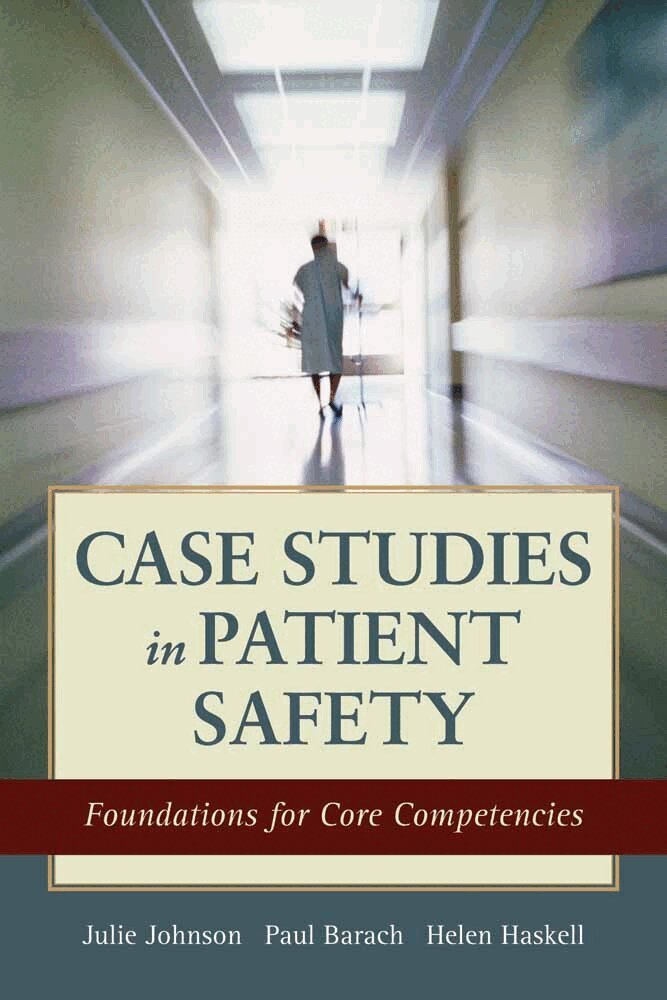
This unique compendium of case studies on patient safety – told from the perspective of the patient and family – illustrates 24 stories of preventable health care errors that led to irreparable patient harm. The reader is guided through a structured analysis of the events, eliciting lessons learned and strategies for preventing similar events in the future. Learning objectives for each case facilitate the reader's development of a set of core competencies related to improving safety and quality of health care.Students of the health professions including medicine, nursing, pharmacy, health administration, public health, as well as practicing professionals such as patient safety officers, chief quality officers, risk managers, and health service researchers will gain valuable insight into the real-world of medical errors and a better understanding of how they can be prevented through practical, actionable methods.
2 506 kr
Skickas inom 10-15 vardagar
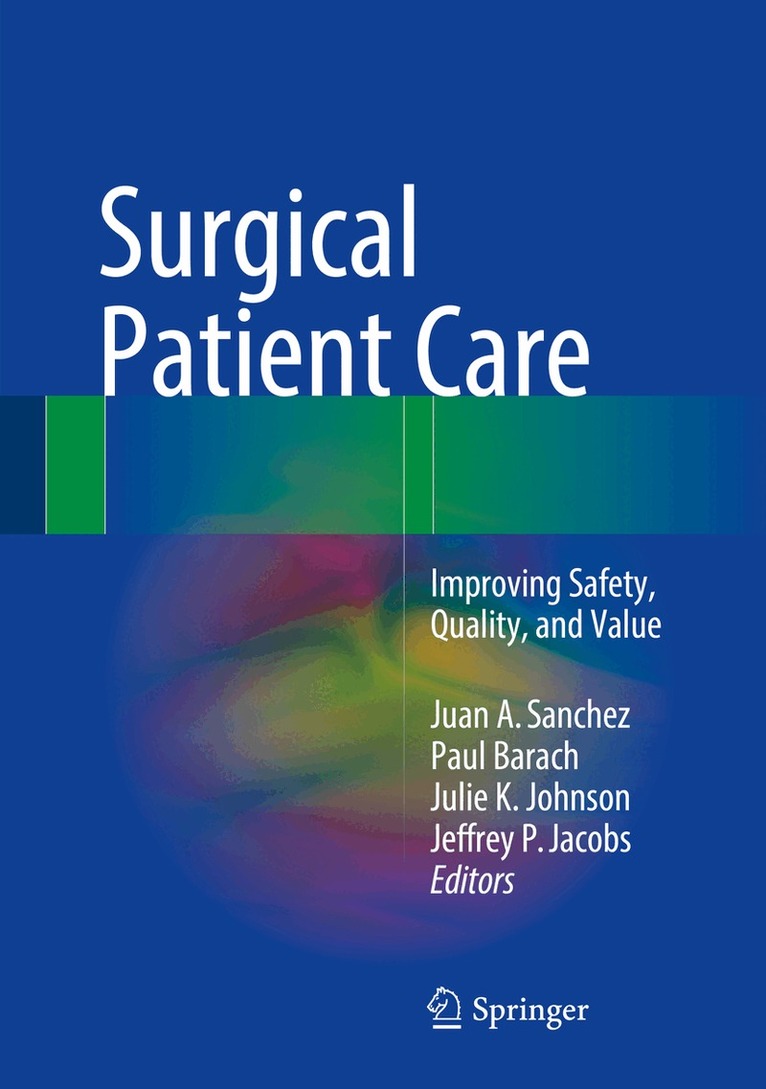
This book focuses exclusively on the surgical patient and on the perioperative environment with its unique socio-technical and cultural issues. It covers preoperative, intraoperative, and postoperative processes and decision making and explores both sharp-end and latent factors contributing to harm and poor quality outcomes. It is intended to be a resource for all healthcare practitioners that interact with the surgical patient. This book provides a framework for understanding and addressing many of the organizational, technical, and cultural aspects of care to one of the most vulnerable patients in the system, the surgical patient. The first section presents foundational principles of safety science and related social science. The second exposes barriers to achieving optimal surgical outcomes and details the various errors and events that occur in the perioperative environment. The third section contains prescriptive and proactive tools and ways to eliminate errors and harm.The final section focuses on developing continuous quality improvement programs with an emphasis on safety and reliability.Surgical Patient Care: Improving Safety, Quality and Value targets an international audience which includes all hospital, ambulatory and clinic-based operating room personnel as well as healthcare administrators and managers, directors of risk management and patient safety, health services researchers, and individuals in higher education in the health professions. It is intended to provide both fundamental knowledge and practical information for those at the front line of patient care. The increasing interest in patient safety worldwide makes this a timely global topic. As such, the content is written for an international audience and contains materials from leading international authors who have implemented many successful programs.
1 854 kr
Skickas inom 10-15 vardagar
This book focuses exclusively on the surgical patient and on the perioperative environment with its unique socio-technical and cultural issues. It covers preoperative, intraoperative, and postoperative processes and decision making and explores both sharp-end and latent factors contributing to harm and poor quality outcomes. It is intended to be a resource for all healthcare practitioners that interact with the surgical patient. This book provides a framework for understanding and addressing many of the organizational, technical, and cultural aspects of care to one of the most vulnerable patients in the system, the surgical patient. The first section presents foundational principles of safety science and related social science. The second exposes barriers to achieving optimal surgical outcomes and details the various errors and events that occur in the perioperative environment. The third section contains prescriptive and proactive tools and ways to eliminate errors and harm.The final section focuses on developing continuous quality improvement programs with an emphasis on safety and reliability.Surgical Patient Care: Improving Safety, Quality and Value targets an international audience which includes all hospital, ambulatory and clinic-based operating room personnel as well as healthcare administrators and managers, directors of risk management and patient safety, health services researchers, and individuals in higher education in the health professions. It is intended to provide both fundamental knowledge and practical information for those at the front line of patient care. The increasing interest in patient safety worldwide makes this a timely global topic. As such, the content is written for an international audience and contains materials from leading international authors who have implemented many successful programs.