Julie Ren – författare
2 259 kr
Skickas inom 10-15 vardagar
695 kr
Skickas inom 10-15 vardagar
849 kr
Läs direkt efter köp
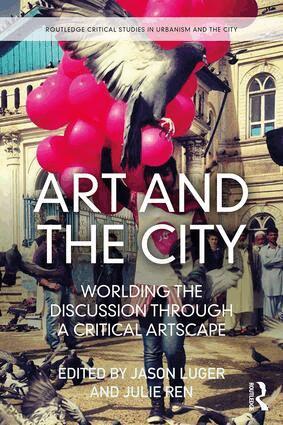
Artistic practices have long been disturbing the relationships between art and space. They have challenged the boundaries of performer/spectator, of public/private, introduced intervention and installation, ephemerality and performance, and constantly sought out new modes of distressing expectations about what is construed as art. But when we expand the world in which we look at art, how does this change our understanding of critical artistic practice?
This book presents a global perspective on the relationship between art and the city. International and leading scholars and artists themselves present critical theory and practice of contemporary art as a politicised force. It extends thinking on contemporary arts practices in the urban and political context of protest and social resilience and offers the prism of a ‘critical artscape’ in which to view the urgent interaction of arts and the urban politic. The global appeal of the book is established through the general topic as well as the specific chapters, which are geographically, socially, politically and professionally varied. Contributing authors come from many different institutional and anti-institutional perspectives from across the world.
This will be valuable reading for those interested in cultural geography, urban geography and urban culture, as well as contemporary art theorists, practitioners and policymakers.
849 kr
Läs direkt efter köp
Artistic practices have long been disturbing the relationships between art and space. They have challenged the boundaries of performer/spectator, of public/private, introduced intervention and installation, ephemerality and performance, and constantly sought out new modes of distressing expectations about what is construed as art. But when we expand the world in which we look at art, how does this change our understanding of critical artistic practice?
This book presents a global perspective on the relationship between art and the city. International and leading scholars and artists themselves present critical theory and practice of contemporary art as a politicised force. It extends thinking on contemporary arts practices in the urban and political context of protest and social resilience and offers the prism of a ‘critical artscape’ in which to view the urgent interaction of arts and the urban politic. The global appeal of the book is established through the general topic as well as the specific chapters, which are geographically, socially, politically and professionally varied. Contributing authors come from many different institutional and anti-institutional perspectives from across the world.
This will be valuable reading for those interested in cultural geography, urban geography and urban culture, as well as contemporary art theorists, practitioners and policymakers.
1 233 kr
Skickas inom 5-8 vardagar
443 kr
Skickas inom 5-8 vardagar
1 233 kr
Skickas inom 5-8 vardagar
1 527 kr
Läs direkt efter köp
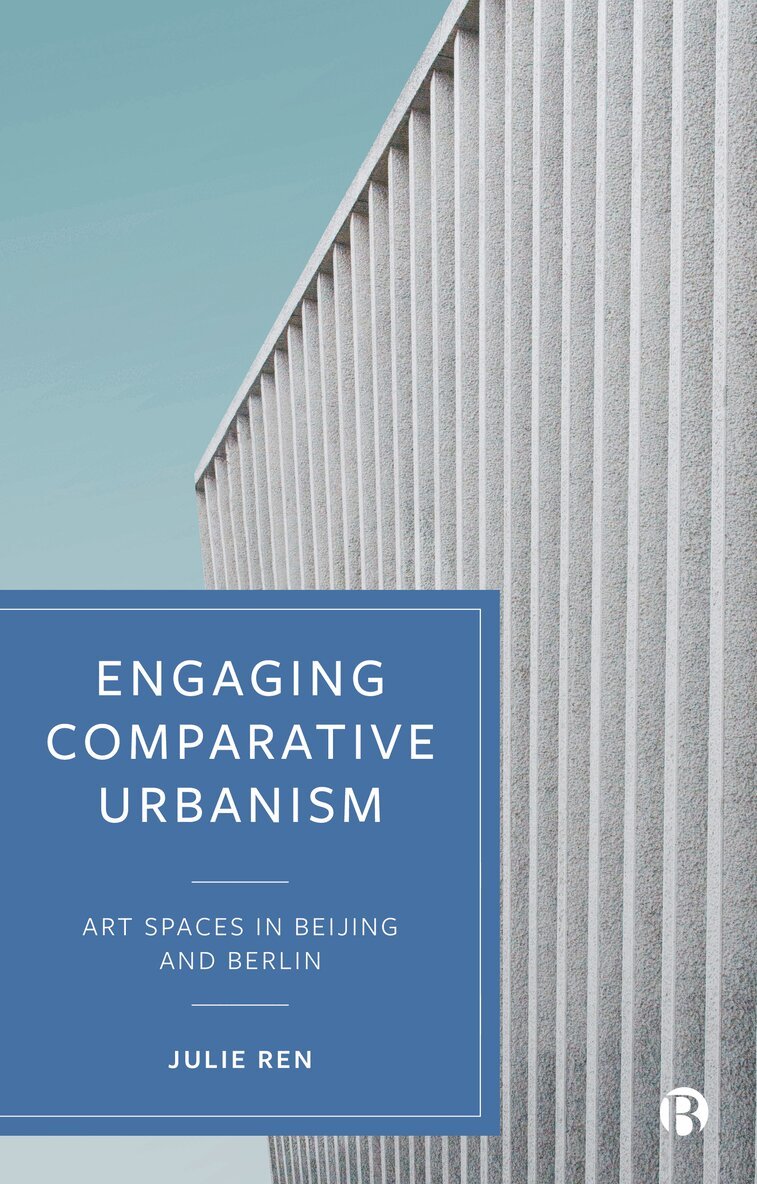
Julie Ren investigates the motivations and practices of making art spaces in Beijing and Berlin to engage with comparative urbanism as a framework for doing research, beyond its significance as a critical intervention.
Across vastly different contexts, where universal theories of modernity or development seem increasingly misplaced, she innovatively explores the ways that art spaces employ creative capital to sustain themselves in a competitive urban landscape.
She shows how these art spaces are embedded within a politics of aspiration and demonstrates that aspiration is an important lens through which to understand the nature of, and possibilities for, urban change.
443 kr
Läs direkt efter köp
Julie Ren investigates the motivations and practices of making art spaces in Beijing and Berlin to engage with comparative urbanism as a framework for doing research, beyond its significance as a critical intervention.
Across vastly different contexts, where universal theories of modernity or development seem increasingly misplaced, she innovatively explores the ways that art spaces employ creative capital to sustain themselves in a competitive urban landscape.
She shows how these art spaces are embedded within a politics of aspiration and demonstrates that aspiration is an important lens through which to understand the nature of, and possibilities for, urban change.