
K. Chandrakandan – författare
Visar alla böcker från författaren K. Chandrakandan. Handla med fri frakt och snabb leverans.
2 produkter
2 produkter
779 kr
Skickas inom 5-8 vardagar
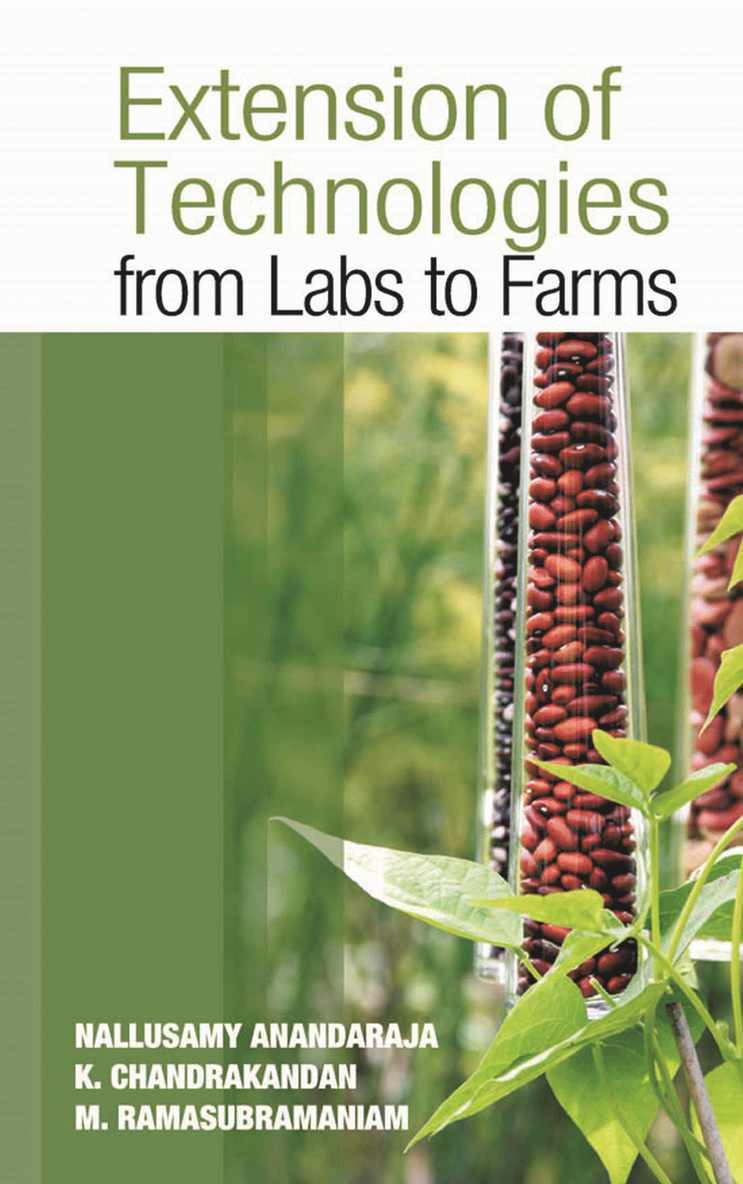
The primary objective of technological advancements in agriculture during the latter half of the 20th century was to optimize the efficiency of agricultural production. To remain competitive in the global market, Indian farmers must be apprised of the latest knowledge and information. This can be facilitated by leveraging the latest information technologies, which have emerged from various non-agricultural fields. In the realm of Information and Communication Technology, Indian farmers have access to a range of IT tools that can facilitate the transfer of agricultural technology, including radio, television, video, telephone, mobile phone, printed media, computer, and the internet.This book is a testament to the extensive research conducted by the editors, who have drawn upon their wealth of experience to create this valuable resource. Information technology has established itself as a key tool for the Transfer of Technology, and is extensively utilized by both the public and private sectors to benefit farmers. The Village Knowledge Centres of MSSRF, E-Choupals of Indian Tobacco Company, Kisan Kendras of Rallies, Kisan Bharath Kendras of United Phosphorus Limited, Cyber Extension services of EID Parrys, Kisan Call Centres (KCC), and AGRISNET AGMARKNET are just a few examples of the successful implementation of IT-based agricultural extension programs. Therefore, this book titled Extension of Technologies: From Labs to Farms aims to highlight the potential of information technology in the field of agricultural extension and the transfer of technology in particular.
1 552 kr
Skickas inom 5-8 vardagar
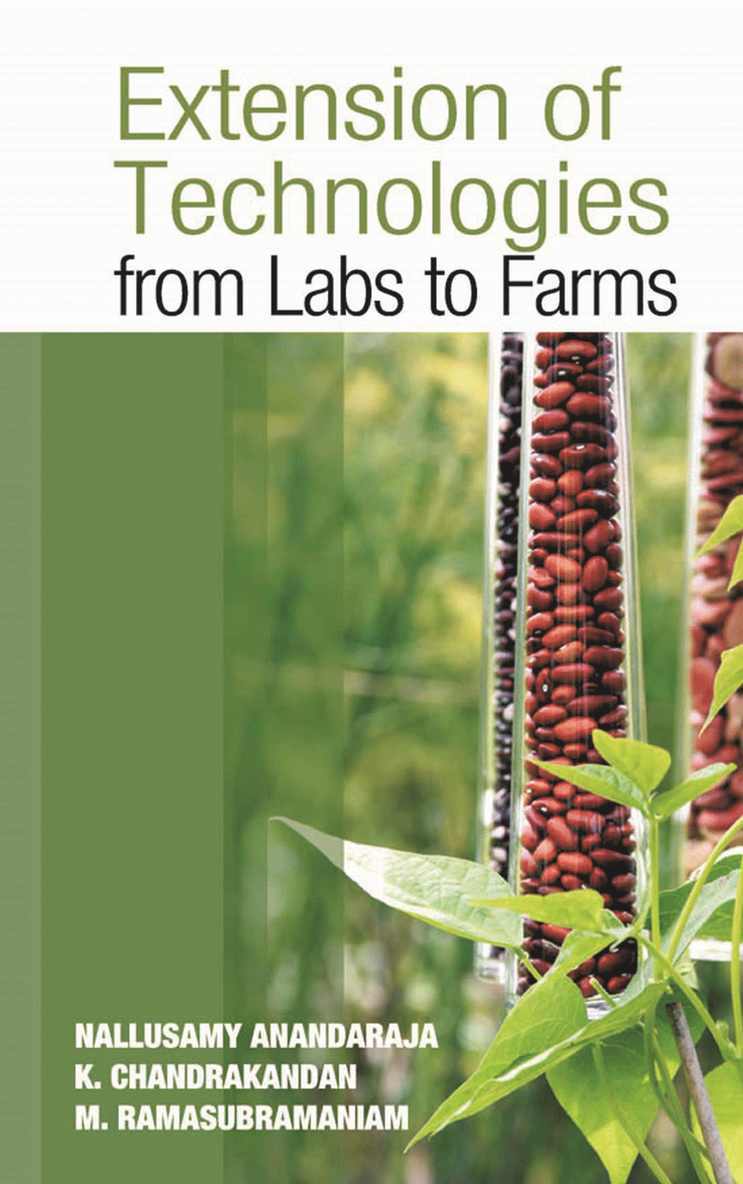
The primary objective of agricultural technology development in the latter half of the 20th century was to enhance the productivity of farms. In order to remain competitive in the global market, Indian farmers require access to the most up-to-date knowledge. This can be achieved by providing them with timely and accurate information, which can be facilitated through the use of new information technologies that have emerged in non-agricultural fields. There are several IT tools available in the Indian context for the transfer of agricultural technology, including radio, television, video, telephone, mobile phone, printed media, computer, and internet.This book is the result of the extensive research work conducted by the editors, who have gained valuable insights into the use of information technology as a tool for transfer of technology. Both the public and private sectors have recognized the potential of this tool and are using it to the benefit of farmers. Several initiatives have been undertaken in this regard, such as the Village Knowledge Centres of MSSRF, E-Choupals of Indian Tobacco Company, Kisan Kendras of Rallies, Kisan Bharath Kendras of United Phosphorus Limited, Cyber Extension services of EID Parry's, Kisan Call Centres (KCC), and AGRISNET AGMARKNET. These initiatives serve as examples of the potential of information technology in the field of agricultural extension and the transfer of technology. This book, titled Extension of Technologies: From Labs to Farms, aims to highlight the importance of this tool in enhancing the productivity of farms and improving the lives of farmers. It is an effort to showcase the potential of information technology in the field of agricultural extension and transfer of technology.