

E-bok
PDF, Engelska, 2023763 kr
Läs direkt efter köp
763 kr
Läs direkt efter köp

869 kr
Skickas inom 5-8 vardagar

356 kr
Skickas inom 5-8 vardagar

216 kr
Skickas inom 5-8 vardagar

123 kr
Läs direkt efter köp
1 430 kr
Skickas inom 10-15 vardagar
1 728 kr
Läs direkt efter köp
554 kr
Skickas inom 10-15 vardagar
718 kr
Läs direkt efter köp
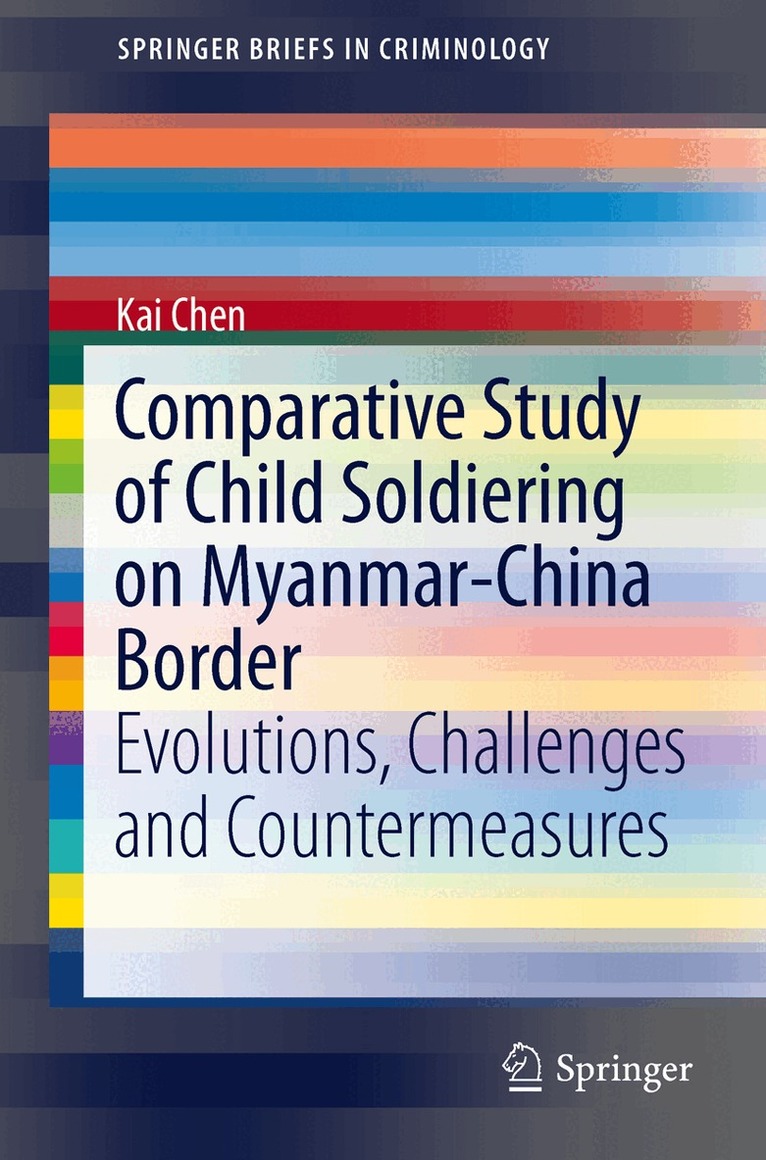
From comparative perspective, this book explores the dynamics of child soldiering on the Myanmar-China border (i.e., Kachin and Shan States of Myanmar). At the same time, this book examines the structural factors and specific relationships between child soldiers, which have impacts on child soldiering. This book reveals that Myanmar has limited power to reduce child soldiering on the Myanmar-China border, and there is no optimal solution for reducing child soldiering in the near future. Instead, the book introduces the “transnational public-private partnership” approach as a “second best” solution and proposes suitable countermeasures for all the stakeholders.
992 kr
Skickas inom 10-15 vardagar
1 276 kr
Läs direkt efter köp
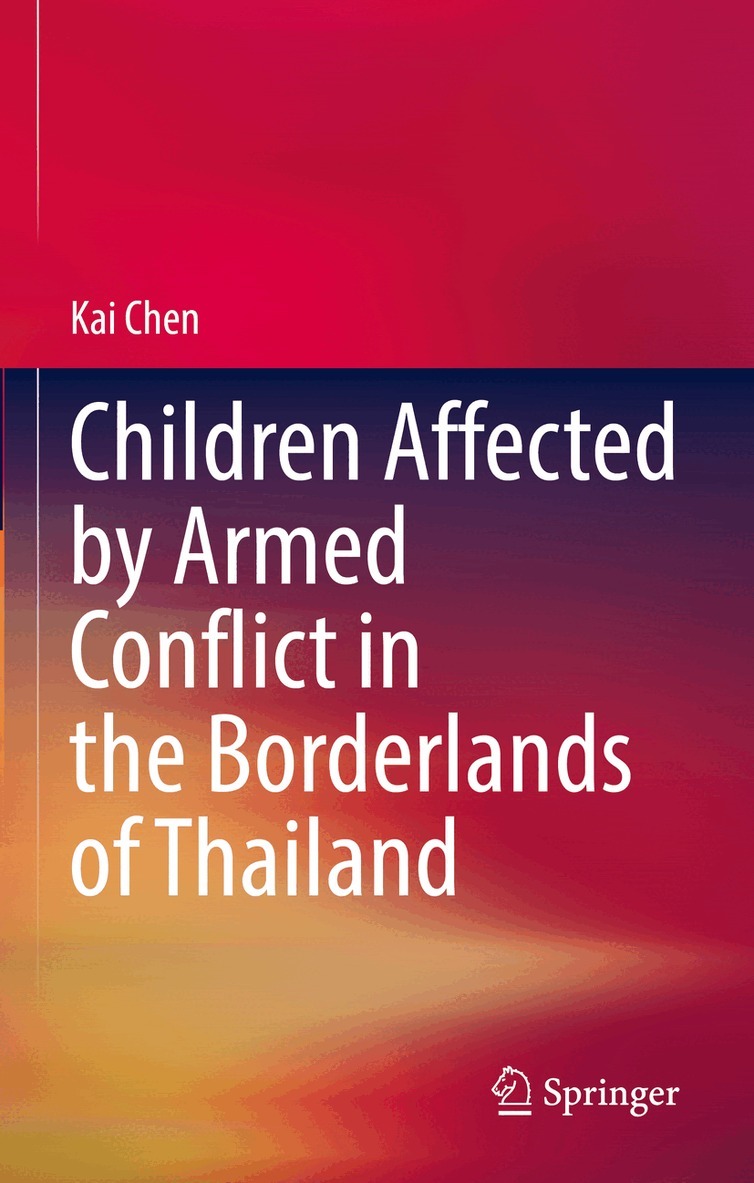
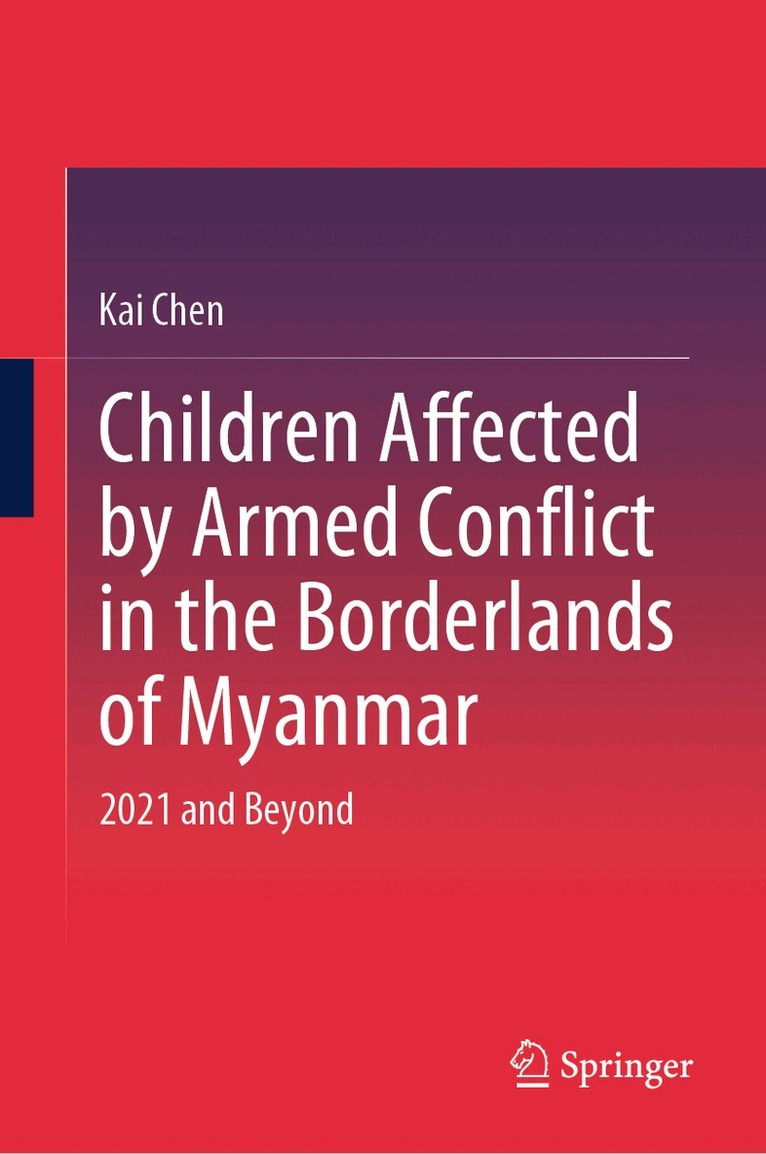
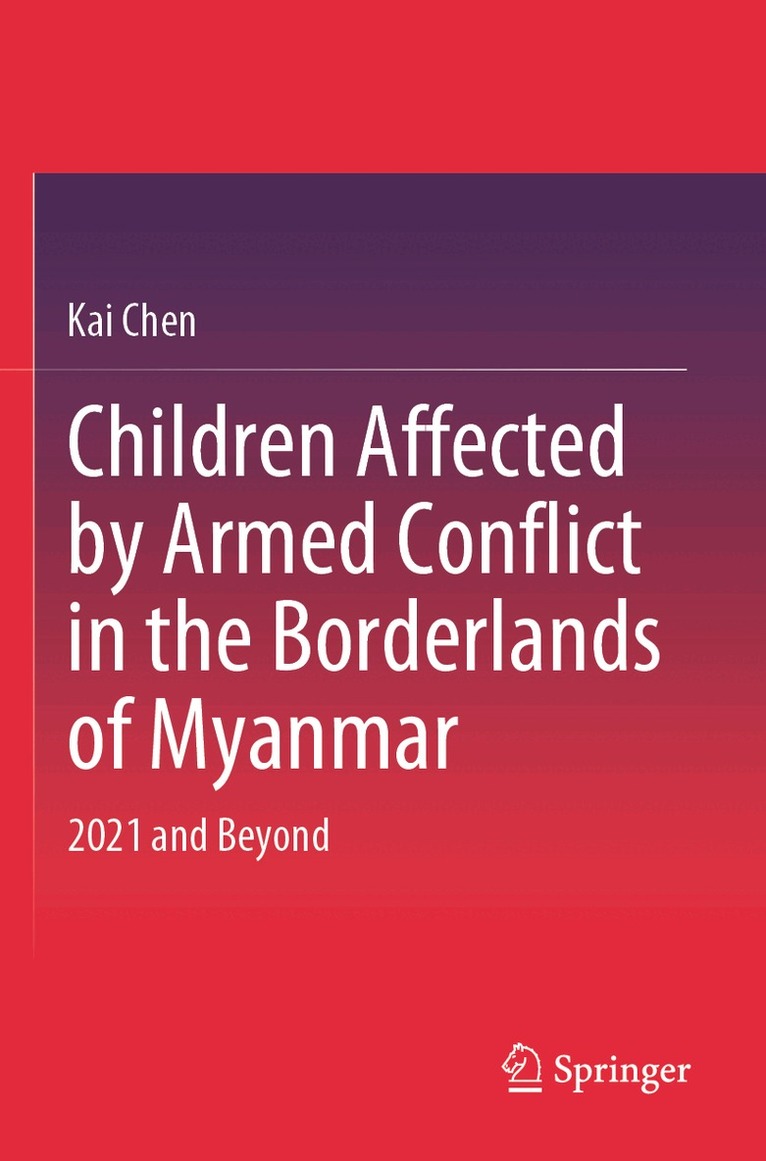
This book focuses on children affected by armed conflict in the borderlands of Myanmar since the regime-change event in 2021. In the borderlands of this country, uncountable children have been killed or maimed by indiscriminate weapons, raids, artillery bombardments and air strikes. Concerning the Burmese children living in the rest of Myanmar, they have been exposed to feelings of insecurity and growing anxieties caused by deadly bombings and assassinations. No place in Myanmar is immune from armed conflict. Many displaced Burmese children fled into the neighboring countries, which did not ratify the 1951 Refugee Convention. With no refugee status, some displaced children faced the risk of being arrested and deported. Some displaced children became victims of human trafficking, or led a life of vagrancy. The stakeholders responsible for protecting children from armed conflict, have been promoting Myanmar towards reconciliation in their own ways. However, the stakeholders had to deal with three obstacles, that is, lack of consensus, insufficient cohesion and funding gap. When a national ceasefire is unavailable in Myanmar, the conflicting parties would probably welcome a humanitarian ceasefire in the borderlands of this country, rather than wearing each other out. In the case of Myanmar, a humanitarian ceasefire should be composed of three parts: immediate access to victims of armed conflict, safe passage of civilians, and release of detainees in batches. If everything goes well, an agreement for a humanitarian ceasefire in the borderlands of Myanmar, would be followed with peace talks in the foreseeable future.
992 kr
Skickas inom 10-15 vardagar
763 kr
Läs direkt efter köp
869 kr
Skickas inom 5-8 vardagar
356 kr
Skickas inom 5-8 vardagar
216 kr
Skickas inom 5-8 vardagar
123 kr
Läs direkt efter köp
1 430 kr
Skickas inom 10-15 vardagar
1 728 kr
Läs direkt efter köp
554 kr
Skickas inom 10-15 vardagar
718 kr
Läs direkt efter köp
From comparative perspective, this book explores the dynamics of child soldiering on the Myanmar-China border (i.e., Kachin and Shan States of Myanmar). At the same time, this book examines the structural factors and specific relationships between child soldiers, which have impacts on child soldiering. This book reveals that Myanmar has limited power to reduce child soldiering on the Myanmar-China border, and there is no optimal solution for reducing child soldiering in the near future. Instead, the book introduces the “transnational public-private partnership” approach as a “second best” solution and proposes suitable countermeasures for all the stakeholders.
992 kr
Skickas inom 10-15 vardagar
1 276 kr
Läs direkt efter köp
This book focuses on children affected by armed conflict in the borderlands of Myanmar since the regime-change event in 2021. In the borderlands of this country, uncountable children have been killed or maimed by indiscriminate weapons, raids, artillery bombardments and air strikes. Concerning the Burmese children living in the rest of Myanmar, they have been exposed to feelings of insecurity and growing anxieties caused by deadly bombings and assassinations. No place in Myanmar is immune from armed conflict. Many displaced Burmese children fled into the neighboring countries, which did not ratify the 1951 Refugee Convention. With no refugee status, some displaced children faced the risk of being arrested and deported. Some displaced children became victims of human trafficking, or led a life of vagrancy. The stakeholders responsible for protecting children from armed conflict, have been promoting Myanmar towards reconciliation in their own ways. However, the stakeholders had to deal with three obstacles, that is, lack of consensus, insufficient cohesion and funding gap. When a national ceasefire is unavailable in Myanmar, the conflicting parties would probably welcome a humanitarian ceasefire in the borderlands of this country, rather than wearing each other out. In the case of Myanmar, a humanitarian ceasefire should be composed of three parts: immediate access to victims of armed conflict, safe passage of civilians, and release of detainees in batches. If everything goes well, an agreement for a humanitarian ceasefire in the borderlands of Myanmar, would be followed with peace talks in the foreseeable future.
992 kr
Skickas inom 10-15 vardagar