Kai Heidemann - Böcker
Visar alla böcker från författaren Kai Heidemann. Handla med fri frakt och snabb leverans.
2 produkter
2 produkter
Del 6 - Pittsburgh Studies in Comparative and International Education
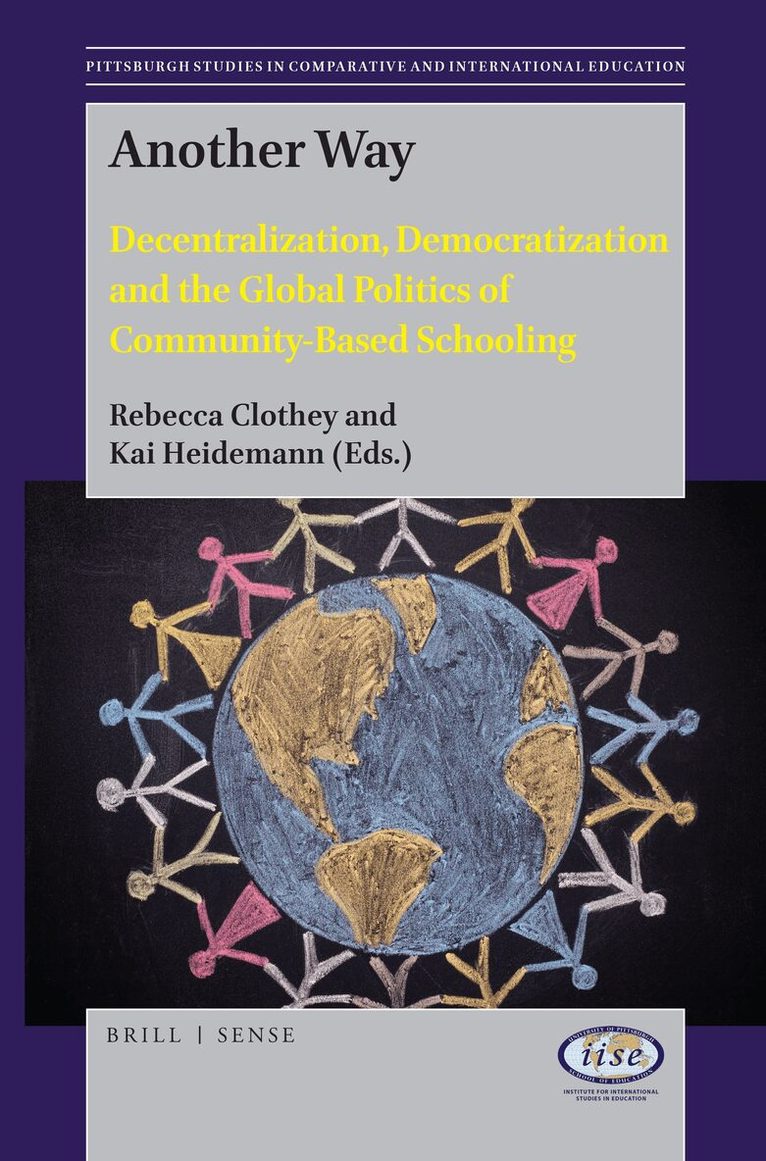
Another Way
Decentralization, Democratization and the Global Politics of Community-Based Schooling
Häftad, Engelska, 2018
782 kr
Skickas inom 5-8 vardagar
Drawing on a variety of methodological and theoretical perspectives, the case studies compiled in Another Way: Decentralization, Democratization and the Global Politics of Community-Based Schooling offer a comparative look at how global processes of educational decentralization have both helped and hindered the development of community-based schools in local-level settings across Europe, Africa, Asia and the Americas. On the one hand, the book shows how increased decentralization is often perceived as essential to assuring robust levels of democratization, community participation and social justice in education. On the other hand, it is also shown how processes of educational decentralization are often experienced in local communities as a mechanism of increased austerity, privatization and segregation.
Del 6 - Pittsburgh Studies in Comparative and International Education
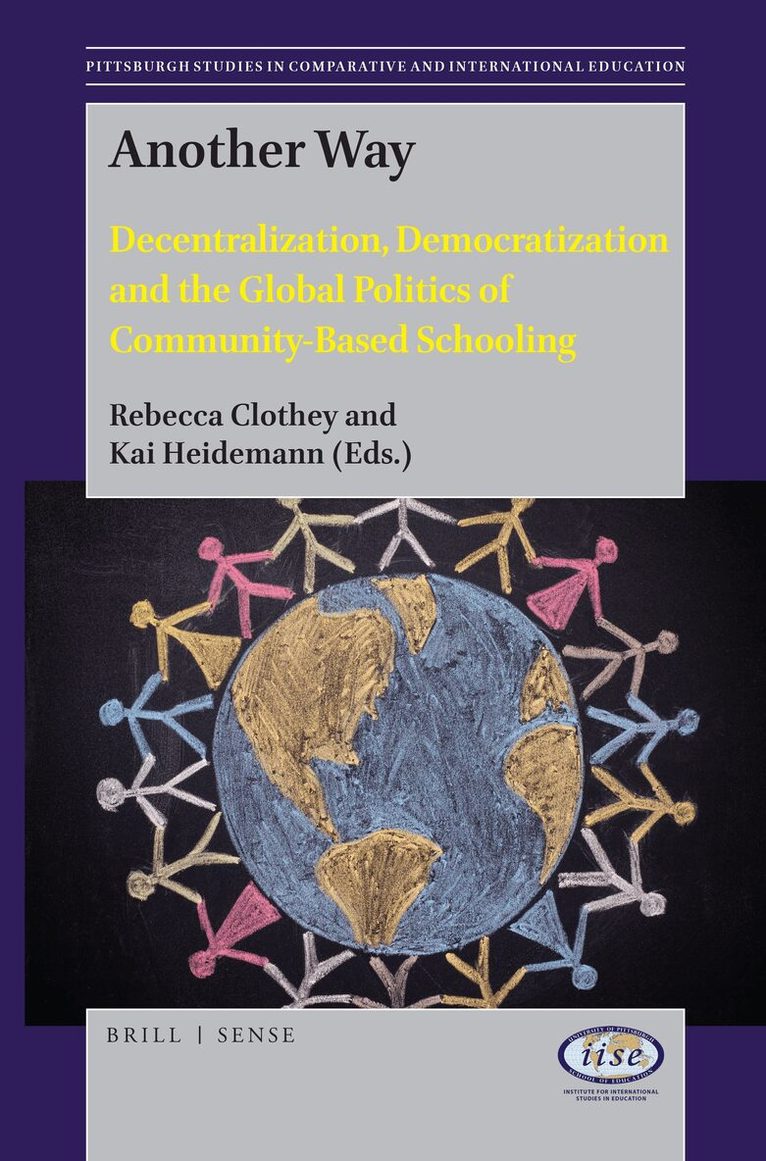
Another Way
Decentralization, Democratization and the Global Politics of Community-Based Schooling
Inbunden, Engelska, 2018
1 748 kr
Skickas inom 5-8 vardagar
Drawing on a variety of methodological and theoretical perspectives, the case studies compiled in Another Way: Decentralization, Democratization and the Global Politics of Community-Based Schooling offer a comparative look at how global processes of educational decentralization have both helped and hindered the development of community-based schools in local-level settings across Europe, Africa, Asia and the Americas. On the one hand, the book shows how increased decentralization is often perceived as essential to assuring robust levels of democratization, community participation and social justice in education. On the other hand, it is also shown how processes of educational decentralization are often experienced in local communities as a mechanism of increased austerity, privatization and segregation.