Kai Jin – författare
Visar alla böcker från författaren . Handla med fri frakt och snabb leverans.
2 produkter
2 produkter
Häftad, Engelska, 2026
1 778 kr
Kommande
Optical Coherence Tomography-based Artificial Intelligence in Ophthalmology offers a comprehensive, practical, and up-to-date resource, equipping readers with the knowledge and tools necessary to excel in the emerging field of OCT-based AI in ophthalmology. The book, comprised of four sections, covers the fundamentals of Optical Coherence Tomography and Artificial Intelligence, presents techniques and methods for OCT-based AI, reviews applications and case studies, and provides expert perspectives and collaborations. From enhancing ophthalmology patient outcomes to collaborating effectively with the research community, this book empowers users to revolutionize patient care.Researchers will find tactics that help them make impactful contributions, collaborate effectively, and navigate the complexities of this interdisciplinary domain. In addition, the book provides practical insights, real-world applications, and evidence-based information that enables clinicians to leverage OCT-based AI for improved patient care, diagnostic accuracy, and operational efficiency.Explains how Optical Coherence Tomography and Artificial Intelligence synergize in ophthalmology to transform ophthalmic practiceProvides practical insights, case studies, and implementation strategies to harness the combined potential of OCT and AI for accurate diagnostics and enhanced patient careExamines how OCT-based AI improves diagnostic accuracy, streamlines workflows, and guides treatment decisions
Inbunden, Engelska, 2026
2 306 kr
Kommande
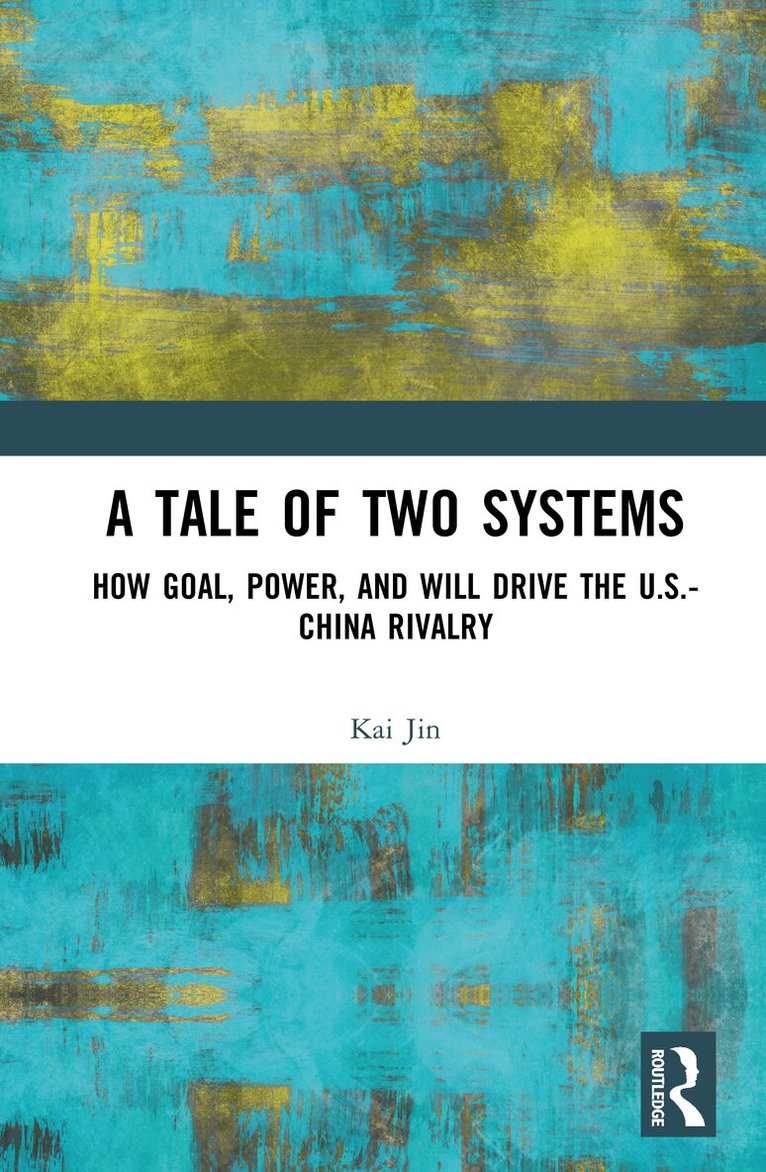
Combining neoclassical realism and political psychology, this book conducts a Cost Dynamics analysis of the goal, power, and will of the U.S. and China. It argues that while the strategic competition between the two countries is intense, it sustains a fragile balance of competition without outright conflict.Addressing both opportunity and audience costs, the book explores how domestic variables such as strategic culture and leadership cognition influence the formulation and implementation of foreign policy. Case studies demonstrate that the complex differences in goal, power, and will result in persistent strategic and policy misalignments, while simultaneously creating mutual constraints that prevent escalation to full-scale conflict. In the field of artificial intelligence, the book introduces “technological power” as a “fluid” variable to analyze the flow of technology and structural complementarity. It concludes that building a “resilient” U.S.–China relationship does not require eliminating competition or concealing differences, but rather managing risks by recognizing each other’s strategic bottom lines and political constraints.This book will appeal to scholars and students of political science, international relations, and U.S.–China relations.