Kaiser Iqbal Wani – författare
Visar alla böcker från författaren Kaiser Iqbal Wani. Handla med fri frakt och snabb leverans.
3 produkter
3 produkter
2 014 kr
Skickas inom 5-8 vardagar
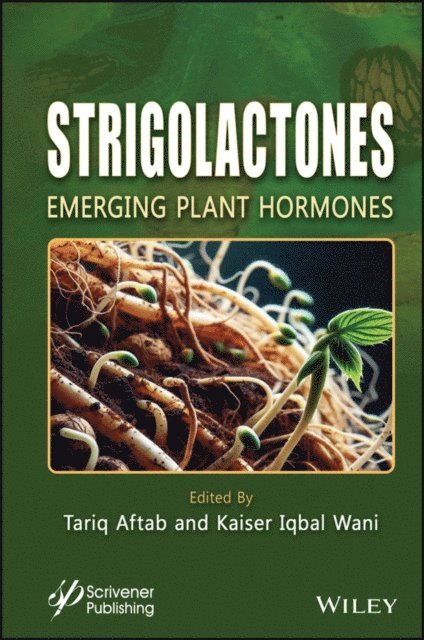
This book is a comprehensive guide to strigolactones’ role in plant biology, growth, and sustainable agriculture. Strigolactones, a fascinating and rapidly evolving class of plant hormones, have garnered significant attention in plant biology over the past decade. Initially discovered for stimulating the germination of parasitic plants, strigolactones are now recognized as key regulators of numerous plant processes, including growth, development, and response to environmental stresses. Their multifaceted nature and wide-ranging impact on plant physiology make strigolactones a critical study area for researchers aiming to enhance crop yield, resilience, and overall agricultural productivity. This edited volume provides a comprehensive overview of the current state of knowledge on strigolactones, exploring their biosynthesis, signaling mechanisms, and practical applications in agriculture. The book collects contributions from leading experts in the field, offering a diverse and in-depth perspective on the various roles that strigolactones play in plant biology. The chapters in this volume cover a broad spectrum of topics, from the molecular and genetic basis of strigolactone biosynthesis to their interactions with other phytohormones and environmental factors. The book examines the regulatory functions of strigolactones in plant architecture, including shoot branching, root development, and leaf senescence, as well as their involvement in stress responses such as drought, salinity, and pathogen attack. Also highlighted are recent advancements in understanding strigolactone signaling pathways and the potential for genetic engineering to manipulate these hormones for crop improvement. AudiencePlant biologists, agronomists, horticulturists, and agriculture industry professionals studying plant development to address agricultural challenges.
2 053 kr
Skickas inom 5-8 vardagar
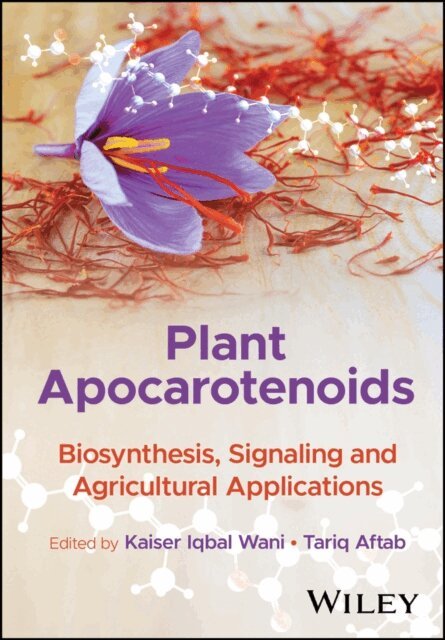
Apocarotenoids are emerging as central players in plant biology, offering profound insights into growth regulation, stress responses, and developmental processes. Derived from carotenoids through oxidative cleavage, these compounds serve as key signaling molecules with far-reaching implications for plant physiology and crop improvement. Recent advancements in molecular biology, genetic engineering, and synthetic biology have accelerated research in this domain, making apocarotenoids a critical area of study for plant scientists, agricultural biotechnologists, and crop physiologists. Yet, despite their importance, comprehensive resources that integrate biosynthesis, signaling, and applied agricultural aspects have remained limited. Plant Apocarotenoids: Biosynthesis, Signaling and Agricultural Applications provides an in-depth exploration of both fundamental and translational aspects of these bioactive molecules. Organized into five sections, the volume begins with the fundamentals of apocarotenoid biosynthesis and signaling mechanisms before delving into specific compounds such as strigolactones, zaxinone, β-cyclocitral, and β-ionone. Special emphasis is placed on saffron apocarotenoids, reflecting their unique biochemical pathways and relevance to biotechnology. Later sections examine apocarotenoids in plant defense, symbiotic interactions, and stress adaptation, while concluding chapters address their engineering for agricultural applications such as crop resilience, biofortification, and global food security. An authoritative resource that bridges basic science and applied outcomes, Plant Apocarotenoids: Biosynthesis, Signaling and Agricultural Applications: Features contributions from an interdisciplinary team of experts, integrating fundamental and applied research perspectivesProvides a complete overview of apocarotenoid structural diversity, biosynthesis, and regulationHighlights the role of apocarotenoids in plant signaling, growth, and developmentIncludes a dedicated section on saffron apocarotenoids and their biotechnological potentialDetails metabolic engineering strategies to enhance apocarotenoid pathways in cropsEquipping readers with the knowledge necessary to drive future innovations in sustainable agriculture. Plant Apocarotenoids: Biosynthesis, Signaling and Agricultural Applications is an essential reference for graduate students, researchers, and professionals in plant science, biochemistry, crop physiology, genetics, and agricultural biotechnology. It is particularly suited for advanced courses in Plant Biochemistry, Plant Biotechnology, and Crop Improvement within MSc and PhD programs in agricultural and biological sciences.
554 kr
Skickas inom 10-15 vardagar
Plant molecular farming is considered as a cost-effective technology that has grown and advanced tremendously over the past two decades.This book summarizes the advances and challenges of plant molecular farming for all those who are working on or have an interest in this rapidly emerging area of research.