Kalinga Tudor Silva – författare
Visar alla böcker från författaren Kalinga Tudor Silva. Handla med fri frakt och snabb leverans.
4 produkter
4 produkter
Häftad, Engelska, 2014
473 kr
Skickas inom 5-8 vardagar
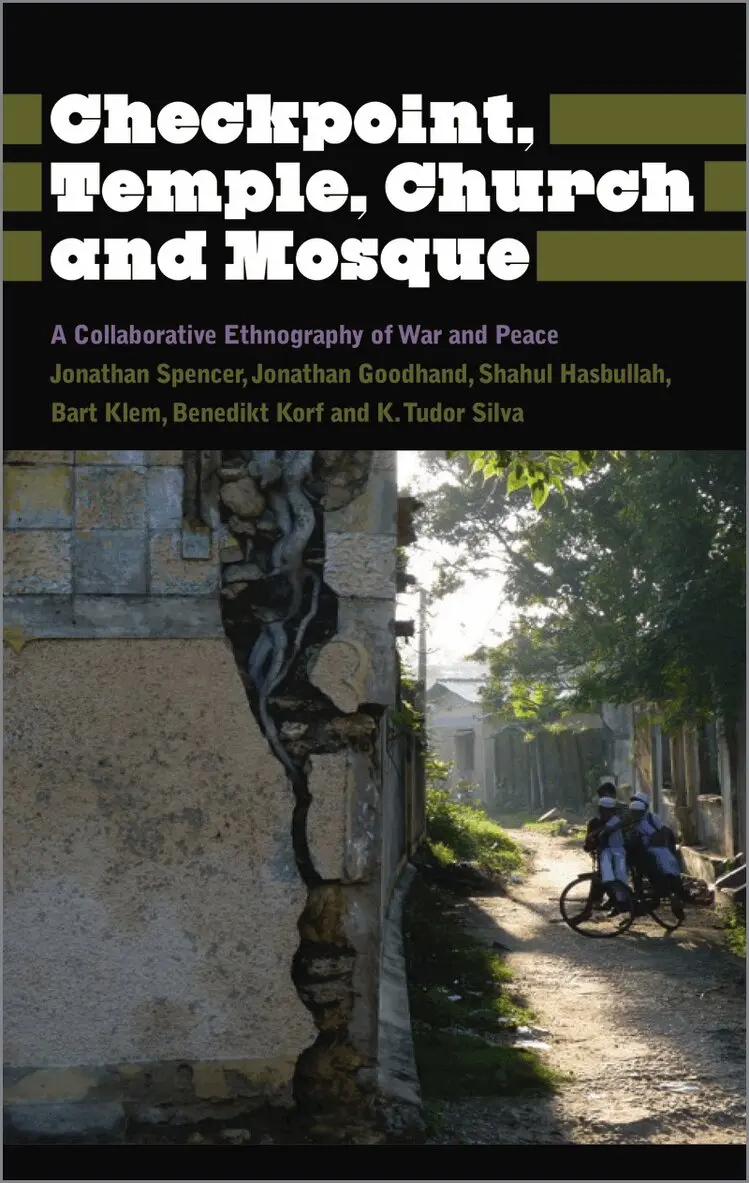
Is religion best seen as only a cause of war, or is it a source of comfort for those caught up in conflict? In Checkpoint, Temple, Church and Mosque six senior figures in Anthropology, Sociology, Geography and Development Studies set out to answer this question. Based on fieldwork conducted in Sri Lanka's most religiously diverse and politically troubled region during the country's civil war (1983-2009), it provides a series of new and provocative arguments about the promise of a religiously based civil society, and the strengths and weaknesses of religious organisations and religious leaders in conflict mediation. The authors argue that for people trapped in long and violent conflicts, religion ultimately plays a contradictory role, and that its institutions are themselves profoundly affected by war - producing a complex picture in which Catholic priests engage with Buddhist monks and new Muslim leaders, and where Hindu temples and Pentecostal churches offer the promise of healing.
Inbunden, Engelska, 2014
907 kr
Skickas inom 5-8 vardagar
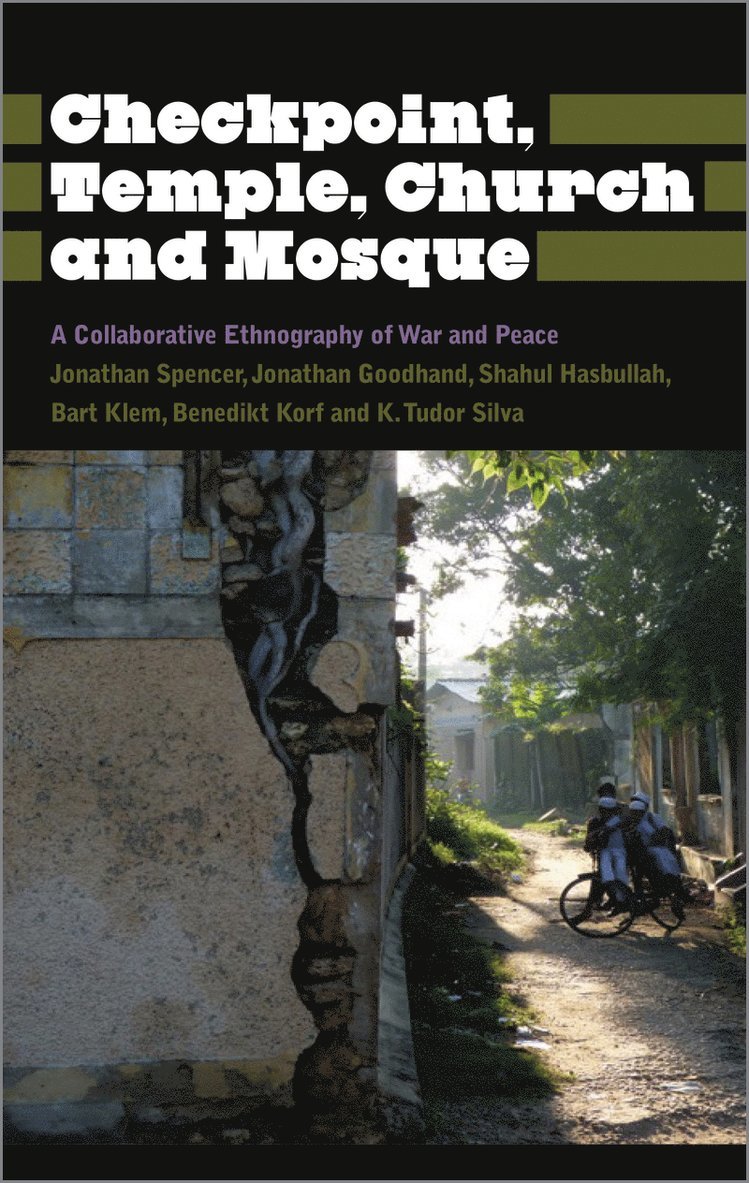
Is religion best seen as only a cause of war, or is it a source of comfort for those caught up in conflict? In Checkpoint, Temple, Church and Mosque six senior figures in Anthropology, Sociology, Geography and Development Studies set out to answer this question. Based on fieldwork conducted in Sri Lanka's most religiously diverse and politically troubled region during the country's civil war (1983-2009), it provides a series of new and provocative arguments about the promise of a religiously based civil society, and the strengths and weaknesses of religious organisations and religious leaders in conflict mediation. The authors argue that for people trapped in long and violent conflicts, religion ultimately plays a contradictory role, and that its institutions are themselves profoundly affected by war - producing a complex picture in which Catholic priests engage with Buddhist monks and new Muslim leaders, and where Hindu temples and Pentecostal churches offer the promise of healing.
Inbunden, Engelska, 2026
2 225 kr
Kommande
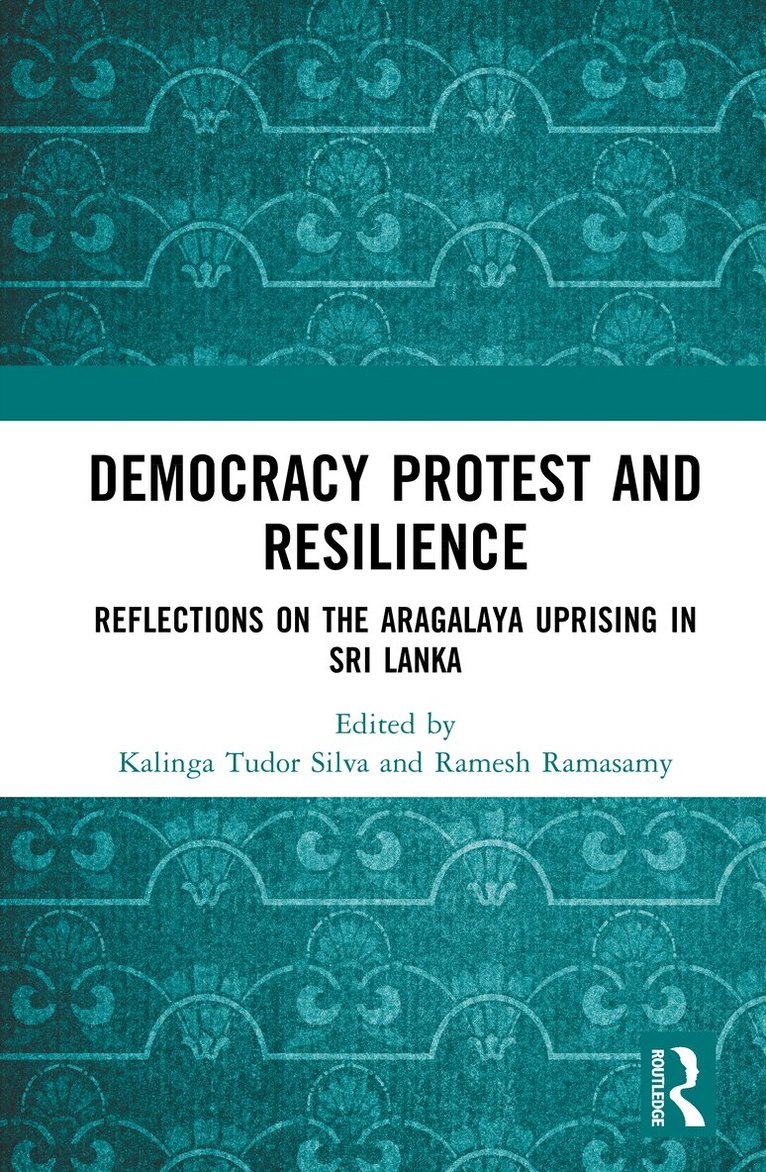
This book explores the rise and the fall of Aragalaya, a spontaneous protest movement demanding system change that erupted in Sri Lanka in the wake of the unprecedented economic crisis of 2022. With articles from Sri Lankan social scientists and activists with varied positionalities relating to peoples’ struggles, the volume captures their diverse views and interpretations of this largely non-violent democratic uprising. The 14 chapters deal with the social history, composition and the key drivers of Aragalaya; its politics and cultural dynamics; and the implications for democratisation, governance, and accountability. They elaborate the contrasting roles of mass media and social media in depicting and shaping the uprising and the particular role of artists, performers and social media influencers in moulding public opinion and mobilising the public to agitate against corruption and state repression. The book also highlights the possible way forward in terms of democratisation, development, stabilisation, peace and social harmony.Additionally, this book touches on the overall implications of the wave of democracy protests triggered by the Arab Spring of 2011, configuring Aragalaya as an important landmark in the global line-up of popular uprisings. The volume will be of interest to scholars and researchers of politics, development, popular culture, South Asian studies, and social sciences in general.
E-bok
Engelska, 2014401 kr
Läs direkt efter köp
Is religion best seen as only a cause of war, or is it a source of comfort for those caught up in conflict? In Checkpoint, Temple, Church and Mosque six senior figures in Anthropology, Sociology, Geography and Development Studies set out to answer this question. Based on fieldwork conducted in Sri Lanka''s most religiously diverse and politically troubled region during the country''s civil war (1983-2009), it provides a series of new and provocative arguments about the promise of a religiously based civil society, and the strengths and weaknesses of religious organisations and religious leaders in conflict mediation. The authors argue that for people trapped in long and violent conflicts, religion ultimately plays a contradictory role, and that its institutions are themselves profoundly affected by war - producing a complex picture in which Catholic priests engage with Buddhist monks and new Muslim leaders, and where Hindu temples and Pentecostal churches offer the promise of healing.