Kalle Kahkonen – författare
2 456 kr
Skickas inom 10-15 vardagar
749 kr
Skickas inom 10-15 vardagar
2 839 kr
Läs direkt efter köp
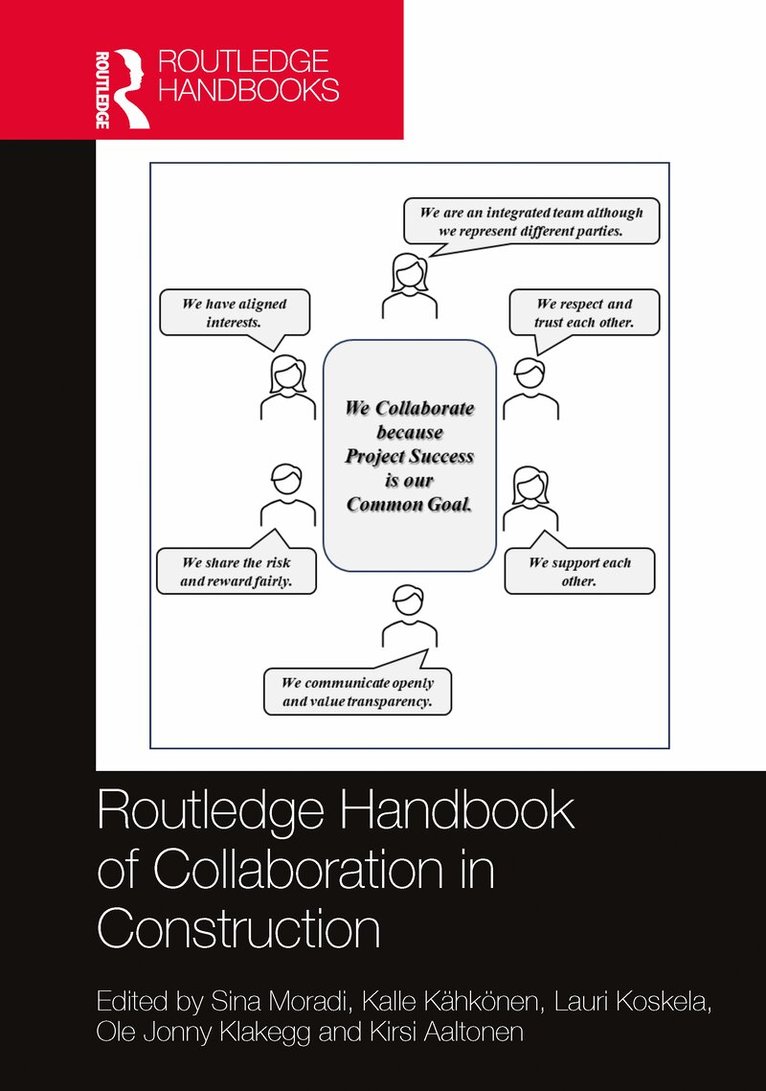
This innovative Handbook aims to look at the logic, various dimensions, and implications of collaboration in construction. It opens with a conceptualization of collaboration and its accompanying terms (i.e., cooperation and coordination) and continues with chapters in Part I which discuss the theoretical grounds of collaboration between individuals and organizations from the viewpoints of an impressive variety of relevant disciplines including organizational science; anthropology; law; economics; design; and production.
This is followed by discussions of the essence and value of collaboration in construction in Part II through explaining the role of collaborative project delivery methods and their benefits in advancing collaboration, describing the competency profile of project managers for collaborative construction, explaining key drivers and barriers of collaboration in construction, and explaining practices as well as challenges of measuring collaboration in construction.
Then, in Part III, case projects are employed to explain the benefits of collaboration in different levels of team, project, and business, to discuss the role and impact of collaboration on site and bridging the divide between construction and facility management, to discuss the role of digitalization in facilitating and advancing collaboration, to explain collaboration in decision making, to present examples of collaborative visual management, and to outline the implications of stakeholders'' early involvement and collaboration for project success. Finally, consideration is given to the future of collaboration in construction to conclude the book.
This Handbook is key reading for a broad ranging audience within the fields of construction, project, infrastructure and engineering management, organisational science, economics, and business management.
2 839 kr
Läs direkt efter köp
This innovative Handbook aims to look at the logic, various dimensions, and implications of collaboration in construction. It opens with a conceptualization of collaboration and its accompanying terms (i.e., cooperation and coordination) and continues with chapters in Part I which discuss the theoretical grounds of collaboration between individuals and organizations from the viewpoints of an impressive variety of relevant disciplines including organizational science; anthropology; law; economics; design; and production.
This is followed by discussions of the essence and value of collaboration in construction in Part II through explaining the role of collaborative project delivery methods and their benefits in advancing collaboration, describing the competency profile of project managers for collaborative construction, explaining key drivers and barriers of collaboration in construction, and explaining practices as well as challenges of measuring collaboration in construction.
Then, in Part III, case projects are employed to explain the benefits of collaboration in different levels of team, project, and business, to discuss the role and impact of collaboration on site and bridging the divide between construction and facility management, to discuss the role of digitalization in facilitating and advancing collaboration, to explain collaboration in decision making, to present examples of collaborative visual management, and to outline the implications of stakeholders'' early involvement and collaboration for project success. Finally, consideration is given to the future of collaboration in construction to conclude the book.
This Handbook is key reading for a broad ranging audience within the fields of construction, project, infrastructure and engineering management, organisational science, economics, and business management.
3 137 kr
Läs direkt efter köp
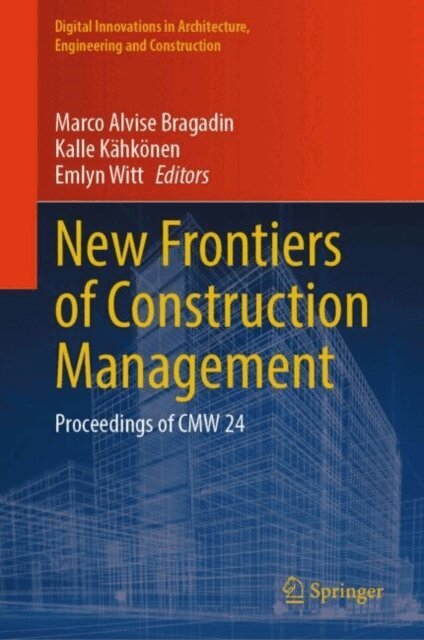
This book comprises the select proceedings of the 3rd Construction Management Workshop (CMW 24), New Frontiers of Construction Management, held in Ravenna, Italy on November 7-8, 2024. It highlights key research topics that could be drivers of change and innovation in the management of the construction and building processes in its various stages, including design, construction, operation and maintenance, disposal and reuse. It represents a contribution to the debate and an introduction to new methods and tools addressing building production and management. The contributions focus on the use of methodologies for Construction Project Management, especially those that have witnessed recent developments because of the digitalization of building processes, the use of Artificial Intelligence and the search for environmental sustainability. Topics include AI and Digitalization of building processes, Building Information Modelling and Built Heritage, Construction Project Management and Lean Construction, Off-site Construction, Occupational Health and Safety management, Environmental impacts, Circular Economy, Low carbon, Life Cycle Assessment in construction projects.