Karen Averby - Böcker
Visar alla böcker från författaren Karen Averby. Handla med fri frakt och snabb leverans.
4 produkter
4 produkter
108 kr
Skickas inom 11-20 vardagar
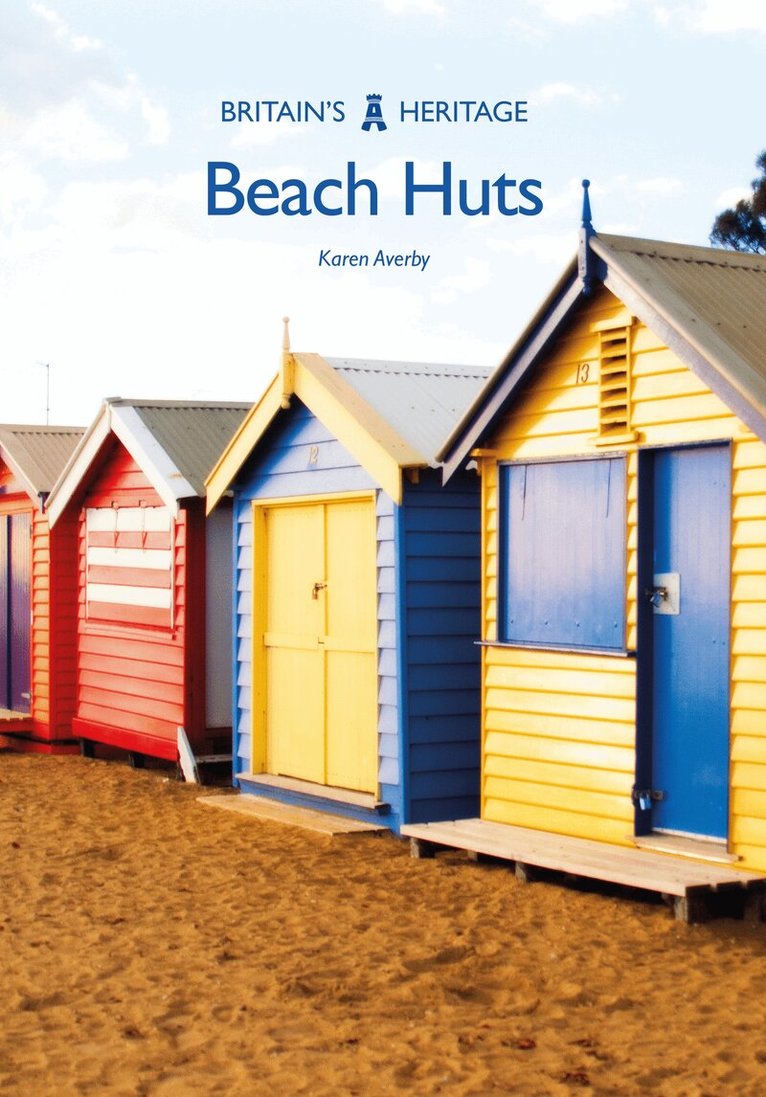
The humble and colourful beach hut can be seen up and down Britain’s coastline. Now something of an architectural icon, the beach hut seems as though it has been around forever although it is an invention of the twentieth century.From the eighteenth century the beach changed from a place for fishermen and smugglers to a fashionable place where the wealthy could recover from illness. In the nineteenth century the coming of the railways and the introduction of holidays for workers made the coast increasingly popular. A growing demand for entertainment and accommodation led to the birth of the seaside resort and, with it, the development of the seaside that we know and love today.This book is part of the Britain’s Heritage series, which provides definitive introductions to the riches of Britain’s past, and is the perfect way to get acquainted with beach huts in all their variety.
108 kr
Skickas
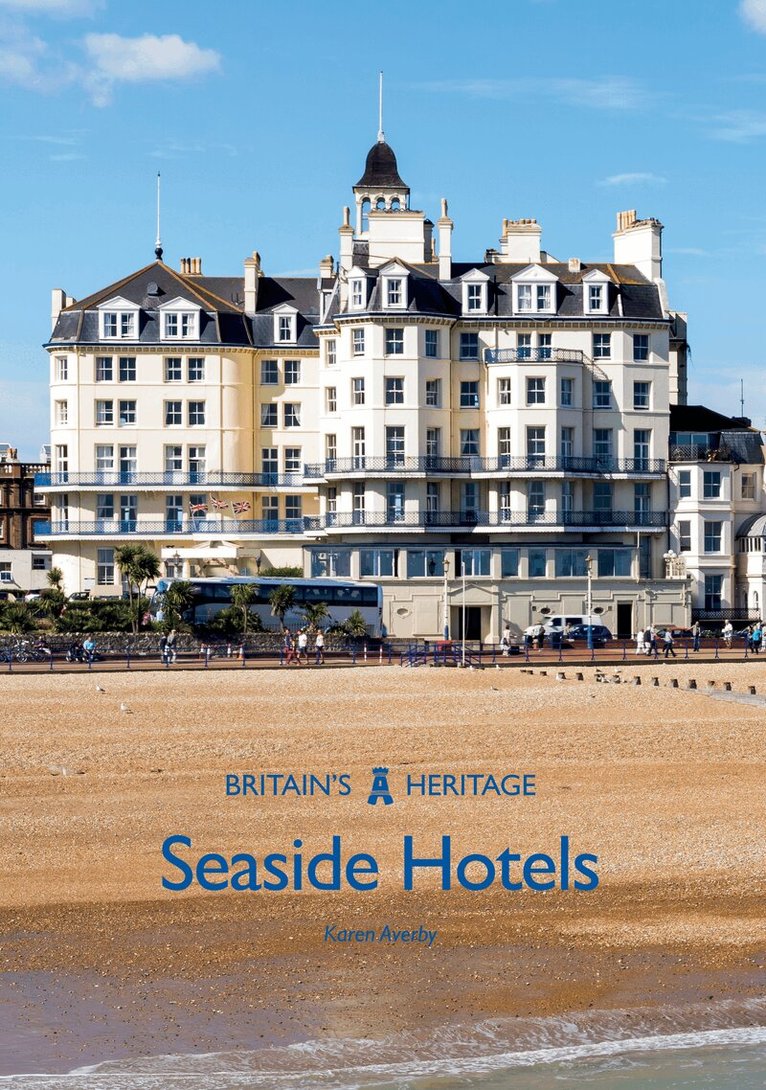
Grand seaside hotels dominate Britain’s seaside resorts with bold, largescale buildings, often magnificent examples of the most fashionable architectural style of the time. First emerging in the eighteenth century, their golden age came in the second half of the nineteenth, when a showpiece luxury hotel was a must-have for any successful seaside resort. These imposing Grands, Royals and Imperials, filled with every modern convenience of the period and containing opulent restaurants and ballrooms, are fascinating buildings that reflect the fortunes of those who built and visited them throughout the years.Karen Averby takes us through the rise, the fall and the modern-day resurgence of the grand seaside hotel across the whole of the UK, from their exclusive and luxurious nineteenth-century beginnings, through their renaissance in the interwar years, decline in the 1970s as foreign package holidays became popular and their recent, more accessible refurbished form today.This book is part of the Britain’s Heritage series, which provides definitive introductions to the riches of Britain’s past, and is the perfect way to get acquainted with seaside hotels in all their variety.
111 kr
Skickas
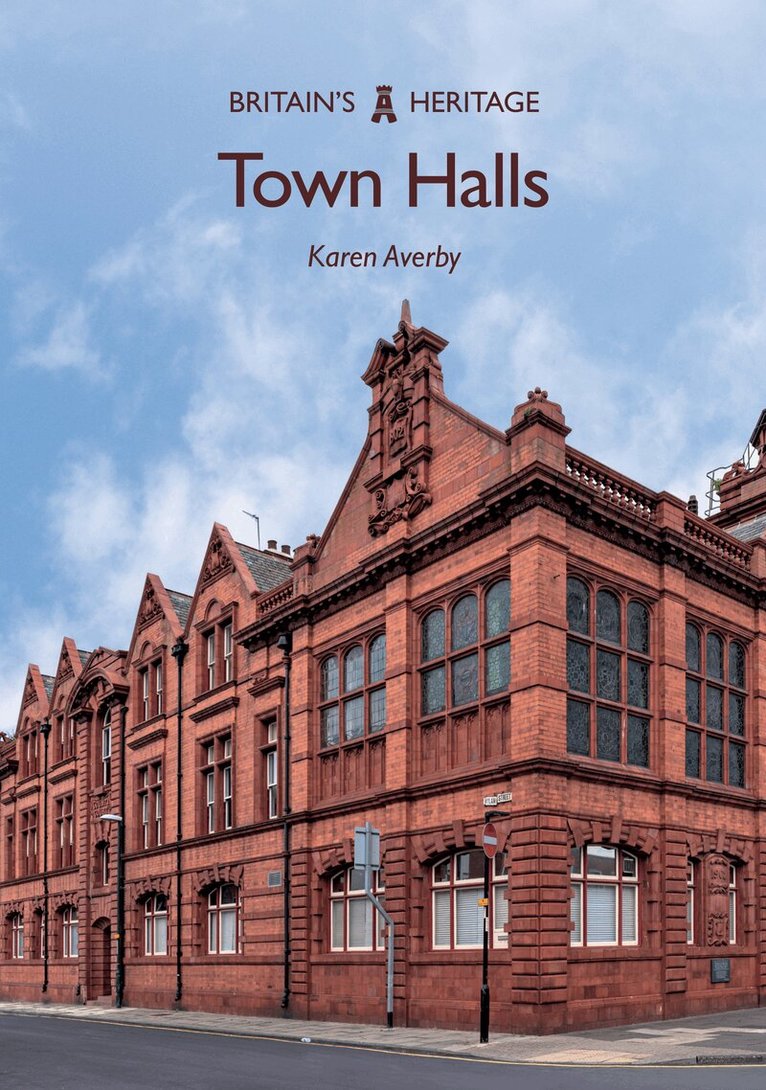
Bastions of civic architecture, town halls are a prominent part of the urban landscape of towns and cities throughout Britain.They are part of a long tradition dating back centuries, when the town hall began to embody power and authority within local society and politics. Their design and decoration are a fascinating reflection of these centres of power, and architecturally they reflect the periods in which they were built, from the classical revival and Gothic styles of the nineteenth century to the art deco of the 1930s, and the modernist buildings of the mid- to later twentieth century. This book traces their historical development from their early beginnings to the present day, at a time when many are being repurposed as they become redundant, while others have opened themselves up for more secular use.This book is part of the Britain’s Heritage series, which provides definitive introductions to the riches of Britain’s past, and is the perfect way to get acquainted with town halls in all their variety.
173 kr
Kommande
From the medieval settlement of Wilcumestou in rural Essex, to the present day E17 postcode in Greater London, Walthamstow has developed with a unique and special history. Rapid urbanisation from the mid-later nineteenth century saw this rural parish of small village settlements, farmland, forest and marshland, interspersed with large grand houses and estates, transformed with streets and houses of Victorian development within just a few decades. But the extensive open spaces of the Lea Valley to the west formed a physical barrier between London and Walthamstow, and Epping Forest to the east formed a parkway that could be accessed without passing through built up areas, marking the town as a distinct geographical area.Walthamstow’s built heritage reflects its unique historical development, through housing, philanthropy, industry, transport, education, entertainment, social life, and religion. A diverse range of buildings including those from the original village core, the era of Victorian expansion, post-war development, and more recent times, showcases the special nature of this corner of the London Borough of Waltham Forest. From medieval church, to eighteenth century mansion houses, Victorian model cottages and villas, industrial and retail premises, public houses and churches, this book tells the story of Walthamstow through its buildings. The book will appeal to all those who live in Walthamstow or who have an interest in the area.