Karen Jürs-Munby – författare
Visar alla böcker från författaren Karen Jürs-Munby. Handla med fri frakt och snabb leverans.
5 produkter
5 produkter
Häftad, Engelska, 2013
408 kr
Skickas inom 10-15 vardagar
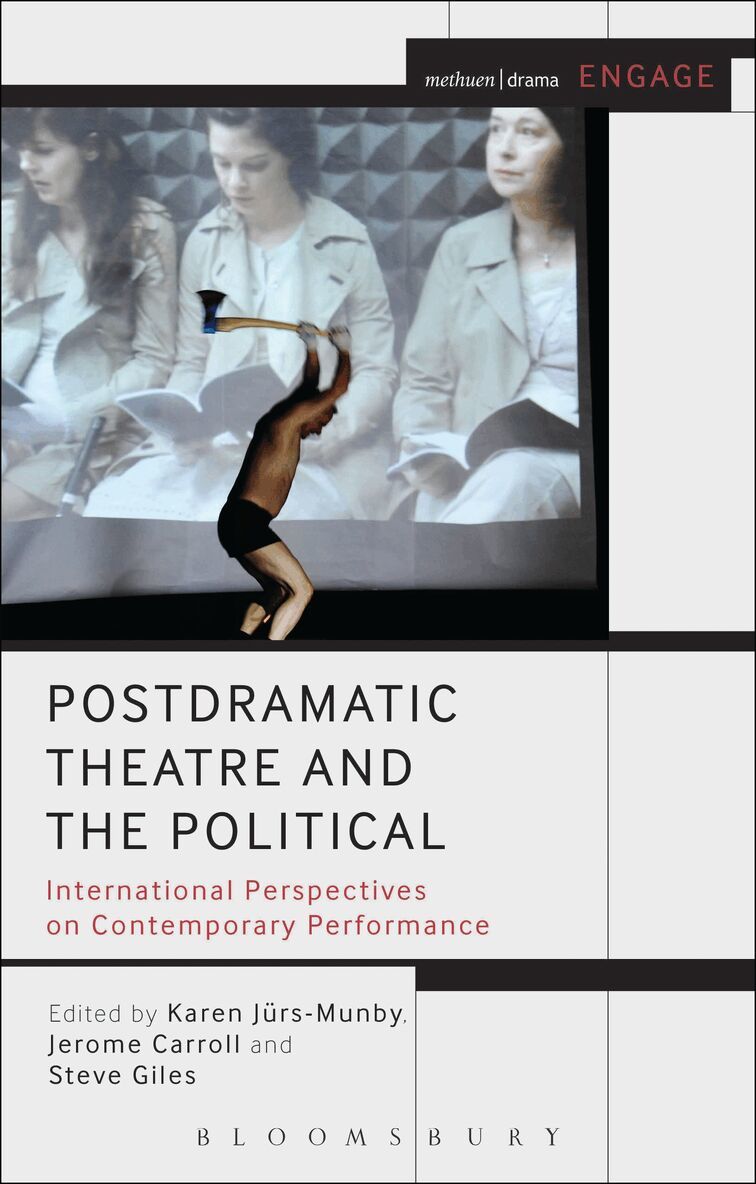
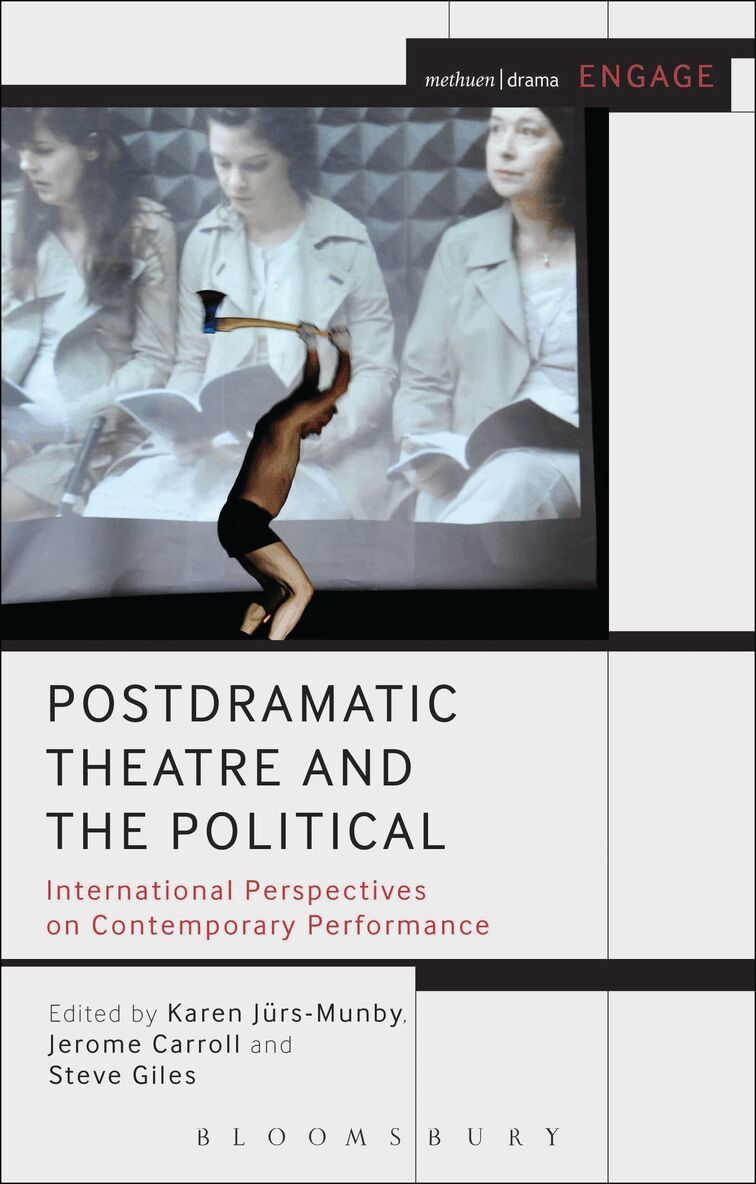
Is postdramatic theatre political and if so how? How does it relate to Brecht's ideas of political theatre, for example? How can we account for the relationship between aesthetics and politics in new forms of theatre, playwriting, and performance?The chapters in this book discuss crucial aspects of the issues raised by the postdramatic turn in theatre in the late twentieth and early twenty-first century: the status of the audience and modes of spectatorship in postdramatic theatre; the political claims of postdramatic theatre; postdramatic theatre's ongoing relationship with the dramatic tradition; its dialectical qualities, or its eschewing of the dialectic; questions of representation and the real in theatre; the role of bodies, perception, appearance and theatricality in postdramatic theatre; as well as subjectivity and agency in postdramatic theatre, dance and performance.Offering analyses of a wide range of international performance examples, scholars in this volume engage with Hans-Thies Lehmann's theoretical positions both affirmatively and critically, relating them to other approaches by thinkers ranging from early theorists such as Brecht, Adorno and Benjamin, to contemporary thinkers such as Fischer-Lichte, Rancière and others
E-bok
Engelska, 2013437 kr
Läs direkt efter köp
Is postdramatic theatre political and if so how? How does it relate to Brecht''s ideas of political theatre, for example? How can we account for the relationship between aesthetics and politics in new forms of theatre, playwriting, and performance?The chapters in this book discuss crucial aspects of the issues raised by the postdramatic turn in theatre in the late twentieth and early twenty-first century: the status of the audience and modes of spectatorship in postdramatic theatre; the political claims of postdramatic theatre; postdramatic theatre''s ongoing relationship with the dramatic tradition; its dialectical qualities, or its eschewing of the dialectic; questions of representation and the real in theatre; the role of bodies, perception, appearance and theatricality in postdramatic theatre; as well as subjectivity and agency in postdramatic theatre, dance and performance.Offering analyses of a wide range of international performance examples, scholars in this volume engage with Hans-Thies Lehmann''s theoretical positions both affirmatively and critically, relating them to other approaches by thinkers ranging from early theorists such as Brecht, Adorno and Benjamin, to contemporary thinkers such as Fischer-Lichte, Rancière and others
Inbunden, Engelska, 2013
2 010 kr
Skickas inom 10-15 vardagar
Is postdramatic theatre political and if so how? How does it relate to Brecht's ideas of political theatre, for example? How can we account for the relationship between aesthetics and politics in new forms of theatre, playwriting, and performance?The chapters in this book discuss crucial aspects of the issues raised by the postdramatic turn in theatre in the late twentieth and early twenty-first century: the status of the audience and modes of spectatorship in postdramatic theatre; the political claims of postdramatic theatre; postdramatic theatre's ongoing relationship with the dramatic tradition; its dialectical qualities, or its eschewing of the dialectic; questions of representation and the real in theatre; the role of bodies, perception, appearance and theatricality in postdramatic theatre; as well as subjectivity and agency in postdramatic theatre, dance and performance.Offering analyses of a wide range of international performance examples, scholars in this volume engage with Hans-Thies Lehmann's theoretical positions both affirmatively and critically, relating them to other approaches by thinkers ranging from early theorists such as Brecht, Adorno and Benjamin, to contemporary thinkers such as Fischer-Lichte, Rancière and others
E-bok
PDF, Engelska, 2013421 kr
Läs direkt efter köp
Is postdramatic theatre political and if so how? How does it relate to Brecht''s ideas of political theatre, for example? How can we account for the relationship between aesthetics and politics in new forms of theatre, playwriting, and performance?The chapters in this book discuss crucial aspects of the issues raised by the postdramatic turn in theatre in the late twentieth and early twenty-first century: the status of the audience and modes of spectatorship in postdramatic theatre; the political claims of postdramatic theatre; postdramatic theatre''s ongoing relationship with the dramatic tradition; its dialectical qualities, or its eschewing of the dialectic; questions of representation and the real in theatre; the role of bodies, perception, appearance and theatricality in postdramatic theatre; as well as subjectivity and agency in postdramatic theatre, dance and performance.Offering analyses of a wide range of international performance examples, scholars in this volume engage with Hans-Thies Lehmann''s theoretical positions both affirmatively and critically, relating them to other approaches by thinkers ranging from early theorists such as Brecht, Adorno and Benjamin, to contemporary thinkers such as Fischer-Lichte, Rancière and others
Inbunden, Engelska, 2027
1 458 kr
Kommande
Nobel prize laureate Elfriede Jelinek is one of the most important contemporary authors writing in German and one of the most performed dramatists on German speaking stages. ‘Theatre would have to be a kind of refusal’, she once proclaimed. Despite the fact that her no-longer-dramatic, intertextual and punning theatre texts are considered demanding, major directors have tackled them in highly innovative and acclaimed productions that ‘refuse’ theatre as usual. This book provides the first systematic exploration of the dynamics between Jelinek as a writer of political and increasingly open texts and the diverse postdramatic approaches of directors such as Einar Schleef, Jossi Wieler, Christoph Schlingensief, Nicolas Stemann, Karin Beier and Johan Simons. Through detailed analyses of the relationships between text, direction, dramaturgy, scenography, media, performance and spectatorship in exemplary productions it articulates their methods and political stakes. In doing so it also provides a corrective to a prevalent understanding of postdramatic theatre as primarily ‘non-text-based’ theatre, showing that texts can drive and be driven by creative postdramatic directorial approaches that help to shape contemporary theatre.