Karen McCormack – författare
320 kr
Skickas inom 3-6 vardagar
The idea is to move away from thinking about difficult or 'bad' students towards thinking about difficult relationships or environments. This process of change already allows the practitioner to reflect in a far more constructive and objective manner. This process of reflection and evaluation also allows the practitioner to acknowledge their own feelings in this process. Whilst there are strategies that can help in a reactive sense to situations and behaviours as they occurs such as body language and proxemics there are no 'quick fixes' to deal with what are extremely complicated and complex relationships and situations.
This is where a solution-focused approach can be helpful as it is brief and effective. It can be brief because it is future-focused and because it works with the strengths of those who come by making the best use of their resources, and it can bring about lasting change because it aims to build solutions rather than solve problems i.e. identifying small baby steps towards a bigger end goal. Thus this approach, whilst initially daunting, allows the practitioner to be freed of the shackles of 'labels' that are neither helpful nor constructive and instead becomes a powerful tool for transforming negative learning environments.
309 kr
Läs direkt efter köp
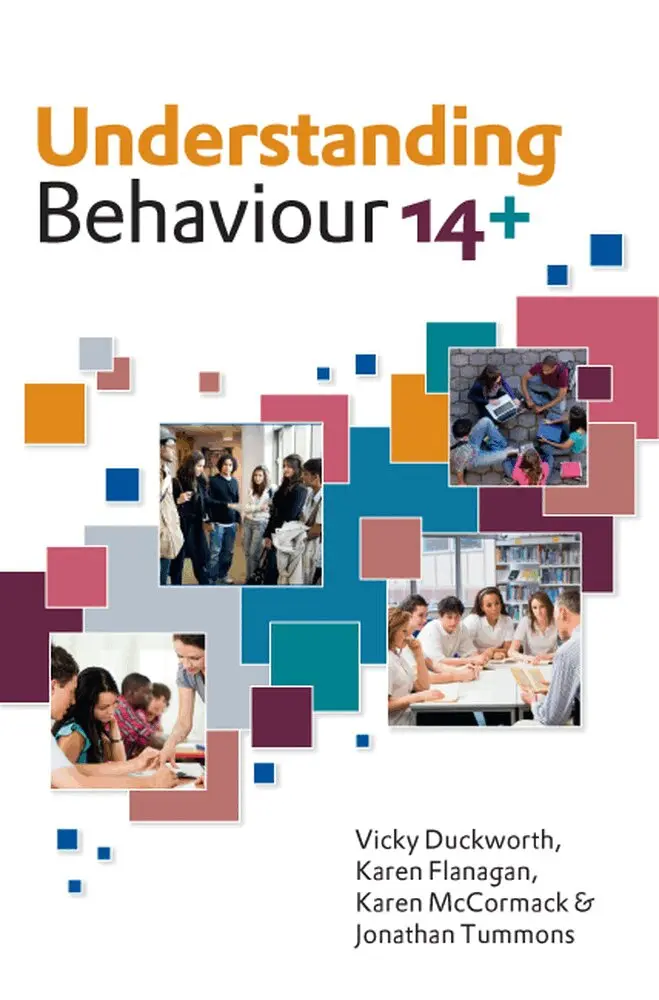
This book will equip the practitioner with the skills required to implement change within problematic relationships and environments, and to explore a range of possible reasons as to ‘why students behave in the way they do’.
Understanding Behaviour 14+ challenges existing paradigms in order to break down barriers; substituting and encouraging professional responsibility for promoting positive relationships rather than the passive acceptance of unwanted behaviors, or a reliance on a culture of ‘blame’.
Key features of the book include:
A brief and effective solution-focused approachChallenging existing paradigms Consideration of the process of reflection and evaluation Effective approaches to providing an inclusive classroomThis essentially moves away from thinking about difficult or ‘bad’ students and towards thinking about difficult relationships or environments. This process of change allows the practitioner to reflect in a far more constructive and objective manner, also allowing the practitioner to acknowledge their own feelings in this process.“The effective management of the behaviour of 14+ learners has become a key issue across the school and lifelong learning sectors. The new Ofsted Schools, Common Inspection Framework and Initial Teacher Education Framework have behaviour management as a central focus. The raising of the participation age (RPA) will require teachers to manage the learning of a wider range of students in an increasingly broader spectrum of institutional contexts. Understanding Behaviour 14+ will be a welcome resource for these teachers, whether more or less experienced. The authors recognize that there are no quick fixes to deal with what are extremely complicated relations and situations and avoid a ‘tips for teachers’ approach to behaviour management. They emphasise the importance of understanding why students behave the way they do and, with an excellent blend of theory and practice, encourage teachers to use reflection and to take solution- rather than problem-based approaches to managing behaviour. The text is highly accessible and issues are practically grounded in real life case studies.”Andy Armitage is Head of The Department of Post-Compulsory Education, Canterbury Christ Church University, UK. He recently completed a year’s secondment to Ofsted as an inspector of Initial Teacher Education