Karin Priem – författare
433 kr
Skickas inom 10-15 vardagar
446 kr
Skickas inom 10-15 vardagar
1 312 kr
Skickas inom 10-15 vardagar
1 312 kr
Skickas inom 10-15 vardagar
507 kr
Läs direkt efter köp
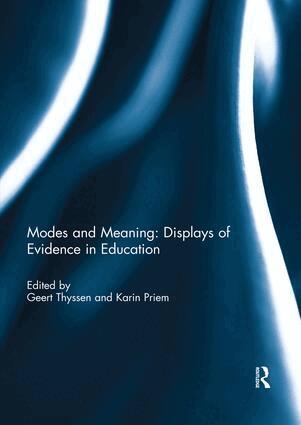
In the past few decades there has been a growing interest and debate amongst historians of education surrounding issues of visuality, materiality, spatiality, transfer, and circulation. This collection of essays – with its focus on the interaction between ideas, images, objects, and/or spaces that contain an educational dimension – is a contribution to this ongoing debate. The contributors address how meaning is created, conveyed, and transformed through multiple modes of communication, representation, and interaction; through movement across spaces; through media and technologies; and through collective memory- and identity-making. The collection demonstrates that meaning is mobilized through ‘multimodality’, ‘translocation’, ‘technology’, and ‘heritage’, and that it assumes different qualities which need to be reflected upon in the history of education in particular and in education research in general. This book was originally published as a special issue of Paedagogica Historica.
507 kr
Läs direkt efter köp
In the past few decades there has been a growing interest and debate amongst historians of education surrounding issues of visuality, materiality, spatiality, transfer, and circulation. This collection of essays – with its focus on the interaction between ideas, images, objects, and/or spaces that contain an educational dimension – is a contribution to this ongoing debate. The contributors address how meaning is created, conveyed, and transformed through multiple modes of communication, representation, and interaction; through movement across spaces; through media and technologies; and through collective memory- and identity-making. The collection demonstrates that meaning is mobilized through ‘multimodality’, ‘translocation’, ‘technology’, and ‘heritage’, and that it assumes different qualities which need to be reflected upon in the history of education in particular and in education research in general. This book was originally published as a special issue of Paedagogica Historica.
523 kr
Läs direkt efter köp
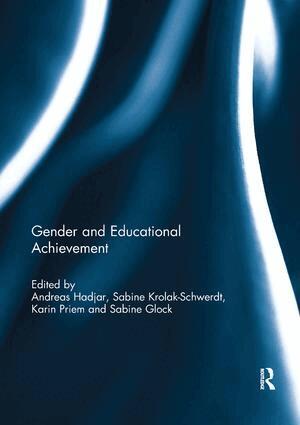
Gender inequalities in education – in terms of systematic variations in access to educational institutions, in competencies, school marks, and educational certificates along the axis of gender – have tremendously changed over the course of the 20th century. Although this does not apply to all stages and areas of the educational career, it is particularly obvious looking at upper secondary education. Before the major boost of educational expansion in the 1960s, women’s participation in upper secondary general education, and their chances to successfully finish this educational pathway, have been lower than men’s. However, towards the end of the 20th century, women were outperforming men in many European countries and beyond.
The international contributions to this book attempt to shed light on the mechanisms behind gender inequalities and the changes made to reduce this inequality. Topics explored by the contributors include gender in science education in the UK; women’s education in Luxembourg in the 19th and 20th century; the ‘gender gap’ debates and their rhetoric in the UK and Finland; sociological perspectives on the gender-equality discourse in Finland; changing gender differences in West Germany in the 20th century; the interplay of subjective well-being and educational attainment in Switzerland; and a psychological perspective on gender identities, gender-related perceptions, students’ motivation, intelligence, personality, and the interaction between student and teacher gender. This book was originally published as a special issue of Educational Research.
523 kr
Läs direkt efter köp
Gender inequalities in education – in terms of systematic variations in access to educational institutions, in competencies, school marks, and educational certificates along the axis of gender – have tremendously changed over the course of the 20th century. Although this does not apply to all stages and areas of the educational career, it is particularly obvious looking at upper secondary education. Before the major boost of educational expansion in the 1960s, women’s participation in upper secondary general education, and their chances to successfully finish this educational pathway, have been lower than men’s. However, towards the end of the 20th century, women were outperforming men in many European countries and beyond.
The international contributions to this book attempt to shed light on the mechanisms behind gender inequalities and the changes made to reduce this inequality. Topics explored by the contributors include gender in science education in the UK; women’s education in Luxembourg in the 19th and 20th century; the ‘gender gap’ debates and their rhetoric in the UK and Finland; sociological perspectives on the gender-equality discourse in Finland; changing gender differences in West Germany in the 20th century; the interplay of subjective well-being and educational attainment in Switzerland; and a psychological perspective on gender identities, gender-related perceptions, students’ motivation, intelligence, personality, and the interaction between student and teacher gender. This book was originally published as a special issue of Educational Research.
1 482 kr
Skickas inom 5-8 vardagar
1 497 kr
Läs direkt efter köp
1 497 kr
Läs direkt efter köp
1 506 kr
Skickas inom 5-8 vardagar
1 335 kr
Skickas inom 5-8 vardagar
627 kr
Skickas inom 11-20 vardagar
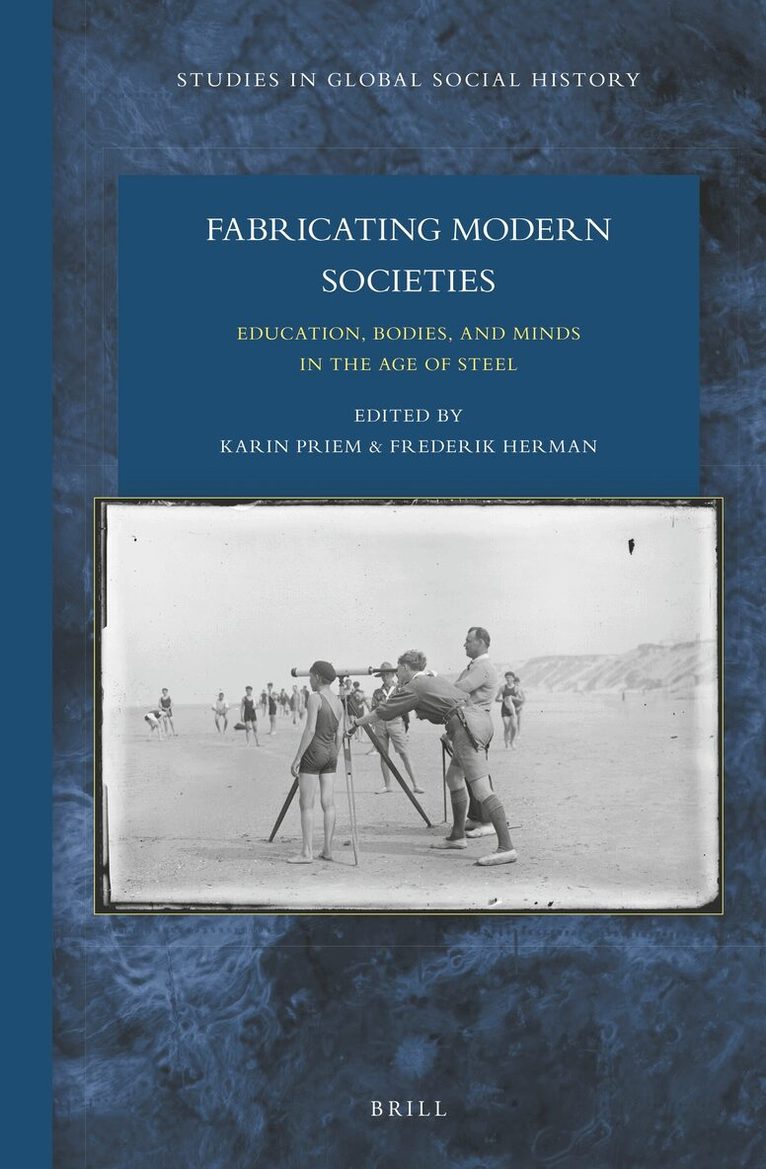
Fabricating Modern Societies: Education, Bodies, and Minds in the Age of Steel
1 892 kr
Skickas inom 5-8 vardagar