Karl H. Schlesier – författare
Visar alla böcker från författaren Karl H. Schlesier. Handla med fri frakt och snabb leverans.
3 produkter
3 produkter
Häftad, Engelska, 1994
447 kr
Skickas inom 10-15 vardagar
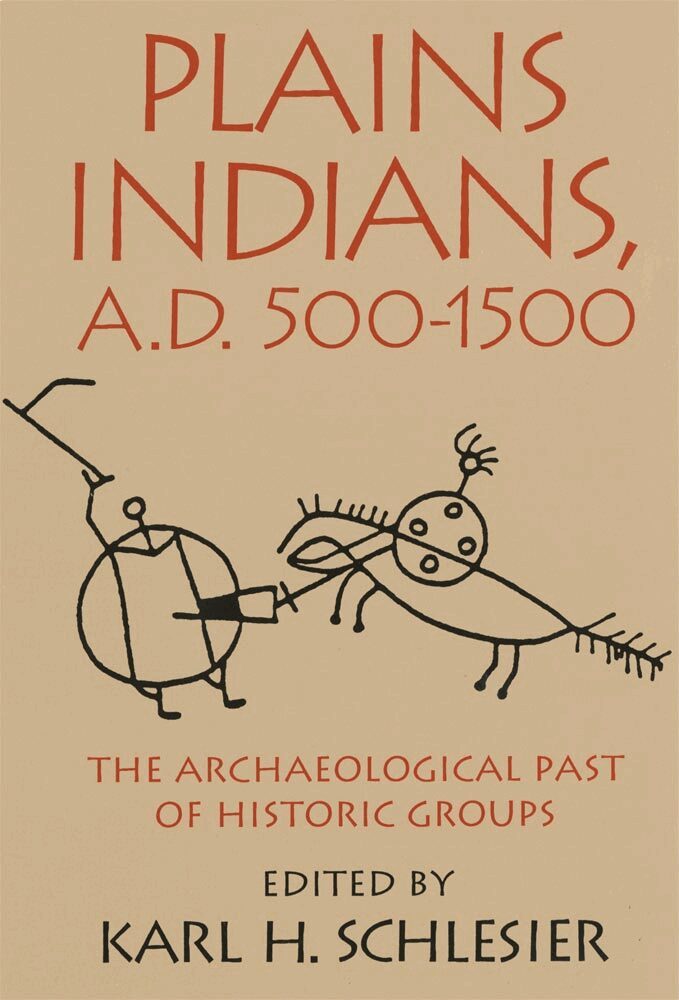
The question of how archeological complexes in North America relate to contemporary American Indian peoples is a vital one for anthropologists and historians alike - and especially for the Indian nations themselves. Who are the Sioux, for example? Who were their forbears? How and why did early cultures grow or meld with others to give rise to the peoples we know today?Plains Indian, A.D. 500-1500: The Archaeological Past of Historic Groups, a truly revolutionary book, traces Indian ethnic continuity and cultural diversity in the Great Plains during the millennium preceding the European arrival. A team of specialists, brought together by editor Karl H. Schlesier, use archaeological, ethnographic, and linguistic research to connect North American archaeological complexes to present-day Plains peoples. Apacheans (including the Navajos) and Tanoan-speaking Pueblo peoples of the Rio Grande area are included because of their ancestors' Plains affiliation.The contributors summarize the archaeological findings of each region of the Great Plains (including southern Canada and the Rio Grande area) and propose correlations between prehistoric entities and later groups. Beyond archaeological investigation, the collection considers symbolic expressions of ethnicity in religious practice, rituals, myths, objects imbued with sacred power, and sacred places used as ""territorial markers"" - explicitly recognizing the American Indians' own resources of historical identity.Numerous maps and illustrations and an exhaustive bibliography make this an indispensable reference work. Of particular value is a series of maps depicting the evolution of pre-conquest Indian nations from the various language groups.The explanations offered here are bound to be controversial, but the inquiry is essential if we are to bridge the persistent scholarly gaps between archaeology, ethnography, and Indian traditions in order to recover the early history of America's Native peoples.
Häftad, Engelska, 2014
277 kr
Skickas inom 10-15 vardagar
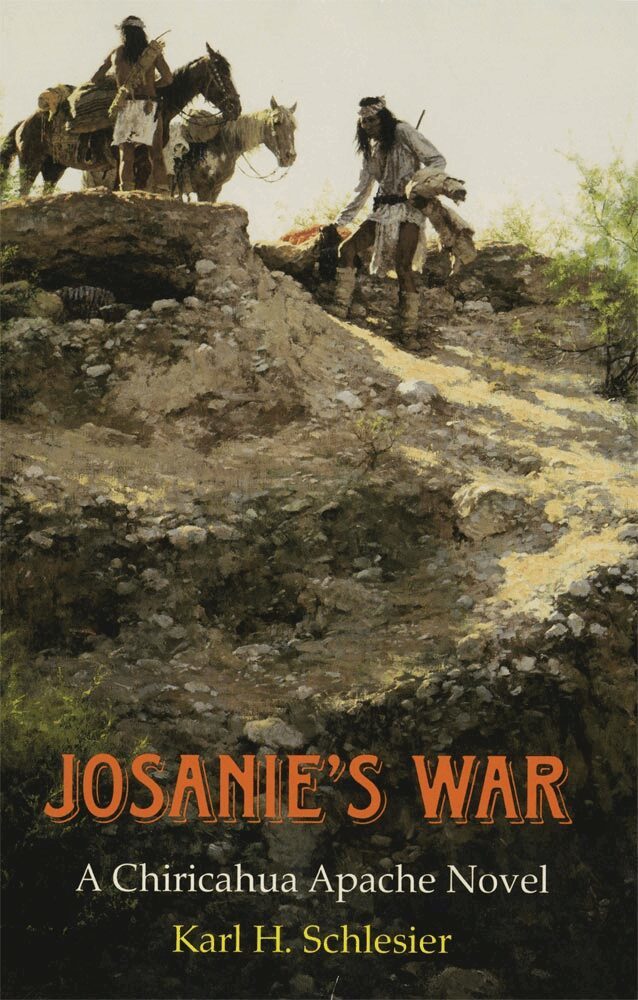
On May 17, 1885, five small bands of Chiricahua Apaches left their camps on Turkey Creek, seventeen miles southwest of Fort Apache, Arizona, and fled the reservation. Three of these bands, led by Chihuahua, Naiche, and Geronimo, were of the old Chokonen division of the tribe. The other two bands, led by Nana and Mangas, were Chihenne, or Warm Springs, Apaches. Together they numbered 35 men, 8 boys tagged by reservation officials as capable of bearing arms, and 101 women and children. Charles F. Lummis, a journalist who accompanied General George Crook during some of his attempts to recapture or kill these Apaches, called them ""the deadliest fighting handful in the calendar of man.""This is the story of the last great Apache was as told through the character of Josanie, Chihuahua's older brother and the established war captain of his Chokonen band. Clashing with much larger American and Mexican forces, Josanie's warriors terrorized parts of Arizona, New Mexico, Chihuahua, and Sonora.Karl H. Schlesier carefully interweaves fictional chapters with historical documents - military records, eyewitness accounts, and newspaper reports - and Apache songs and stories. Incorporating intimate glimpses of Apache life and culture, including a recounting of the gotál, or New Life, ritual of Apache girls, Schlesier tells the dramatic story of Josanie's people and of their fight to the death for a Chiricahua homeland.
56 kr
Läs direkt efter köp
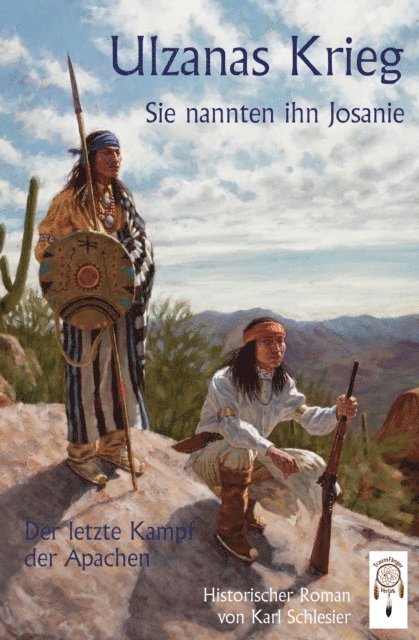
Zwangsumgesiedelt leben die Angehörigen der Chiricahua-Apachen im Jahr 1885 in der Reservation am Turkey Bach. Ihr Alltag ist von Hunger, Krankheit, Elend und Unterdrückung geprägt. Um diesen menschenunwürdigen Lebensumständen zu entgehen, verlassen am 17. Mai 1885 fünf kleine Gruppen mit insgesamt 35 Männern, 8 Jugendlichen und 101 Frauen und Kindern heimlich ihre Reservation. Die Flucht ruft profilierungssüchtige Politiker und Zeitungsreporter auf den Plan und es beginnt eine erbarmungslose Jagd auf die entflohenen Apachen., sowohl von den Vereinigten Staaten Amerikas als auch Mexikos. Immer wieder gelingt es den Apachen, ihre Verfolger abzuschütteln und zu überlisten, während die weiße Presse das Bild der "grausamen und marodierenden Apachen" über den Kontinent verbreitet. Das Buch beschreibt in Romanform den letzten Freiheitskampf der Apachen in der Person von Ulzana. Dabei zeichnet Prof. Karl H. Schlesier, einer der bedeutendsten Kenner der indianischen Kultur und Geschichte, ein weitgehend differenziertes Bild der Apachen, ihrer Kultur und ihrer Religion, fernab der weißen Propaganda. Er zeigt den verzweifelten Kampf dieser Menschen um ein menschenwürdiges Leben.