Karl Koop – författare
Visar alla böcker från författaren Karl Koop. Handla med fri frakt och snabb leverans.
6 produkter
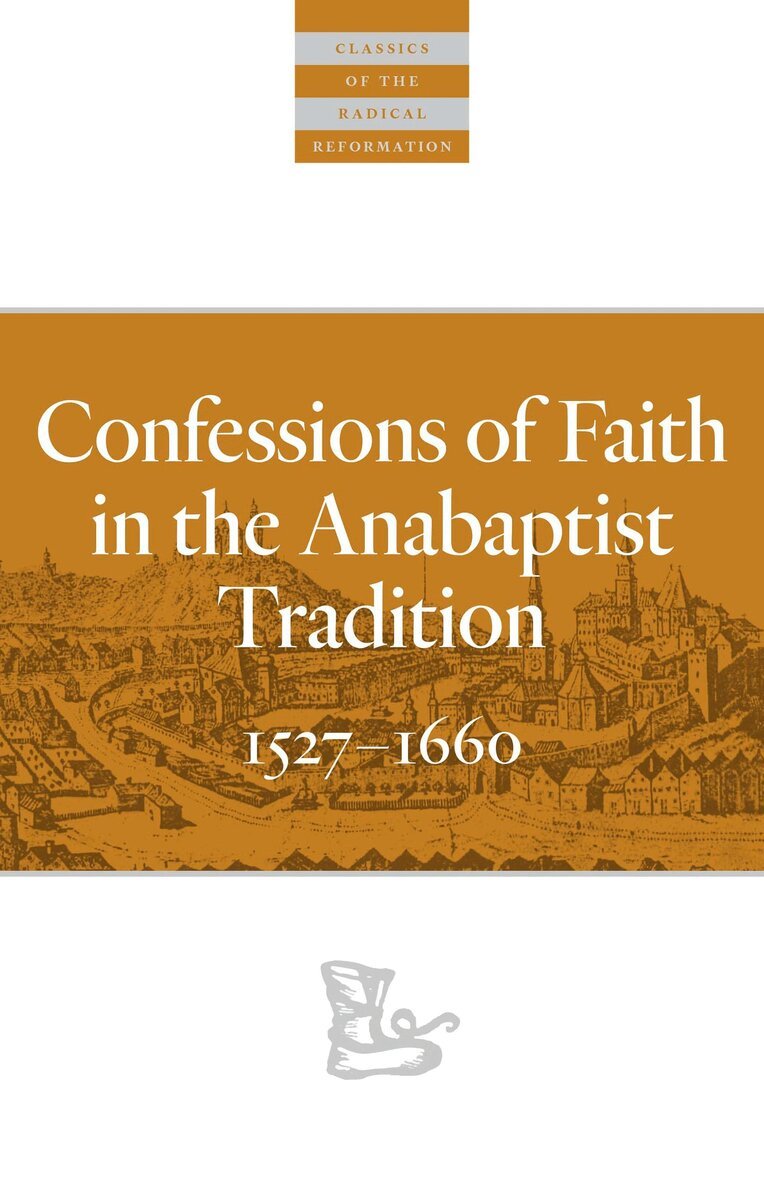
Confessions of Faith in the Anabaptist Tradition
1527–1676
Av Karl Koop
Häftad, 2019
259 kr
Lägg i varukorg
The volume brings together early statements of belief from across the Radical Reformation.a representative collection of confessions produced by Anabaptist groups from 1527 to 1660. Included are confessions from the Swiss Brethren, the Marpeck circle, the Rhinelanders, and various Mennonite …
Confessions of Faith in the Anabaptist Tradition
1527–1676
Av Karl Koop
E-bok, 2019
146 kr
Lägg i varukorg
The volume brings together early statements of belief from across the Radical Reformation. a representative collection of confessions produced by Anabaptist groups from 1527 to 1660. Included are confessions from the Swiss Brethren, the Marpeck circle, the Rhinelanders, and various Mennonite …
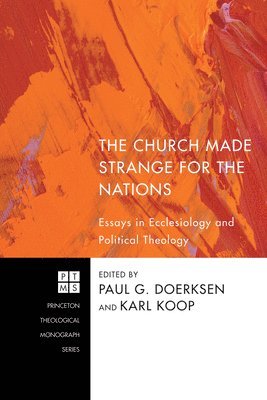
Church Made Strange for the Nations
Essays in Ecclesiology and Political Theology
Inbunden, 2011
444 kr
Lägg i varukorg
The Church Made Strange for the Nations
Av Paul G. Doerksen, Karl Koop
Häftad, 2011
282 kr
Lägg i varukorg
Church Made Strange for the Nations
Essays in Ecclesiology and Political Theology
Av Karl Koop, Paul G. Doerksen
E-bok, 2011
407 kr
Lägg i varukorg
Christians have sometimes professed that the church ought to be in the world but not of it, yet the meaning and significance of this conviction has continued to challenge and confound. In the context of persecution, Christians in the ancient world tended to distance themselves from the social and …