Karol Berger – författare
Visar alla böcker från författaren Karol Berger. Handla med fri frakt och snabb leverans.
13 produkter
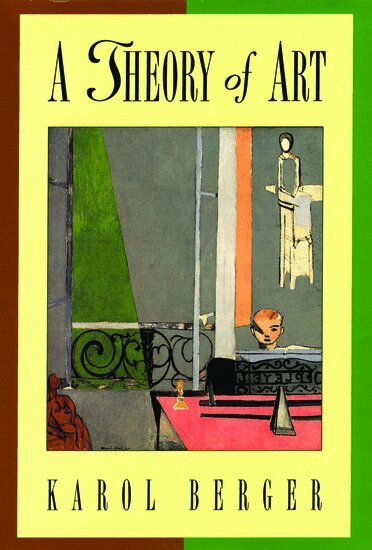
A Theory of Art
Av Karol Berger
Inbunden, 1999
3153 kr
Lägg i varukorg
This philosophical theory of art, addressed to anyone with a serious interest in the arts, has three main objectives: to shift the focus of aesthetics from the question "What is art?" to the question "What is art for?"; to describe the social and historical situation of art today; and to combine …
A Theory of Art
Av Karol Berger
Häftad, 2002
911 kr
Lägg i varukorg
What, if anything, has art to do with the rest of our lives, and in particular with those ethical and political issues that matter to us most? Will art created today be likely to play a role in our lives as profound as that of the best art of the past? A Theory of Art shifts the focus of aesthetics …
Theory of Art
Av Karol Berger
E-bok, 1999
408 kr
Lägg i varukorg
What, if anything, has art to do with the rest of our lives, and in particular with those ethical and political issues that matter to us most? Will art created today be likely to play a role in our lives as profound as that of the best art of the past? A Theory of Art shifts the focus of aesthetics …
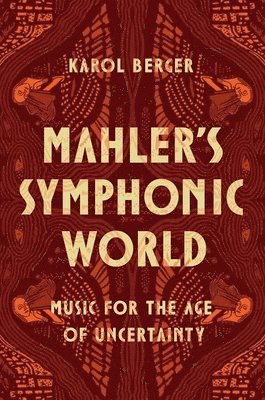
Mahler's Symphonic World
Music for the Age of Uncertainty
Av Karol Berger
Inbunden, 2025
536 kr
Lägg i varukorg
A new analysis of Mahler’s symphonies, placing each within the context of his musical way of being in and experiencing the world.Between 1888 and 1909 Gustav Mahler completed nine symphonies and the orchestral song cycle Das Lied von der Erde; his tenth symphony was left incomplete at his death in …
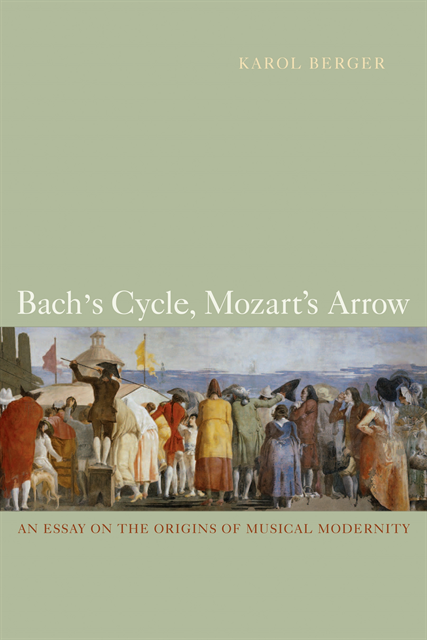
Bach's Cycle, Mozart's Arrow
An Essay on the Origins of Musical Modernity
Av Karol Berger
Häftad, 2007
315 kr
Lägg i varukorg
In this erudite and elegantly composed argument, Karol Berger uses the works of Monteverdi, Bach, Mozart, and Beethoven to support two groundbreaking claims: first, that it was only in the later eighteenth century that music began to take the flow of time from the past to the future seriously; …
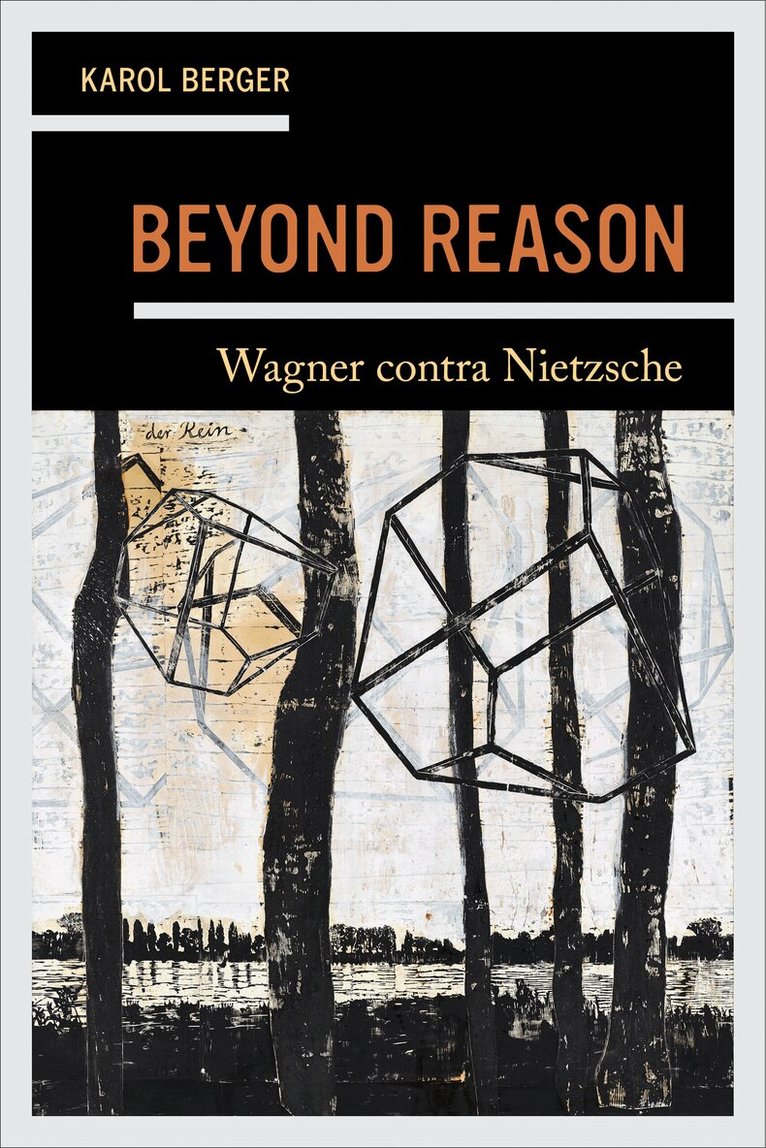
Beyond Reason
Wagner contra Nietzsche
Av Karol Berger
Inbunden, 2016
823 kr
Lägg i varukorg
Beyond Reason relates Wagner's works to the philosophical and cultural ideas of his time, centering on the four music dramas he created in the second half of his career: Der Ring des Nibelungen, Tristan und Isolde, Die Meistersinger von Nurnberg, and Parsifal. Karol Berger seeks to penetrate the …
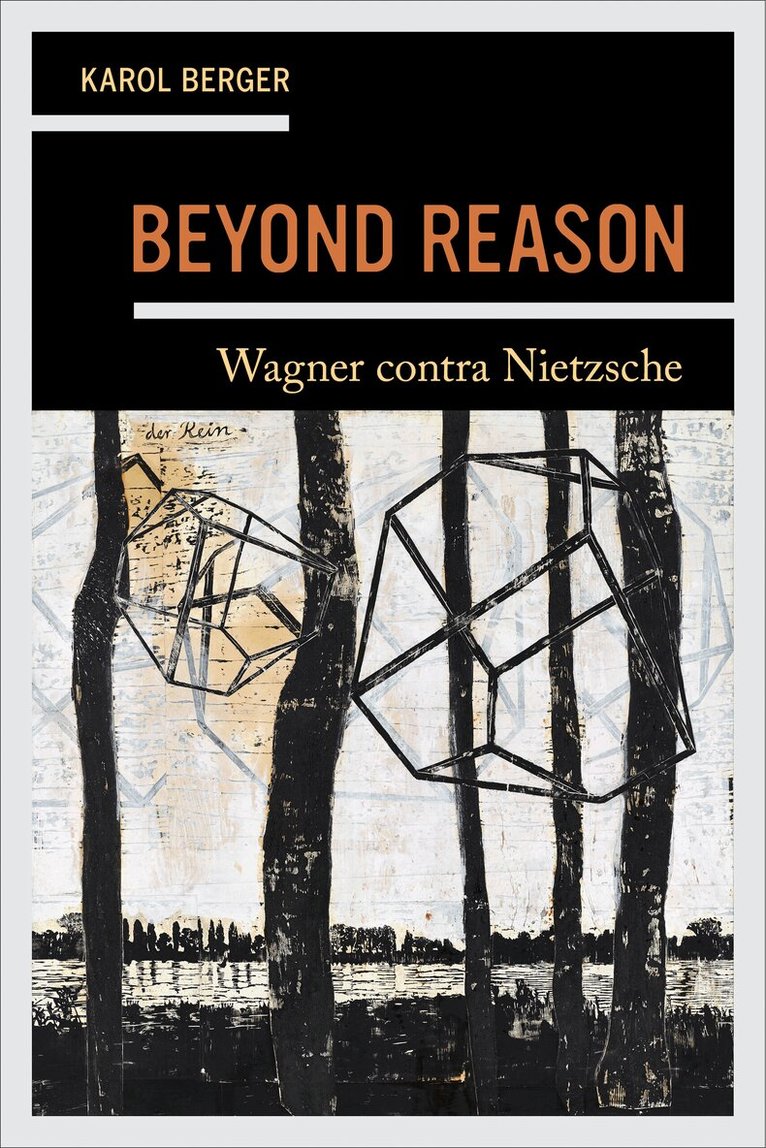
Beyond Reason
Wagner contra Nietzsche
Av Karol Berger
Häftad, 2024
403 kr
Lägg i varukorg
Beyond Reason relates Wagner’s works to the philosophical and cultural ideas of his time, centering on the four music dramas he created in the second half of his career: Der Ring des Nibelungen, Tristan und Isolde, Die Meistersinger von Nürnberg, and Parsifal. Karol Berger seeks to penetrate the …
Bach's Cycle, Mozart's Arrow
An Essay on the Origins of Musical Modernity
Av Karol Berger
E-bok, 2007
535 kr
Lägg i varukorg
In this erudite and elegantly composed argument, Karol Berger uses the works of Monteverdi, Bach, Mozart, and Beethoven to support two groundbreaking claims: first, that it was only in the later eighteenth century that music began to take the flow of time from the past to the future seriously; …
Beyond Reason
Wagner contra Nietzsche
Av Karol Berger
E-bok, 2016
658 kr
Lägg i varukorg
Beyond Reason relates Wagner’s works to the philosophical and cultural ideas of his time, centering on the four music dramas he created in the second half of his career: Der Ring des Nibelungen , Tristan und Isolde , Die Meistersinger von Nürnberg , and Parsifal . Karol Berger seeks to penetrate …
Musica Ficta
Theories of Accidental Inflections in Vocal Polyphony from Marchetto da Padova to Gioseffo Zarlino
Av Karol Berger
Häftad, 2004
485 kr
Lägg i varukorg
The main purpose of this book is to clarify the meaning and use of the conventions governing the practice of implied accidentals in vocal polyphony from the early fourteenth to the mid-sixteenth century - a problem which has fascinated musicologists for over a hundred years now. Musicians of the …
Music and the Aesthetics of Modernity
Essays
Av Karol Berger, Anthony Newcomb
Inbunden, 2005
315 kr
Lägg i varukorg
For most music historians, the modernism of the twentieth century was until recently the only appearance of the "modern" in music. The widely perceived recent decline of musical modernism makes it now possible to see the modernism of the twentieth century as a chapter in a much longer story, the …
Jenseits der Vernunft
Form und Bedeutung in Wagners Musikdramen
Av Karol Berger
Inbunden, 2022
531 kr
Lägg i varukorg
Karol Berger setzt Wagners Musikdramen in Beziehung zu den philosophischen und kulturellen Ideen seiner Zeit und konzentriert sich dabei in einer ausführlichen und gut verständlichen Analyse auf die vier Werke, die dieser in der zweiten Hälfte seiner Karriere schuf: „Der Ring des Nibelungen“, …
Jenseits der Vernunft
Form und Bedeutung in Wagners Musikdramen
Av Karol Berger
E-bok, 2022
537 kr
Lägg i varukorg
Karol Berger setzt Wagners Musikdramen in Beziehung zu den philosophischen und kulturellen Ideen seiner Zeit und konzentriert sich dabei in einer ausführlichen und gut verständlichen Analyse auf die vier Werke, die dieser in der zweiten Hälfte seiner Karriere schuf: „Der Ring des Nibelungen“, …