
Katalin Gruiz – författare
780 kr
Skickas inom 10-15 vardagar
780 kr
Skickas inom 10-15 vardagar
794 kr
Skickas inom 10-15 vardagar
2 649 kr
Skickas inom 10-15 vardagar
2 649 kr
Skickas inom 10-15 vardagar
2 649 kr
Skickas inom 5-8 vardagar
2 649 kr
Skickas inom 10-15 vardagar
874 kr
Läs direkt efter köp
2 976 kr
Läs direkt efter köp
942 kr
Läs direkt efter köp
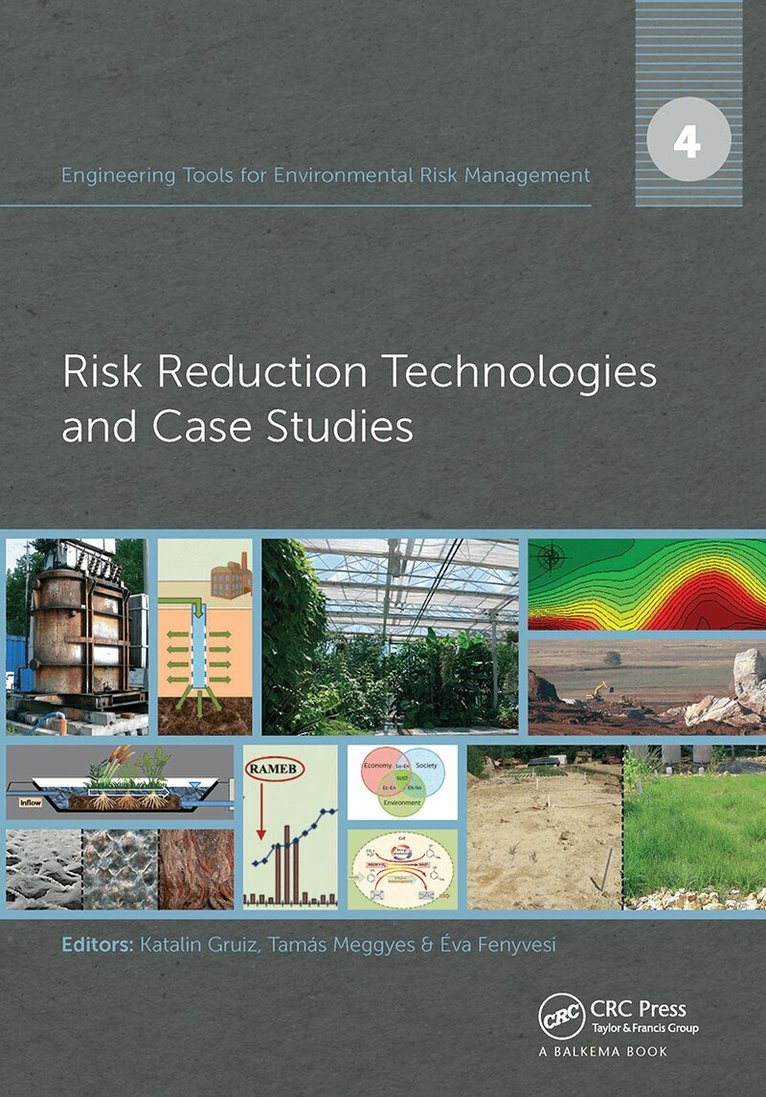
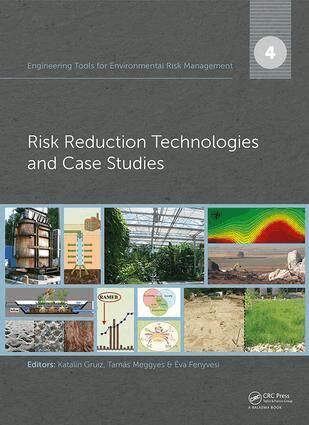
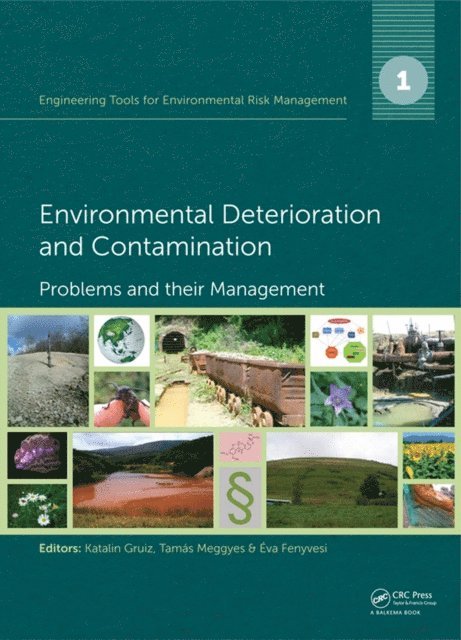
The four volumes of the book series "Engineering Tools for Environmental Risk Management" deal with environmental management, assessment & monitoring tools, environmental toxicology and risk reduction technologies. This last volume focuses on engineering solutions usually needed for industrial contaminated sites, where nature’s self-remediation is inefficient or too slow. The success of remediation depends on the selection of an increasing number of conventional and innovative methods. This volume classifies the remedial technologies and describes the reactor approach to understand and manage in situ technologies similarly to reactor-based technologies. Technology types include physicochemical, biological or ecological solutions, where near-natural, sustainable remediation has priority.
A special chapter is devoted to natural attenuation, where natural changes can help achieve clean-up objectives. Natural attenuation and biological and ecological remediation establish a serial range of technologies from monitoring only to fully controlled interventions, using ‘ just’ the natural ecosystem or sophisticated artificial living systems. Passive artificial ecosystems and biodegradation-based remediation – in addition to natural attenuation – demonstrate the use of these ‘green’ technologies and how engineering intervention should be kept at a minimum to limit damage to the environment and create a harmonious ecosystem.
Remediation of sites contaminated with organic substances is analyzed in detail including biological and physicochemical methods.
Comprehensive management of pollution by inorganic contaminants from the mining industry, leaching and bioleaching and acid mine drainage is studied in general and specifically in the case of an abandoned mine in Hungary where the innovative technology of combined chemical and phytostabilization has been applied.
The series of technologies is completed by electrochemical remediation and nanotechnologies.
Monitoring, verification and sustainability analysis of remediation provide a comprehensive overview of the management aspect of environmental risk reduction by remediation.
This book series focuses on the state of knowledge about the environment and its conscious and structured application in environmental engineering, management and decision making.
925 kr
Läs direkt efter köp
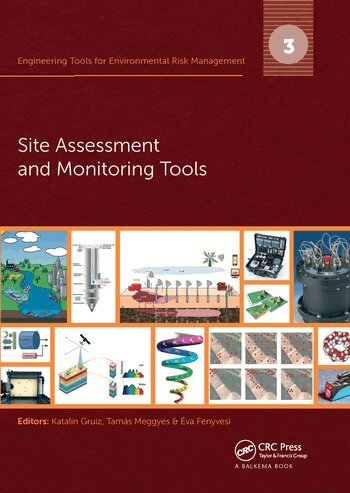
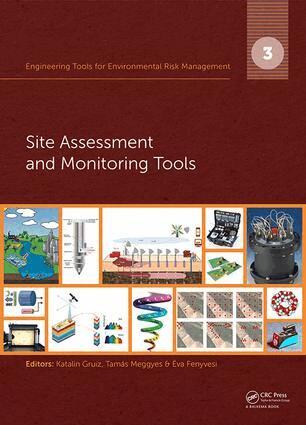
This is the third volume of the five-volume book series “Engineering Tools for Environmental Risk Managementâ€. The book series deals with the following topics:
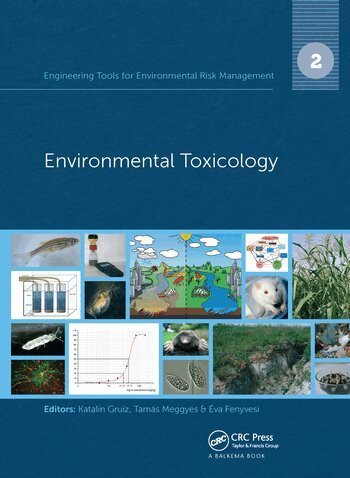
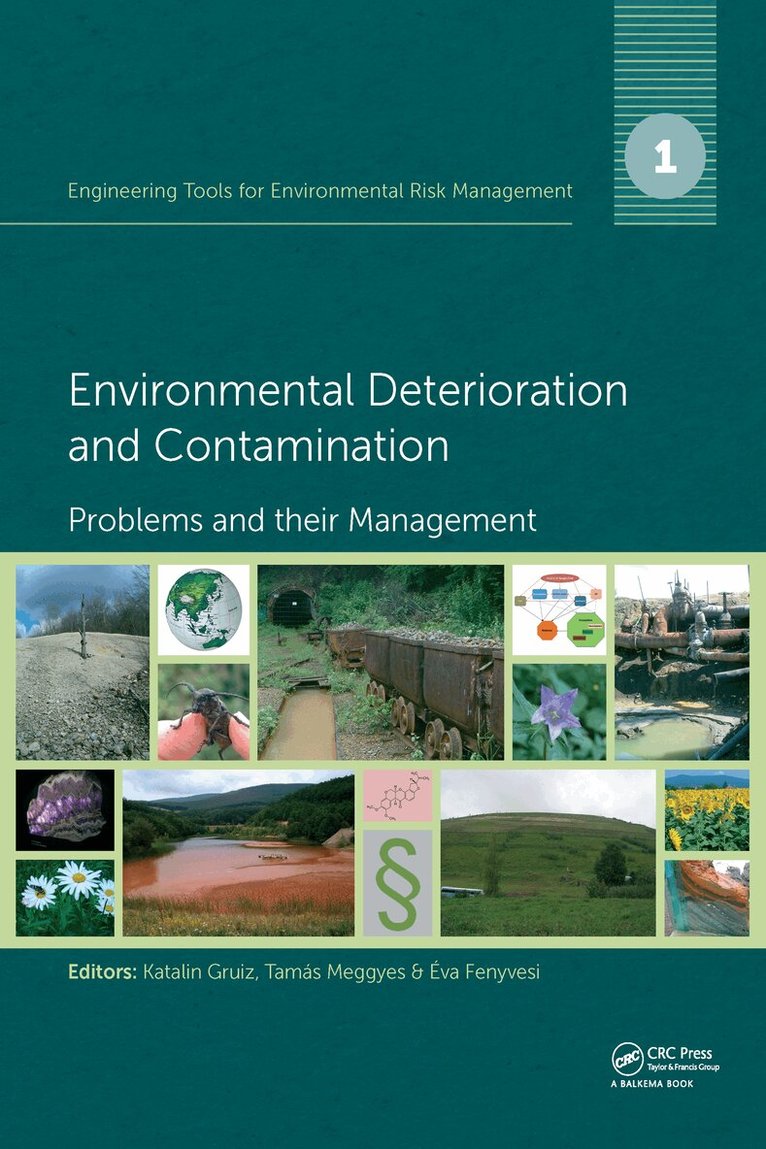
• Environmental deterioration and pollution, management of environmental problems• Environmental toxicology – a tool for managing chemical substances and contaminated environment• Assessment and monitoring tools, risk assessment• Risk reduction measures and technologies• Case studies for demonstration of the application of engineering tools
The authors aim to describe interactions and options in risk management by providing a broad scientific overview of the environment, its human uses and the associated local, regional and global environmental problems; interpreting the holistic approach used in solving environmental protection issues; striking a balance between nature’s needs and engineering capabilities; understanding interactions between regulation, management and engineering; obtaining information about novel technologies and innovative engineering tools. This third volume provides an overview on the basic principles, concepts, practices and tools of environmental monitoring and contaminated site assessment. The volume focuses on those engineering tools that enable integrated site assessment and decision making and ensure an efficient control of the environment. Some topics supporting sustainable land use and efficient environmental management are listed below:
• Efficient management and regulation of contaminated land and the environment;• Early warning and environmental monitoring;• Assessment of contaminated land: the best practices;• Environmental sampling;• Risk characterization and contaminated matrix assessment;• Integrated application of physical, chemical, biological, ecological and (eco) toxicological characterization methods;• Direct toxicity assessment (DTA) and decision making;• Online analyzers, electrodes and biosensors for assessment and monitoring of waters.;• In situ and real-time measurement tools for soil and contaminated sites;• Rapid on-site methods and contaminant and toxicity assessment kits;• Engineering tools from omics technologies, microsensors to heavy machinery;• Dynamic characterization of subsurface soil and groundwater using membrane interface probes, optical and X-ray fl uorescence and ELCAD wastewater characterization;• Geochemical modeling: methods and applications;• Environmental assessment using cyclodextrins.
This book series focuses on the state of knowledge about the environment and its conscious and structured application in environmental engineering, management and decision making.
874 kr
Läs direkt efter köp
2 976 kr
Läs direkt efter köp