Katarzyna Stadnik - Böcker
Visar alla böcker från författaren Katarzyna Stadnik. Handla med fri frakt och snabb leverans.
3 produkter
3 produkter
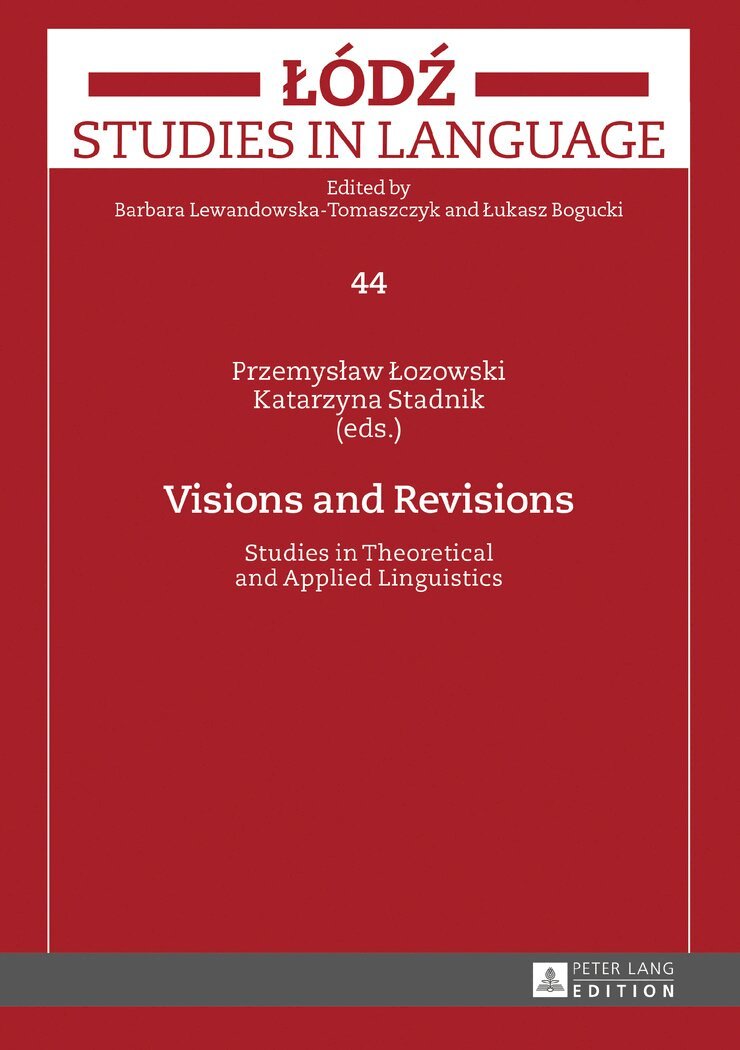
Del 44 - Lodz Studies in Language
Visions and Revisions
Studies in Theoretical and Applied Linguistics
Inbunden, Engelska, 2016
881 kr
Skickas inom 5-8 vardagar
The papers reflect on «visions» and «revisions» of selected theoretical and applied linguistic issues. Methodologically, they all reflect and contribute to the polarization between form- and substance-oriented approaches that are typically identified with, respectively, structural and functional paradigms. The diversity of standpoints exemplified and the divergence of operational tools employed make the volume a representative spectrum of the on-going developments in how language is conceptualized and analyzed as both an abstract entity and as a medium of communication, language teaching and learning included. For this reason, the readers will find as much of structural considerations as of functional reflections and practical applications.
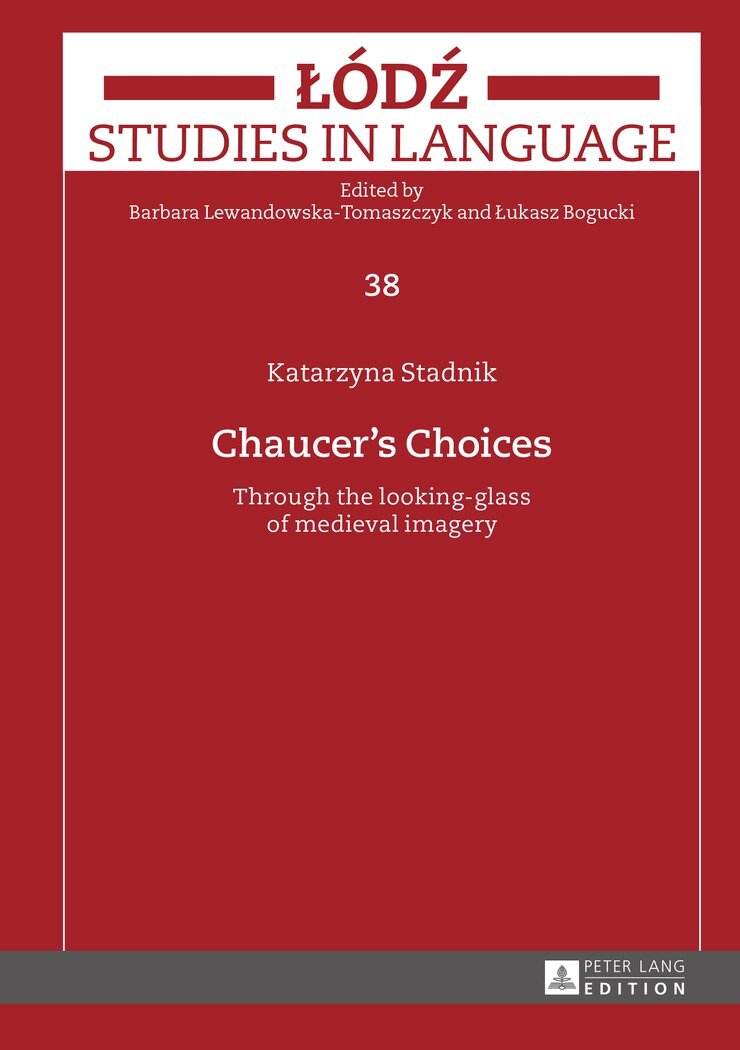
Del 38 - Łódź Studies in Language
Chaucer’s Choices
Through the looking-glass of medieval imagery
Inbunden, Engelska, 2015
764 kr
Skickas inom 5-8 vardagar
The monograph discusses the relation between language and visual culture, focusing on two Chaucerian narratives, «Knight’s Tale» and «Troilus and Criseyde». The study highlights the significance of the continuity of imagery in language and material culture for cultural transmission, providing insights into the relation between Chaucer’s linguistic usage and the late medieval symbolic tradition. Undertaken within the Cognitive Linguistic framework, the research indicates the usefulness of adopting a panchronic perspective on the development of language and culture.
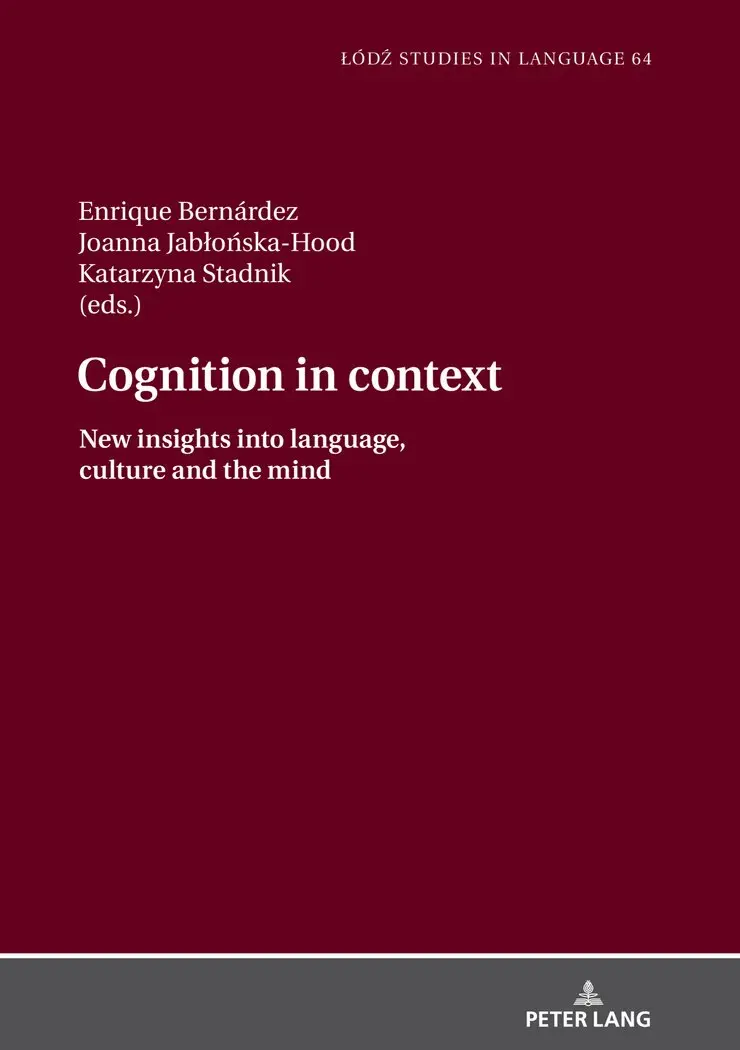
Del 64 - Lodz Studies in Language
Cognition in context
New insights into language, culture and the mind
Inbunden, Engelska, 2019
638 kr
Skickas inom 5-8 vardagar
As cognitive scientists continue to probe into the nature of the human mind, it is increasingly clear that research into cognition cannot be dissociated from the context in which our mental activity occurs. The papers collected in this book testify to the growing interest in adopting a broad characterisation of what counts as relevant context. The vices of seeking essences behind complex phenomena should not go unnoticed, the primary, and possibly the most crucial, downside of this approach being a reductionist treatment of the human mind. With this book, the authors want to show that humans are not merely brains, minds, speakers, learners, readers, etc., but, first and foremost, complex beings who communicate within and beyond the contexts of their own cultures.